After planning and coordinating hundreds of weddings, I’m going to share something most generic wedding blogs won’t tell you: half of the “must-have” photos on Pinterest are a complete waste of your wedding day timeline.
Every year, I see couples spend 45 minutes of their precious morning setup time meticulously styling “flat lays”—arranging invitations, perfume bottles, ring boxes, and ribbon on a velvet mat. But here’s my hot take as a wedding planner: no one ever looks at flat lay photos of their paper program after the wedding day.
Unless your stationery costs ten thousand dollars or you’re submitting your wedding for publication in a print magazine, those styled detail shots eat up precious time you should spend relaxing with your friends, taking relaxed portraits, or staying on schedule.
A great wedding photo shot list shouldn’t be a 200-item generic checklist. It should capture the genuine emotion, the people you love, and the logistical details that actually preserve your memories.
Here is my honest, real-world planner’s guide to the photos that matter, along with the exact system I use to keep family formals from running over.
This post contains affiliate links. I earn a commission on purchases made through these links at no additional cost to you.
1. The “Planner’s Secret” Shots (10 Photos Most People Forget)
Before we get into the standard ceremony and reception shots, let’s talk about the moments most couples regret missing. These are the logistical and emotional gems only experienced planners think to request:
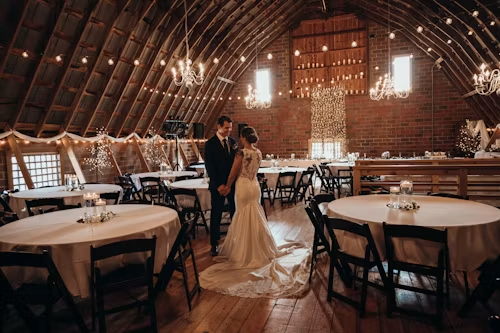
- 1. The Private Room Reveal: This is hands-down my favorite moment of the day. Have your planner sneak you into the fully decorated reception room for 5 minutes before guests enter. Capturing your genuine reaction to seeing your vision brought to life is pure magic.
- 2. The Bustle Instruction Video/Shot: Planner’s Warning: The Maid of Honor should always learn how to bustle the dress at the final fitting before the wedding day. Relying on YouTube videos or trying to figure out 12 hidden color-coded ties on the wedding day is the #1 reason timelines fall behind—making dinner run late more than half the time! Have your photographer capture a quick shot of the MOH practicing or successfully locking the bustle.
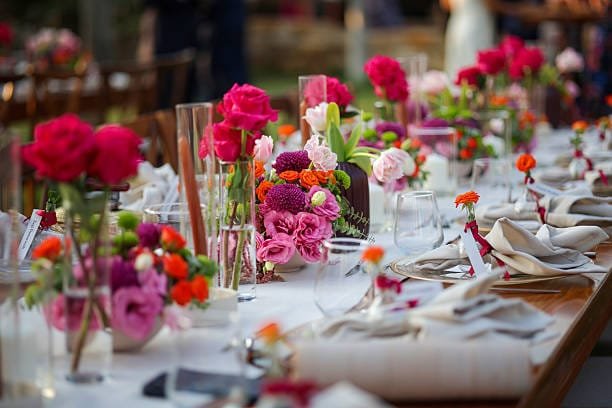
- 3. The “Unbroken” Room & Details: Wide shots of the room, tablescapes, and floral arrangements before a single guest puts down a purse or jacket.
- 4. Vendor & Crew Group Photo: A late-night, high-energy photo with your planner, DJ/band leader, photographer, and coordinator!
- 5. Grandparent Hand-Hold: Unscripted, candid shots of grandparents watching the ceremony or holding hands during dinner.
- 6. The Last Hug Before Walking Down the Aisle: The quiet, nervous moment right before the processional begins with whoever is walking you down the aisle.
- 7. Bustling & Shoes In Action: Candid, funny photos of your attendants crouched under your dress getting you ready for the dance floor.
- 8. The Unplugged Audience: A wide shot facing your guests during vows showing everyone present in the moment (instead of staring through glowing phone screens).
- 9. Late-Night Snack Arrival: Capturing the crowd’s reaction when the late-night pizza, sliders, or taco trucks drop.
- 10. The Private Last Dance: After clearing the room for your grand exit, take 3 minutes alone on an empty dance floor for one final slow dance together. This may be your favorite moment of the day.
2. Getting Ready & Real Moments (8 Shots)
Skip the 30-minute flat lay styling session and focus on authentic getting-ready energy.
The most consistent getting-ready photography mistake I see is spending too much time on staging and not enough time on capturing what is actually happening in the room. The bridesmaids helping with the dress, the mother’s expression when she first sees her daughter ready, the quiet moment someone holds hands before leaving for the ceremony — these are the photographs couples cry over when they open their album. They happen in seconds, and they cannot be recreated. Tell your photographer to prioritize those moments over any styled setup.
- 11. Attire on Hangers: The dress, suit, or tuxedo hanging in clean, natural light.
- 12. The Rings (Simple & Clean): Both wedding bands and the engagement ring resting together (no complex props needed).
- 13. Zipping, Buttoning, and Adjusting: Zipping the dress, buttoning suit jackets, or adjusting cuff links.
- 14. Putting On Shoes & Jewelry: Capturing final touches with a parent or honor attendant helping.
- 15. Hair & Makeup Candids: Natural laughing and chatting moments—not fake “touch-up” poses.
- 16. Emotional First Look with Parents/Guardians: Genuine reactions when close family sees you fully dressed.
- 17. First Look with Honor Attendants: Gathering your wedding party for a big reveal.
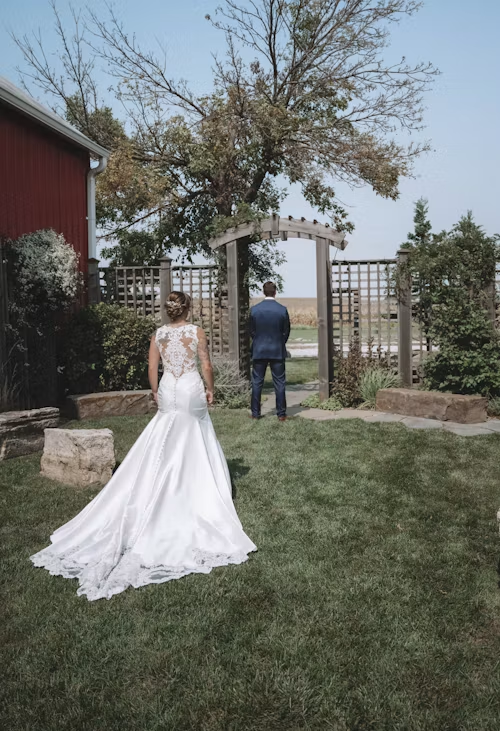
- 18. Couple’s First Look (If Doing One): The quiet, emotional moment you see each other before the ceremony.
For brides finalizing their attire for the getting-ready photographs and beyond, AW Bridal offers a wide selection of gowns and bridesmaid styles that photograph beautifully in natural light.
3. The Family Formal System: The “Inside-Out” Method (12 Shots)
Family photos are where wedding timelines go to die without a plan.
Start with the largest group and work inward; dismiss each group to cocktail hour immediately after their shots are done.
Planner’s Note: If divorced parents are involved, do parents-with-couple shots separately rather than together. If there are stepparents, add one shot for each stepparent with the couple. Build this list before the wedding day and share it with the photographer in advance; walking through it verbally at the rehearsal takes two minutes and saves ten on the wedding day.
The inside-out approach means extended family is done first and free to get a drink within fifteen minutes. What I have seen happen when photographers start with parents and work outward is that extended family waits an hour, gets impatient, and starts disappearing just as they are needed. Start big, dismiss quickly.
For coordinating photo frame sets to display your wedding portraits after the day, Amazon carries matching options in every finish and size.
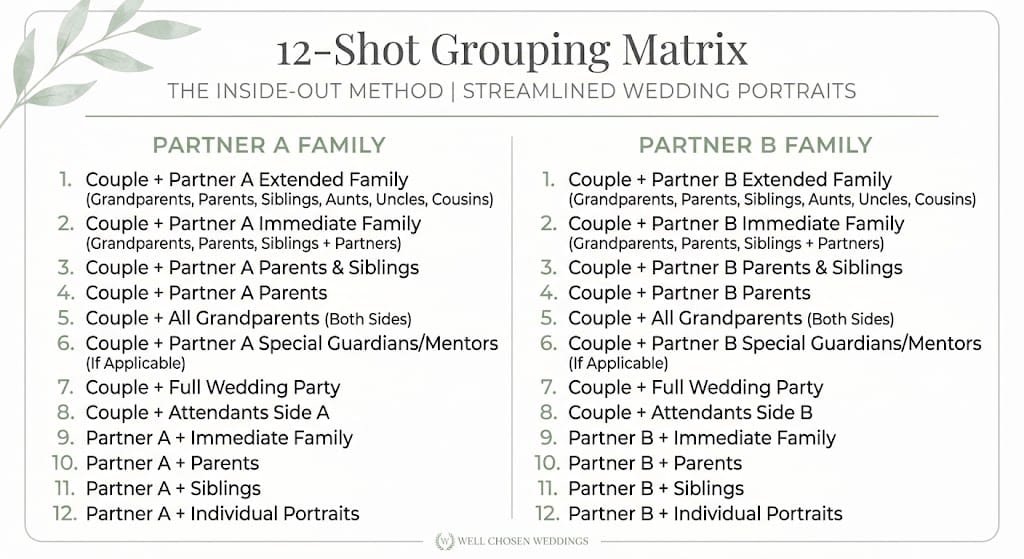
Use this exact 12-shot grouping matrix to keep family formals under 25 minutes:
Partner A Family
- Couple + Partner A Extended Family (grandparents, parents, siblings, aunts, uncles, cousins)
- Couple + Partner A Immediate Family (grandparents, parents, siblings and their partners)
- Couple + Partner A Parents and Siblings
- Couple + Partner A Parents
- Couple + All Grandparents (both sides)
- Couple + Partner A Special Guardians or Mentors (if applicable)
- Couple + Full Wedding Party
- Couple + Attendants Side A
- Partner A + Immediate Family
- Partner A + Parents
- Partner A + Siblings
- Partner A + Individual Portraits
Partner B Family
- Couple + Partner B Extended Family (grandparents, parents, siblings, aunts, uncles, cousins)
- Couple + Partner B Immediate Family (grandparents, parents, siblings and their partners)
- Couple + Partner B Parents and Siblings
- Couple + Partner B Parents
- Couple + All Grandparents (both sides)
- Couple + Partner B Special Guardians or Mentors (if applicable)
- Couple + Full Wedding Party
- Couple + Attendants Side B
- Partner B + Immediate Family
- Partner B + Parents
- Partner B + Siblings
- Partner B + Individual Portraits
Start with the largest group and work inward. Dismiss each group to cocktail hour as soon as their shots are complete. If divorced parents are involved, shoot each parent with the couple separately rather than together. For blended families, add one shot per stepparent alongside the couple. Share this list with your photographer at least two weeks before the wedding.
4. Couple Portraits & Golden Hour (5 Shots)
You don’t need 50 different awkward poses. You only need these 5 classic core portraits.
The couples who are happiest with their portrait session almost always block adequate time and spend it talking to each other rather than following poses. Tell your photographer you want movement and conversation rather than still poses. Walk with your partner and talk about the ceremony you just experienced. Photos from genuine conversation between two people who just got married are infinitely more interesting than any structured pose.
- 31. The Classic Full-Length: Both of you standing together, looking at the camera, showing off the full outfits.
- 32. The Intimate Close-Up: Romantic embrace looking at each other, laughing, or kissing.
- 33. Outfit Movement & Twirl: Capturing dress trains floating, veil motion, or walking together naturally.
- 34. The Hand-in-Hand Walk: Casual, unscripted walking while chatting and laughing.
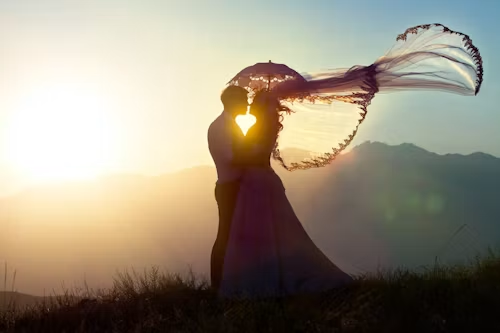
- 35. Golden Hour Backlit Portrait: 15–20 minutes before sunset for soft, glowing lighting.
For display easels to show your framed portraits at the wedding or at home, Amazon has a wide selection:
5. Ceremony & Reception Essentials (10 Shots)
For ceremony and reception photography, the single most important thing you can do is give your photographer a copy of your day-of timeline before the wedding. A photographer who knows exactly when the first dance is, when the toasts happen, and when the cake is being cut is never caught in the wrong room at the wrong moment. For a professionally designed day-of timeline that includes built-in photography buffers, the Wedding Day Timeline Template covers every moment from getting ready through the grand exit.
- 36. Processional Entrance: Walking down the aisle with parents, guardians, or solo.
- 37. The Aisle Reaction: The look on your partner’s face as you approach the altar.
- 38. The Vows & Ring Exchange: Wide ceremony view plus intimate facial expressions.
- 39. The First Kiss: The big announcement moment.
- 40. Triumphant Recessional: Joyful walk back up the aisle as newlyweds.
- 41. Grand Entrance: High-energy entrance into the reception space.
- 42. First Dance & Parent Dances: Emotional dances with each other and family members.
- 43. Toasts & Reactions: The speakers at the microphone paired with split-screen candid reactions from you at the head table.
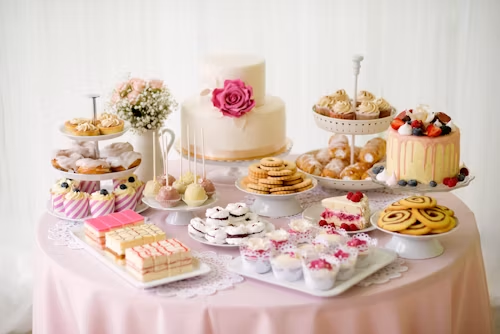
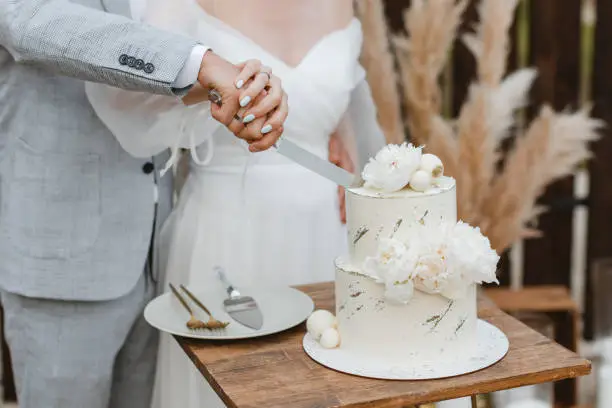
- 44. Cake Cutting / Dessert Bar: Slicing the cake or opening up the dessert display.
- 45. Packed Dance Floor Candids: Pure party energy, singing, and dancing with your favorite people.
A wedding website is also a practical way to communicate photography logistics with guests before the day — letting them know about the unplugged ceremony request in advance, for example, so you are not dealing with phones during the processional. WedSites offers a free platform that handles all guest communication alongside RSVPs and event details.
For help with writing your own vows, read the guide to writing wedding vows and speeches.
Is Your Photo Schedule Dragging Down Your Timeline?
As a wedding planner, I see photo delays ripple into every single vendor on site, causing caterers to serve cold food, musicians to play shorter sets, and couples to feel rushed through their own party.
If you want to ensure your photography timing runs like clockwork, use these two custom digital planning tools:
- The Ultimate Printable Wedding Day Timeline Template. Built specifically with photography buffers in mind! Includes exact time slots for getting ready, family formals, the private room reveal, and golden hour portraits. Get the Wedding Day Timeline Template Here
- The Complete Wedding Budget Breakdown & Tracking Spreadsheet. Keep your photography fees, second-shooter costs, album upgrades, and vendor tipping guidelines perfectly organized. Download the Complete Wedding Budget Worksheet
Frequently Asked Questions About the Wedding Shot Photo List
No! Give them a streamlined list for family formals and special surprise moments (like a room reveal or surprise dance). Trying to dictate every single candid shot restricts your photographer’s creativity and prevents them from capturing real, organic moments.
Tell family members receiving photos exactly where and when to meet at least 24 hours prior. Have your officiant make a quick announcement right after the ceremony asking family formal members to stay near the altar while other guests head to cocktail hour.
Allow 2 to 3 minutes per photo grouping. If you use my 12-group “Inside-Out Method” above, your family formals will wrap up cleanly in 25 to 30 minutes!
Most wedding photographers deliver between 400 and 800 edited images for a full wedding day of eight to ten hours. The exact number varies by photographer style — documentary photographers who shoot continuously tend to deliver more images than those who shoot more selectively. What matters more than quantity is that the delivered images include coverage of every moment on your shot list. Discuss expected delivery numbers during the photographer selection process rather than after the contract is signed.
A second photographer is worth the additional cost for weddings where the couple and wedding party are getting ready in separate locations, for weddings with more than 100 guests, or for venues where the ceremony and cocktail hour happen simultaneously in different spaces. A single photographer cannot be in two places at once. The parallel getting-ready shots — the groom’s preparation while the bride is having her hair finished — are almost impossible to capture without a second shooter.
At least two weeks before the wedding, and ideally at a final planning meeting or call with your photographer four to six weeks out. Do not wait until the rehearsal to share your family formal list. Your photographer needs time to review the groupings, flag any questions about divorced or blended family dynamics, and incorporate the shots into their day-of workflow. Handing a shot list to a photographer on the wedding morning guarantees a rushed and incomplete result.
The two most flattering natural light conditions for outdoor wedding portraits are the hour after sunrise and the hour before sunset — what photographers call golden hour. Midday sun on a clear summer day is the most challenging lighting condition available for portraiture because it creates harsh shadows under eyes and on faces. If your ceremony is at 2 pm and outdoor portraits are immediately after, expect your photographer to work harder to manage the light. If you have flexibility in your timeline, building in golden hour portraits — even just fifteen minutes — consistently produces the most beautiful couple images of the day.
First, understand that a great documentary photographer will capture many important moments whether or not they are on the list. The shot list primarily governs family formals and specific requested moments — your spontaneous first dance, your grandmother wiping her eyes during the vows, the groomsmen helping each other with bow ties — all of these happen whether or not they appear on a list. For any specific person or moment you absolutely must have captured, include it on the list. For everything else, trust your photographer.
Final Thoughts
At the end of the day, your wedding photos should reflect the genuine joy and connection of your celebration, not feel like an endless chore. Cut out the fluff, focus on your favorite people, make sure your MOH practices that bustle before the big day, and enjoy every single second.
About the Author
Chris Ramsay is a wedding planner with over 35 years of experience in hospitality, country clubs, and event planning. She shares practical wedding advice, budget-friendly ideas, and real-world tips to help couples plan stress-free weddings at Well Chosen Weddings. Learn more about her on her about page.
Make Wedding Planning Easier
Planning a DIY wedding means keeping track of more than decorations. You also have a budget to manage and a wedding day to organize. I created these shortcuts to help you with your wedding planning.
Wedding Budget Tracker
Keep your wedding expenses organized and see exactly where your money is going.
Wedding Day Timeline
Keep your wedding day organized so you know what needs to happen and when.