
In my 35 years of planning weddings, one question arises more frequently than almost any other: Do I really need a day-of wedding coordinator? Or the follow-up: What do they actually DO all day?
If you are following my 12 Wedding Planning Steps or working through How to Plan a Wedding Without a Wedding Planner: A Complete Step-by-Step Guide, you might assume a coordinator stands at the back of the aisle with a clipboard and sends the bridesmaids down the runway. But real-world wedding coordination is so much more than that.
A wedding coordinator is your insurance policy, your logistics engine, and your ultimate advocate. They handle every single behind-the-scenes detail so you, your partner, and your family can actually enjoy the day. Here is a real-world look at what a coordinator handles on your wedding day—with actual examples of how they save the day.
This post contains affiliate links. I earn a commission on purchases made through these links at no additional cost to you.
1. Early Morning Setup and Vendor Arrival Execution
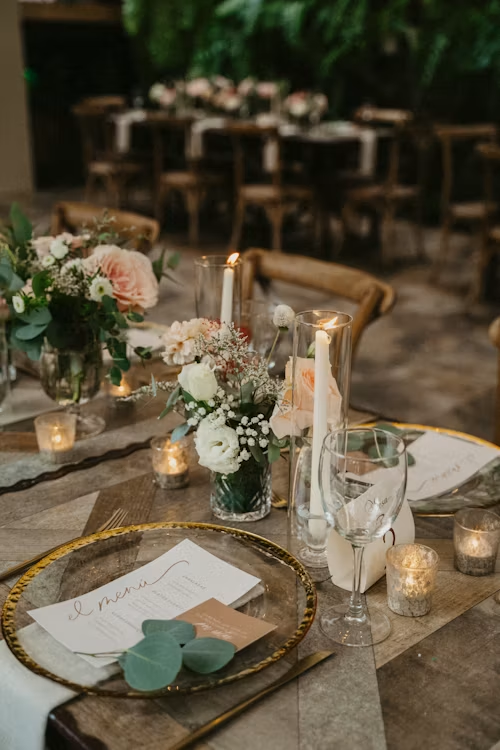
Long before you step into your gown or suit, your wedding coordinator is already on-site at the venue. While you are sipping mimosas and getting hair and makeup done, your coordinator is busy turning your vision into reality.
One reason you may need a wedding coordinator is if you are trying to plan a wedding in 3 months. This post will help.
Real Examples of What They Do:
- Managing Vendor Arrivals: They act as the single point of contact so vendors don’t call you with directions or questions. If the florist arrives an hour early or the DJ needs extra power outlets, the coordinator handles it.
- Executing Personal Décor: Your florist sets up flowers, but who places your custom sign from my Unique Wedding Sign Ideas (That Aren’t Chalkboards!) list? Your coordinator. They place guest books, photo frames, place cards, and wedding favors.
- Table & Seating Audit: They cross-reference table setups against your seating chart to ensure you avoid common issues highlighted in 14 Wedding Seating Chart Mistakes Couples Make (And How to Avoid Them).
2. Wrangling the Wedding Party and Managing the Timeline
Keeping a wedding running on time is like herding cats—especially when alcohol, excitement, and large groups of friends are involved.

Real Examples of What They Do:
- Keeping Photos on Schedule: Photographers are great at taking photos, but they often don’t keep track of the time. The coordinator works alongside them to make sure family portraits don’t eat into your cocktail hour.
- Pinning Boutonnieres & Fixing Attire: From buttoning complex gown trains to pinning boutonnieres on groomsmen who don’t know which side they go on, your coordinator is a hands-on wardrobe stylist.
- Lining Up the Ceremony: When it’s time for the processional, they queue the musicians, space out the wedding party, fix your train right before you walk, and signal the doors to open.
For brides finalizing attire for themselves and their wedding party, AW Bridal offers a wide selection of gowns and bridesmaid styles at accessible price points.
3. Putting Out Behind-the-Scenes Fires (That You Never Know About)
The mark of a truly great wedding coordinator is that you never know something went wrong until long after the wedding is over.
Real Examples of What They Do:
- The Bustle Breakdown: A dress bustle breaks during the first dance? Your coordinator steps in with safety pins and fishing line from their toolkit to secure it in seconds.
- Missing Vendors or Items: Is the cake delivery stuck in traffic? They adjust the timeline seamlessly so guests don’t notice a delay.
- Weather Contingencies: If an unexpected rain shower hits an outdoor setup, they execute the rain plan in minutes, coordinating with staff to move chairs and decor indoors.
If you want to be prepared for minor hiccups yourself, check out my guide on the Wedding Day Emergency Kit: 25 Must-Have Essentials.
In my own experience as a coordinator, the fire I am most proud of putting out happened during a garden reception when the florist had assembled the ceremony arch incorrectly, and it began to list sideways forty minutes before guests arrived. With a hardware store trip, some cable ties, and a creative re-draping of the floral elements, we had it looking better than the original design by the time the processional started. The couple never knew it happened.
4. Seamless Reception Transitions and Guest Management
Once the ceremony is over, the coordinator shifts into high gear to manage the flow of the reception. A great reception relies on timing, as outlined in The Ultimate Wedding Day Timeline Template: A Professional Planner’s Guide.
Real Examples of What They Do:
- Cuing Speeches and Dances: They cue the DJ/MC, notify the speakers five minutes before they go on, and make sure parents are in the room before the parent dances start.
- Managing Catering Service: Whether you opted for a Buffet vs. a plated dinner for a Small Wedding, they coordinate with the kitchen so food is served hot and on schedule.
- Tending to the Couple: They make sure you actually get a plate of food, keep your favorite drink filled, and give you ten minutes of private time right after the ceremony.
For couples who prefer experience gifts or cash contributions over physical registry items, MyRegistry.com lets you set up a honeymoon fund or house fund alongside traditional registry items in one shareable list.
5. End-of-Night Teardown and Packing Up
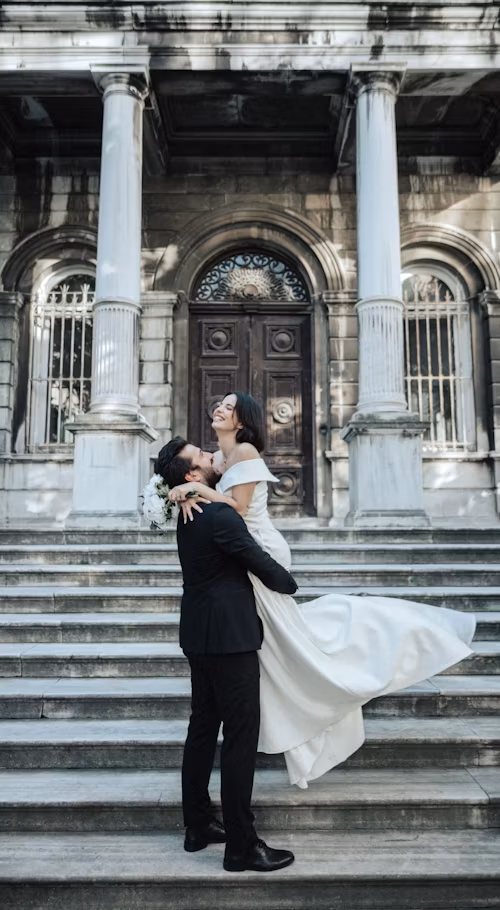
When the lights come up and the grand exit is over, your family shouldn’t have to spend two hours cleaning up in formal wear.
Real Examples of What They Do:
- Coordinating the Grand Exit: Whether you are using ideas from my list of 15 Unique Wedding Exit Ideas for 2026 That go Beyond Sparklers or a classic send-off, they distribute props and organize guests.
- Securing Cards & Gifts: They collect all card box gifts and personal valuables, packing them safely into a designated family member’s car.
- Pack-up & Final Breakdown: They pack up your personal decor, ensure rental items are consolidated for pickup, and hand off final vendor tips.
Frequently Asked Questions About Wedding Coordinators
A venue coordinator works for the venue and their primary job is to protect the space, manage venue staff, and handle venue-specific logistics (like power and restrooms). A personal wedding coordinator works directly for you—managing all external vendors, keeping your personal timeline on track, and handling your personal decor and wedding party.
Yes. Even if you are reviewing Micro Wedding Cost for 25 Guests: Real Budget Breakdown and Tips or planning an intimate gathering, someone still needs to cue music, greet vendors, and manage the flow of the day, so you aren’t doing it yourself on your wedding day.
Despite the name “day-of,” a professional coordinator usually steps in 30 to 60 days before the wedding. They review your vendor contracts, create the master timeline, conduct a venue walkthrough, and run your ceremony rehearsal, which you can read about in my Wedding Rehearsal Guide: Timeline, Checklist, and Step-by-Step Ceremony Practice.
Day-of coordinators typically charge between $800 and $2,500, depending on your location, the size of your wedding, and the scope of services included. Packages that begin 30 to 60 days before the wedding and include the rehearsal, full wedding day coverage, and vendor communication tend to fall in the $1,200 to $2,000 range in most US markets. For couples who have managed their own planning but want professional support on the day itself, this is one of the highest-return investments in the entire wedding budget.
The most important qualities in a day-of coordinator are experience managing vendor relationships, the ability to remain calm under pressure, and clear communication with your specific vision. Ask any prospective coordinator how many weddings they have personally coordinated from setup through teardown, whether they will be physically present for the entire day or send a team member, and whether they carry liability insurance. Request references from recent clients and ask specifically whether anything went wrong and how the coordinator handled it.
Final Thoughts
A wedding coordinator isn’t just an added expense—they are the key to actually enjoying the wedding you spent months planning. By handling logistics, wrangling timelines, and putting out unseen fires, they give you and your family the freedom to be present in every single moment.
If you are currently mapping out your wedding details, check out The Ultimate Wedding Planning Guide: Step-by-Step for Stress-Free Planning or explore expert answers in my Wedding Planning FAQs: Expert Answers to Your Most Common Questions.
If you would like to add more personal details to your wedding, this blog will give you 12 ways to make your wedding feel like you.
For a free wedding day planning checklist and more expert coordination tips, sign up below.
Chris Ramsay is a wedding planner with over 35 years of experience in hospitality, country clubs, and event planning. She shares practical wedding advice, budget-friendly ideas, and real-world tips to help couples plan stress-free weddings at Well Chosen Weddings. Learn more about her on her about page.
I created this Wedding Budget Worksheet to help couples create a wedding budget and stick to it. Track all of your expenses in the easy-to-use and easy-to-edit spreadsheet.