After 35 years of planning weddings, I have watched the traditional wedding party undergo a massive transformation. Decades ago, the rules were rigid: line up your groomsmen by height, pick an even number of bridesmaids, and find a flower girl who can make it down the aisle without crying.
Today’s couples want something different. They have blended families, lifelong mentors, adult siblings of opposite genders, and tight-knit friend groups that do not fit into clean-cut, traditional boxes.
When couples try to include everyone, they often resort to “token” tasks, like asking a beloved friend to hand out programs at the door. Let’s be honest: nobody wants to feel like hired help on your wedding day.
If you want to honor the key people in your life, you need roles with actual purpose. Here are eight non-traditional, highly meaningful wedding roles I have implemented with my couples that feel intentional, elevated, and cringe-free.
This post contains affiliate links. I earn a commission on purchases made through these links at no additional cost to you.
8 Purposeful Roles for Modern Weddings
1. The Ceremony Captain
- Who it is for: The friend or family member who is naturally organized, authoritative, and calm under pressure.
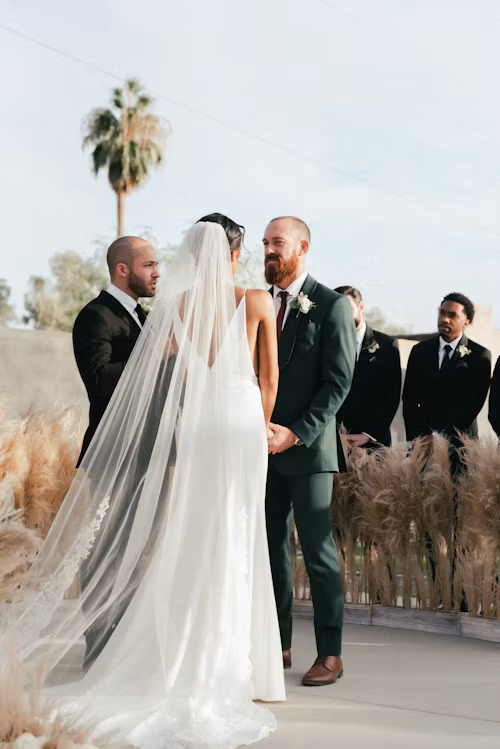
- The Role: Moving 100+ guests from a casual cocktail space into a ceremony area on time is one of the hardest logistical hurdles of any wedding. The Ceremony Captain works alongside your coordinator to usher guests, seat VIP family members, and ensure the energy shifts seamlessly when it’s time to begin.
- Why it works: It is a genuine operational role that takes real stress off the couple and signals to the guests that you trust their capability.
2. The Cultural or Family Tradition Custodian
- Who it is for: A respected elder, aunt, uncle, or mentor.
- The Role: Many couples want to weave heritage, religious customs, or family heirlooms into their day. The Custodian officially introduces, explains, or performs a specific ritual during the ceremony or reception (e.g., a traditional tea ceremony, a handfasting ritual, or breaking the glass).
- Why it works: It honors their wisdom and connection to your roots, elevating them above a standard guest without forcing them into a formal wedding party dress code.
3. The Hospitality and Concierge Host
- Who it is for: Your most outgoing, charismatic, social-butterfly friend.
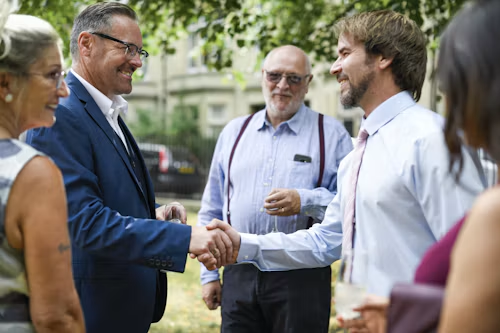
- The Role: Destination weddings or multi-generational gatherings can leave out-of-town guests feeling lost. A Hospitality Host acts as the “connective tissue” of the weekend, welcoming guests at the welcome party, introducing different friend circles, and ensuring solo guests feel included.
- Why it works: It leans into their natural personality traits and transforms social energy into a dedicated act of hospitality.
4. The Content and Memory Keeper
- Who it is for: The tech-savvy sibling or friend who always captures the candid moments nobody else sees.
- The Role: While your professional photographer focuses on high-resolution portraits, your Memory Keeper focuses on capturing raw, behind-the-scenes video snippets on a phone or vintage camera.
- Why it works: It gives a tech-forward friend a clear, creative mission that results in instant memories you can look at the very next morning.
To keep your Memory Keeper’s phone charged throughout the day, Amazon carries compact portable chargers that clip to a bag or fit in a jacket pocket.
For more expert wedding planning guidance and a free planning checklist, sign up below.
5. The Witness of Honor
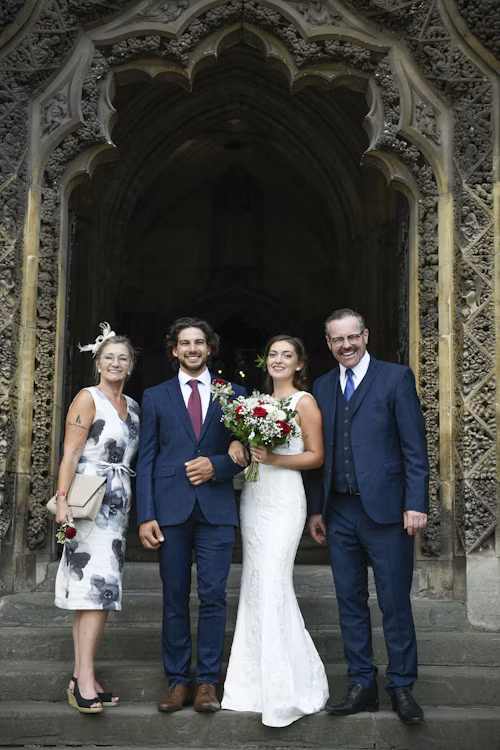
- Who it is for: A deeply influential figure, like a grandparent, lifelong mentor, or childhood friend.
- The Role: In many jurisdictions, signing the legal marriage license requires two official witnesses. Instead of defaulting to the Best Man and Maid of Honor, invite two people who represent your past and your future to sign the legal document during a dedicated quiet moment right after the ceremony.
- Why it works: It carries significant legal and emotional weight without requiring them to stand at the altar for 45 minutes or buy a matching outfit.
6. The Evening Emcee (Host of Celebrations)
- Who it is for: A close friend or family member with effortless stage presence, warmth, and excellent timing.
- The Role: While your DJ or band handles the music cues, your Emcee owns the microphone for transitions. They introduce toasts, guide guests to dinner, and set the emotional tone for the evening.
- Why it works: Hiring a cold corporate emcee can feel transactional. Having someone who actually knows your love story keeps the reception moving with immediate warmth.
7. The Vow and Speech Coach
- Who it is for: A writer, teacher, or articulate friend who excels at communication.
- The Role: Giving a toast or writing personalized vows terrifies most people. This person works privately with speakers in the months leading up to the wedding, helping them edit, practice delivery, and cut out inside jokes that nobody else understands.
- Why it works: It preserves the quality of your reception program while quietly saving your speakers from public-speaking anxiety.
If your vow and speech coach needs extra guidance, read my post on writing wedding vows and speeches.
8. The Pet Attendant and Guardian

- Who it is for: The animal-lover in your life who treats your pets like their own.
- The Role: Including dogs in ceremonies is immensely popular, but it requires constant management. This person brings your pet for pre-ceremony photos, handles them down the aisle, and safely transports them home before the party gets loud.
- Why it works: It allows you to have your furry best friend present without forcing immediate family to manage a leash while in formalwear. Pro tip: Be sure to check with the venue before adding this to your ceremony.
Keeping your dog comfortable and stylish while walking down the aisle will require a few accessories. For dogs participating in the ceremony, Amazon carries formal dog attire including tuxedos and bow ties:
Shop Etsy for a flowered dog collar. For a custom flower collar that coordinates with the wedding florals, Etsy carries a wide selection of handmade options.
9. The Welcome Table Host
- Who it is for: A warm, friendly family member or friend who enjoys meeting new people.
- The Role: The welcome table sets the first impression for every arriving guest. Your Welcome Table Host greets guests by name, hands out programs or welcome materials, answers basic logistical questions, and creates the warm, immediate welcome the couple cannot provide since they are still getting ready.
- Why it works: It removes the cold, unstaffed welcome table experience that leaves arriving guests uncertain and gives someone with genuine warmth a role that plays directly to their strengths.
10. The Children’s Experience Coordinator
- Who it is for: A family member or close friend who is great with kids and genuinely enjoys being around them.
- The Role: Weddings with children present run significantly smoother when one designated adult is responsible for coordinating the children’s experience — managing a kids’ activity area during the reception, ensuring children are fed and seated appropriately, and keeping them engaged during the ceremony. This person is briefed in advance on the children attending, their ages, and any specific needs.
- Why it works: It allows parents of young children to relax and enjoy the wedding, reduces disruptions during the ceremony, and ensures every guest — adult and child alike — has a good experience.
11. The Timeline Guardian
- Who it is for: A detail-oriented, naturally organized family member or friend who can handle brief conversations with vendors.
- The Role: Even with a professional coordinator, having one trusted personal contact who monitors the day-of timeline and acts as a communication bridge between the couple and the coordinator adds a valuable layer of support. The Timeline Guardian reviews the timeline in advance, knows all the key vendor contacts, and is empowered to make minor logistical calls that do not require the couple’s attention.
- Why it works: It gives an organized, responsible person a meaningful role without the emotional weight of being a primary attendant, and it creates a genuine operational backup that protects the couple from day-of logistics.
Managing the Shift: How to Handle Traditional Family Pushback
In my 35+ years, I have seen my fair share of parent-couple negotiations. When you depart from traditional wedding parties, well-meaning family members might worry that you are “snubbing” an important relative or breaking protocol.
Here is how to navigate those conversations smoothly:
- Focus on the Why, Not the: Instead of saying, “We aren’t doing a traditional bridal party,” reframe it: “We want our closest friends to sit back, relax, and celebrate with us as guests, while giving key people specific roles that highlight their unique talents.”
- Separate Honor from Standing at the Altar: Remind skeptical parents that being a Witness of Honor or a Tradition Custodian carries more emotional weight and individual spotlight than standing in a lineup of matching dresses.
- Give Roles Real Estate: Mention these roles in your printed program or on your wedding website. When family members see a title like “Hospitality Host” formally listed, it validates the role and shows intentionality.
To make the non-traditional roles feel more official, give them recognition in your printed program or your customized wedding newspaper. Shop Etsy for wedding newspaper downloads.
Frequently Asked Questions About Non-Traditional Wedding Roles
They certainly can, but they do not have to. Ceremony Captains and Hospitality Hosts are usually active in the venue before the processional. Tradition Custodians and Witnesses of Honor can either walk down in the family processional or be seated in the front row prior to the start.
No, and that is one of the biggest perks for your guests. Instead of requiring expensive matching suits or dresses, give them general color palette guidance (e.g., “cocktail attire in jewel tones”) so they look cohesive in group photos while feeling comfortable in their own style.
Absolutely. A personalized thank-you note explaining why you chose them for that specific role, paired with a thoughtful gift, cements how much you value their contribution.
Absolutely, and this is one of the most natural applications of non-traditional wedding roles. A male best friend of the bride can stand on her side as a bridesman, and a female best friend of the groom can stand on his side as a groomswoman. The wedding industry has fully normalized mixed-gender wedding parties, and the ceremony becomes more reflective of real friendships when it is not constrained by gender-matching convention.
Lead with what the role means, not with what it is not. Rather than framing the conversation as “we are not having a traditional wedding party,” frame it as “we have a specific role that is perfect for you, and we would love for you to take it on.” Then describe the role specifically — what they would actually do, why you thought of them, and how meaningful it is to you. Most people respond with genuine excitement when the role is explained with clarity and personal connection.
Use the names as designed: Ceremony Captain, Hospitality Host, Witness of Honor, and so on. These titles read as intentional and thoughtful rather than invented when printed in a program alongside a brief one-line description of the role. For a professionally designed wedding program or newspaper where you can formally list these roles, Etsy’s personalized options give each role the presentation it deserves.
Yes. Many couples blend both formats. They might have two or three bridesmaids and groomsmen for the processional and photos, while also designating a Hospitality Host, an Evening Emcee, and a Memory Keeper to fill specific functional needs throughout the day. The traditional roles and non-traditional roles complement each other rather than competing.
Final Thoughts
Do not let rigid templates from forty years ago dictate how you honor the people who brought you to this moment.
For couples who have decided to skip the traditional wedding party entirely, the Is the Wedding Party Extinct post covers how to make that decision gracefully, and for couples who want a full picture of traditional roles before deciding what to change, the Bridal Party Roles: The Modern Guide covers every conventional role in detail.
When you align someone’s role with who they truly are, it stops feeling like a consolation prize and starts feeling like the genuine honor it is. Trust your instincts, lean into what makes your relationships special, and build a wedding day that honors everyone involved.
Chris Ramsay is a wedding planner with over 35 years of experience in hospitality, country clubs, and event planning. She shares practical wedding advice, budget-friendly ideas, and real-world tips to help couples plan stress-free weddings at Well Chosen Weddings. Learn more about her on her about page.
Make Wedding Planning Easier
Planning a DIY wedding means keeping track of more than decorations. You also have a budget to manage and a wedding day to organize. I created these shortcuts to help you with your wedding planning.
Wedding Budget Tracker
Keep your wedding expenses organized and see exactly where your money is going.
Wedding Day Timeline
Keep your wedding day organized so you know what needs to happen and when.