The Ultimate Sage and Terracotta Wedding Guide: Earthy Elegance for Modern Couples
Sage green and terracotta have become one of my favorite wedding color combinations. After planning weddings for more than 35 years, I have learned that the best color palettes feel timeless instead of trendy. Sage and terracotta create a warm, natural look that works beautifully in almost any venue.
In the past several years, I have seen sage green appear in more wedding color palettes than any other anchor color, and I do not expect that to change soon. When you pair the cool, tranquil depth of sage with the sun-baked, artisanal warmth of terracotta, you get a “Desert Chic” or “Mediterranean” aesthetic that is breathtaking in any season.
Whether you are dreaming of a relaxed backyard gathering or a minimalist luxury celebration, this guide will show you exactly how to balance these two hues without overwhelming your space.
This post contains affiliate links. I earn a commission on purchases made through these links.
Why the Sage & Terracotta Palette Works
The secret to this color combination is temperature balance.
- Sage green acts as your cool, grounding neutral. It mimics natural foliage, providing a calm, non-distracting backdrop that looks incredibly clean in editorial photography.
- Terracotta brings the heat. It adds rich texture, warmth, and an artisanal, handcrafted feel that prevents the green from looking too cold or clinical.
Together, they create an elegant, timeless experience for your guests that feels personal rather than heavily manufactured.
This post will give you great wedding color combinations for 2028 spring weddings.
This guide covers summer wedding color palettes.
Sage and Terracotta Wedding Inspiration Gallery
Looking for inspiration? Browse these beautiful sage-and-terracotta wedding ideas to help you create an elegant and timeless celebration.
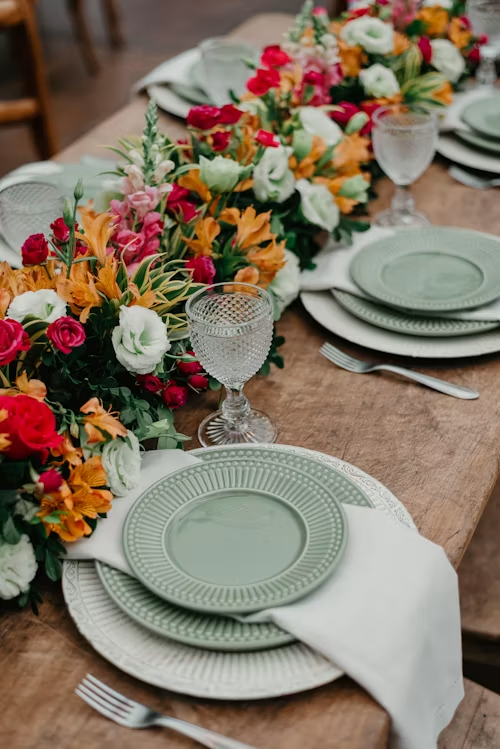
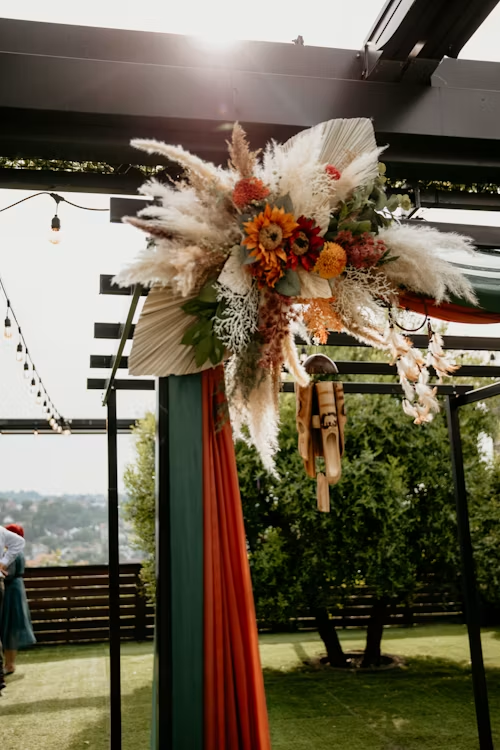
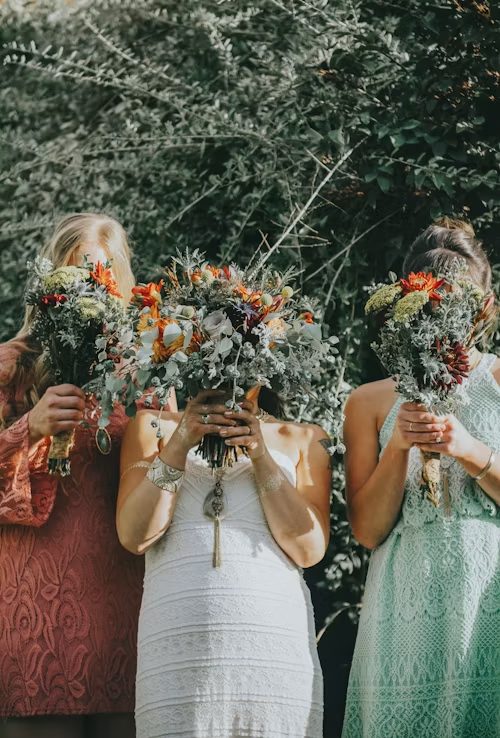
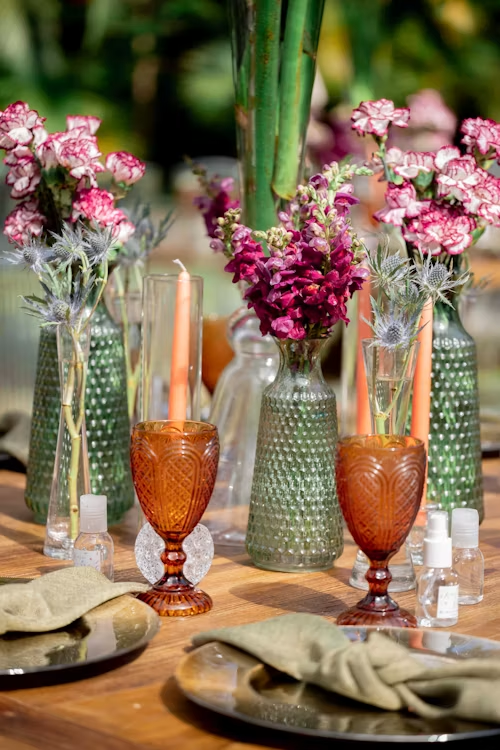
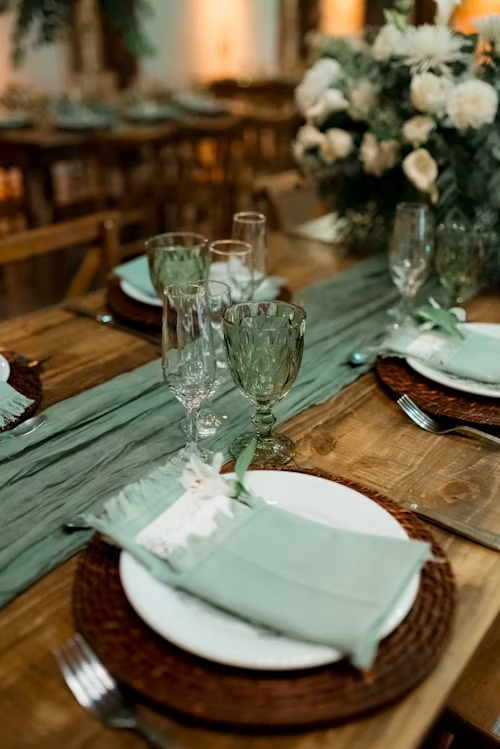
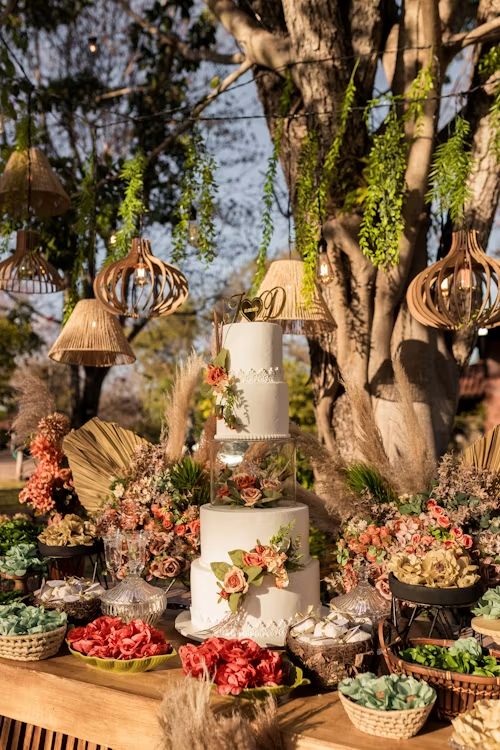
Save your favorite ideas to Pinterest and use them as inspiration while planning your own wedding.
Another great color combination is dusty blue and peach.
This color palette is perfect for
Rustic weddings
The warm, earthy combination of sage green and terracotta feels right at home in a rustic wedding. Pair these colors with reclaimed wood, wildflowers, lanterns, and natural textures for a cozy celebration. This blog also includes plenty of rustic wedding ceremony decor ideas.
Garden Weddings
Soft sage greenery and rich terracotta blooms blend beautifully with colorful gardens and outdoor landscapes. Whether you are getting married in a botanical garden or a private estate, this blog shares beautiful garden wedding inspiration.
Outdoor Weddings
Nature provides the perfect backdrop for this timeless color palette. Sage green complements surrounding trees and grass, while terracotta adds warmth that looks stunning in natural light from spring through fall. For more information on what to watch out for with an outdoor wedding, this post on planning a garden wedding will explain what to look out for.
Barn Weddings
Rustic barns and earthy color palettes are a perfect match. Sage green softens weathered wood while terracotta accents bring warmth and charm to your ceremony, reception, and table decorations. If rustic is your theme, this blog is all about decor for rustic-themed ceremonies.
Vineyard Weddings
The rolling vineyards, lush greenery, and warm sunsets create a beautiful setting for sage green and terracotta. These colors look elegant in floral arrangements, bridesmaid dresses, wedding invitations, and reception decor.
Dessert Weddings
Terracotta naturally reflects the warm tones of the desert landscape, while sage green adds a fresh, calming contrast. Together, they create an elegant palette that feels both modern and organic. This post will give you great ideas on what to include in a dessert wedding and tips for how to display the desserts.
Mediterranean Weddings
Inspired by sun-soaked villas, olive trees, and clay rooftops, sage green and terracotta fit perfectly with a Mediterranean wedding theme. Add olive branches, ceramic details, and natural linens to complete the look.
Backyard Weddings
This versatile color palette can transform any backyard into a beautiful wedding venue. From simple table settings to DIY floral arrangements and ceremony decorations, this blog includes plenty of backyard wedding decor ideas.
Fall Weddings
Terracotta captures the warmth of autumn leaves, while sage green balances the deeper seasonal colors. Together, they create one of the most popular fall wedding color palettes, and this blog is filled with fall wedding inspiration.
Spring Weddings
Sage green brings the fresh feeling of new growth, while terracotta adds soft warmth without overpowering delicate spring flowers. This blog also shares beautiful spring wedding color ideas that work perfectly with this palette.
5 Ways to Style a Sage and Terracotta Wedding
The Stationery Sneak Peek
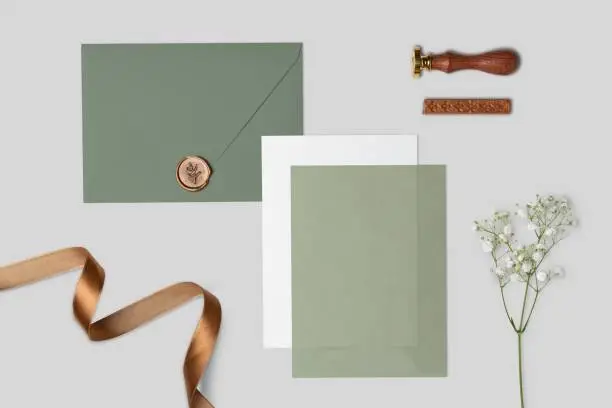
Your invitation is your guests’ first insight into your wedding style. For a sage and terracotta theme, lean into watercolor botanical prints or rustic, heavy-cardstock stationery. A terracotta envelope paired with a muted sage green liner and crisp cream ink instantly sets a sophisticated, organic tone.
Attire and Wedding Party Layering
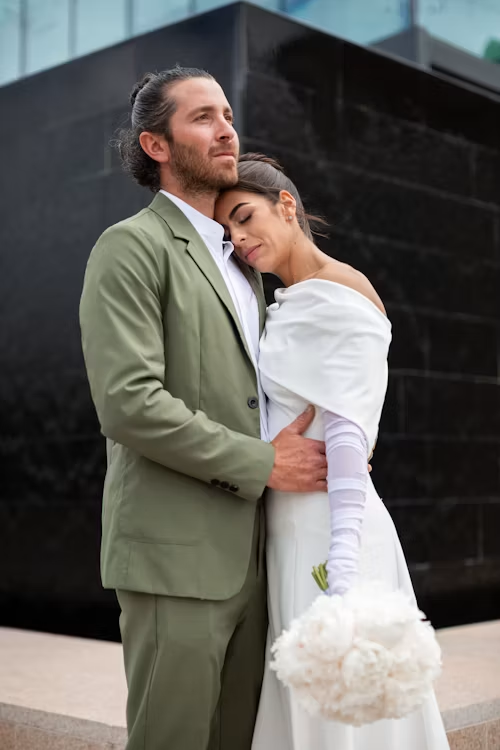
Don’t mix and match both colors within a single outfit; instead, layer them across your wedding party.
- Bridesmaids: Muted sage green slip dresses look incredibly elegant next to a bridal bouquet tied with long, trailing terracotta silk ribbons. Alternatively, rich terracotta or rust dresses beautifully complement lush, greenery-heavy floral arrangements.
- Groomsmen: Skip the harsh black suits. Instead, opt for light grey, tan, or soft charcoal suits accented with sage green ties and clay-toned boutonnieres.
Need dresses to match your wedding theme? These budget-friendly bridesmaid dresses come in gorgeous colors for every season.
Shop Aw Bridal for terracotta and sage wedding attire.
The Less is More Tablescape
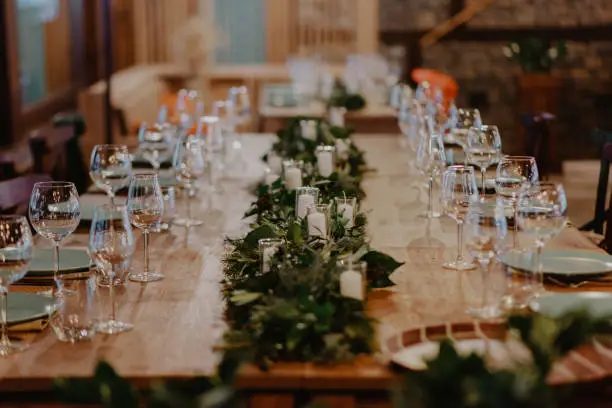
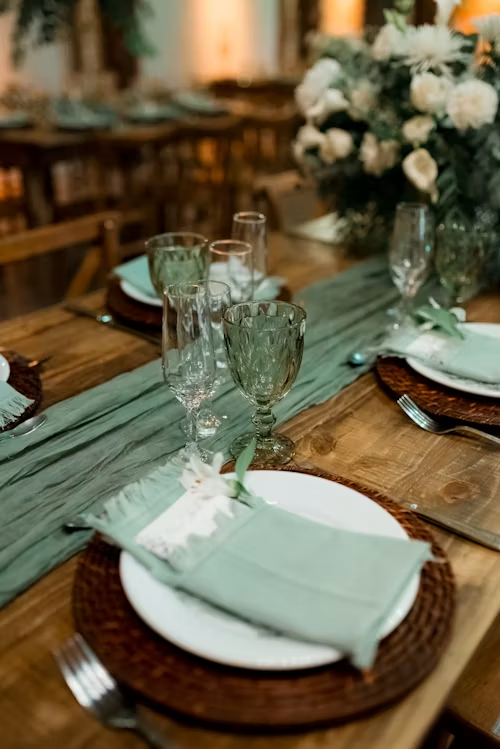
For a modern aesthetic, follow the “minimalist luxury” philosophy: fewer pieces, chosen intentionally. Layer textured sage green gauze or washed linen table runners over bare wooden tables. Populate the center of the table with authentic terracotta pots filled with potted succulents, dried pampas grass, and sage foliage. Complete the look with amber glass candle holders to cast a warm, golden-hour glow across the venue.
For non-floral wedding table centerpieces, read this blog.
Shop Amazon for sage & terracotta wedding decor.
Statement Backdrops
Move away from traditional, tightly packed floral arches. Work with your decorator to design grounded, asymmetrical installations that frame the altar. Use trailing eucalyptus and silver dollar greenery (your sage) mixed with dried palm leaves, pampas grass, and terracotta-hued florals like dahlias or quicksand roses to create movement and depth.
Shop Amazon for statement backdrops.
Immersive Food & Drink Details
Because sage is a culinary herb, it is incredibly easy to weave this theme directly into your menu. Work with your caterer to offer a signature cocktail like a grapefruit-terracotta mezcal paloma or a blackberry-sage gin fizz. For dessert, an understated white stucco or naked cake can be stunningly adorned with fresh sprigs of sage and dried apricot accents.
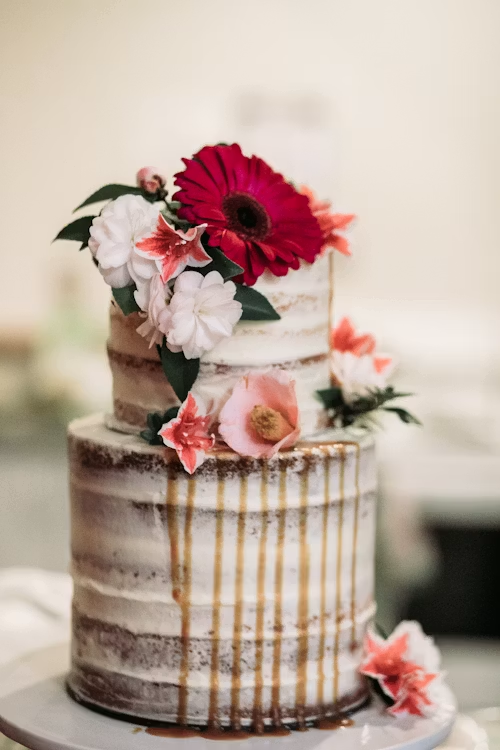
This blog has great ideas on summer wedding drinks.
Sage and Terracotta Signage and Stationery Ideas
Your wedding signage acts as a focal point throughout your venue, guiding your guests from the ceremony to the bar. Instead of standard acrylic or chalkboard signs, lean into the artisanal theme of this palette.
Consider a large, arched wooden welcome sign painted in a matte terracotta hue with crisp white calligraphy. For your seating chart, you can display individual sage green cards pinned to a rustic linen backdrop, or even write table assignments directly onto real terracotta tiles or flower pots arranged on a decorative ladder. It is these small, cohesive planning details that make a wedding feel entirely custom-designed.
Shop Etsy for wedding signs.
Texture Is Your Secret Weapon
Because this palette relies so heavily on natural, organic tones, it can sometimes look flat in wedding photography if you only use solid-colored fabrics. The secret to making a budget-friendly sage and terracotta wedding look incredibly expensive is layering texture.
Instead of standard polyester tablecloths, opt for textured wood tables accented with wrinkled cheesecloth runners. For floral design, ask your florist to mix fresh silver dollar eucalyptus with dried elements like bleached fern leaves or dried palm fans. The contrast between the fresh, velvety green leaves and the crisp, textured dried elements creates a sensory depth that instantly feels high-end.
Shop Etsy for faux wedding flowers.
The Planner’s Rule: Nailing the Right Shades of Sage and Terracotta
One of the biggest mistakes I see DIY couples make with this palette is assuming all “sage” and “terracotta” are created equal. They are not. If you order decor haphazardly online, you might end up with a mismatched blend of neon mint greens and bright, primary orange.
To keep this palette feeling elegant and sophisticated, follow these rules:
- Keep it Matte: Avoid high-shine satins or plastics in these colors. Terracotta and sage belong to the earth; they look best on textures that absorb light, like linen, velvet, cheesecloth, terra-cotta clay, and heavy cardstock.
- The 60-30-10 Rule: To prevent color clash, don’t use them in a 50/50 split. Choose one color to be your dominant foundation (60%), use the second to pull focus in your details (30%), and use a crisp accent like cream or warm gold for the remaining 10% to tie the look together.
Sage and Terracotta Wedding Color Palette
Include colors like
- Sage Green
- Terracotta
- Cream
- Ivory
- Beige
- Taupe
- Gold
- Rust
- Olive
- Dusty Rose
Sage and Terracotta Through Every Season
Sage and terracotta is one of the few wedding color combinations that genuinely works in any month of the year, but the way you apply it should shift with the season. Here is how to adapt the palette so it feels native to the time of year rather than forced.
Spring: Lighter, Fresher, More Floral
In spring, the terracotta takes a step back, and the sage moves forward. Lean toward the softer, more yellow-green end of the sage spectrum rather than the deeper olive tones, and pair it with light apricot and blush accents rather than deep rust. Fresh flowers become the primary texture: ranunculus, garden roses, and sweet peas in soft peach and coral tones sit beautifully next to sage greenery without competing with it.
For table linens, choose washed ivory or pale cream rather than warm beige. The overall impression should feel like a garden in early bloom, light, layered, and slightly romantic, not earthy and grounded. Terracotta appears only in accents: a silk ribbon on the bridal bouquet, a terracotta envelope liner, the edge of a place card.
What to emphasize in spring: Soft sage, apricot, fresh florals, cream, light linen textures.
What to pull back on: Deep rust tones, dried grasses, heavy ceramic elements.
Summer: Bold, Warm, Saturated
Summer is where this palette is most at home. The heat of the season justifies a more saturated terracotta — deeper, bolder, closer to rust or burnt sienna — and the sage can deepen toward eucalyptus and olive without losing its freshness. This is the version of the palette that photographs most dramatically at golden hour, with the warm tones of the terracotta reflecting the late afternoon light beautifully.
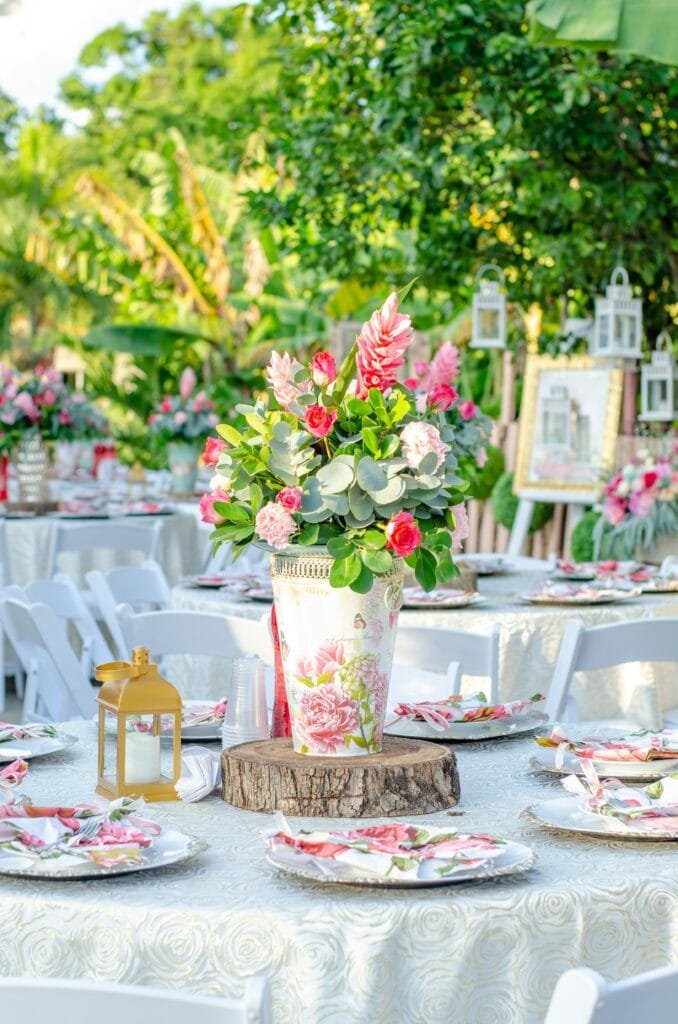
For outdoor summer weddings, use terracotta pots as centerpieces with trailing greenery and warm-toned blooms like dahlias, marigolds, and sunflowers. String lights overhead will cast a golden glow that intensifies both colors. Cheesecloth runners in undyed natural linen over bare wooden tables are the ideal summer surface.
After 35 years of planning summer weddings, the advice I give every couple working with this palette in warm months is the same: do not over-refrigerate your florals. Sage and terracotta arrangements that have been kept too cold lose the natural, slightly imperfect quality that makes them feel organic rather than stiff. Let them breathe.
What to emphasize in summer: Deep terracotta, dried textures, dahlias and marigolds, warm gold accents, natural linen.
What to pull back on: Very pale sage — it can wash out in bright summer light.
Autumn: Deep tones
If sage and terracotta have a natural home, it is autumn. The colors align almost perfectly with the seasonal landscape — the terracotta echoes fallen leaves, dried corn, and harvest pumpkins, while the sage reads like the last green foliage of the year before the trees turn. Everything you do for a fall wedding in this palette will feel intentional and cohesive simply because it mirrors what is already happening outside.
For fall weddings, deepen every tone you are using. Move from sage toward olive and eucalyptus. Move from terracotta toward rust, deep clay, and burnt orange. Add accent colors like deep burgundy, warm gold, and dried wheat to fill out the palette without overwhelming it. Use rich textures — velvet napkins, beeswax candles, ceramic vessels — that feel appropriate to the season.
The centerpiece format that works best for fall is a low, abundant arrangement of dried and fresh elements together: fresh eucalyptus with dried palm leaves, fresh marigolds with dried pampas grass, terracotta pots filled with autumnal herbs. This combination reads as intentionally seasonal rather than accidentally rustic.
What to emphasize in fall: Deep rust, olive, dried textures, velvet, burgundy accents, harvest-inspired blooms.
What to pull back on: Very light apricot tones — they read as spring in a fall setting.
Winter: Moody, Warm, Candlelit
A sage and terracotta winter wedding is not what most people imagine when they first encounter this palette, and that is exactly what makes it striking. Against the cool, neutral backdrop of a winter venue, these warm, earthy tones create an atmosphere of genuine intimacy and warmth that no other color combination produces quite as effectively.
In winter, the palette shifts toward its most luxurious expression. The sage deepens to a dusty, almost silvery green; think dried sage, muted eucalyptus, or even a touch of deep teal-green in the arrangement. The terracotta darkens toward terracotta-clay, deep rust, and cinnamon. Add cream, warm ivory, and candlelight in abundance. Taper candles in brass holders, pillar candles in varying heights, and warm Edison bulb string lights will make the terracotta tones glow.
For winter florals, lean into textural, sculptural elements: dried orange slices, pinecones, dried berry stems, and cinnamon sticks can all be woven into arrangements that feel genuinely seasonal. A winter sage and terracotta wedding does not need fresh flowers to be beautiful; the dried and preserved elements often create more interesting photography than fresh florals do at this time of year.
What to emphasize in winter: Dark clay, dried florals, candlelight, brass and gold accents, cream and ivory, sculptural textures.
What to pull back on: Very bright terracotta; it can feel out of place against the cool light of a winter venue.
Quick Reference: Sage and Terracotta by Season
Spring: Soft sage, apricot accents, fresh garden florals, cream linens, light and romantic
Summer: Bold terracotta, eucalyptus green, dahlias and marigolds, cheesecloth, golden hour glow
Fall: Deep olive, rust, and clay, dried textures, velvet, burgundy accents, harvest abundance
Winter: Dark dusty sage, deep clay, candlelight, dried orange and pine, brass and gold, sculptural arrangements
My Favorite Sage and Terracotta Wedding Finds From Etsy
- table runners
- candles
- bridesmaid dresses
- faux eucalyptus
- welcome signs
- cake topper
- invitations
- ribbon
- arch draping
- terracotta pots
Frequently Asked Questions on Sage & Terracotta Wedding Colors
While this palette is best known for late-summer and autumn weddings because it blends seamlessly with natural seasonal shifts, it is highly versatile. In the spring, dial up the sage green and pair it with light creams and apricot tones. In the autumn, lean heavily into deep terracotta, burnt orange, and rust notes to match the cozy aesthetic.
To add depth, incorporate accent shades like sand, cream, or soft ivory. If you want a touch of glamour, matte gold and warm brass accents work beautifully on flatware and candle holders. For a cool, modern contrast, subtle touches of powder blue can look strikingly contemporary.
The biggest budget saver for this theme is skipping expensive floral centerpieces. Because sage green is a foliage-based neutral, you can use bulk eucalyptus, olive branches, and potted herbs instead of pricey roses. Buying multi-packs of plain terracotta pots and amber bottles online allows you to dress up a table beautifully for a fraction of the cost of traditional rentals.
The difference between terracotta that reads as sophisticated clay and terracotta that reads as bright orange comes down to two things: shade selection and texture. Always choose muted, dusty terracotta tones rather than anything described as “burnt orange” or “rust orange” — those lean warm and bright in photographs. The second key is keeping everything in matte textures. Glossy or satin fabrics reflect light and amplify the orange undertones, while linen, velvet, and clay ceramic absorb light and keep the color grounded. When in doubt, look at swatches in natural daylight rather than under store lighting before making any purchases.
Yes, with the right application. The common assumption is that this palette belongs only in rustic or outdoor settings, but I have used it in ballrooms and formal church receptions to beautiful effect. The key is elevating the materials while keeping the colors. Replace cheesecloth runners with matte silk or dupioni. Use tall, architectural floral arrangements rather than loose, garden-style blooms. Choose amber or brass candelabras over terracotta pots. Keep the palette, but let the venue’s formality guide the format. The colors remain earthy and organic — the execution becomes polished and structured.
The flowers that consistently perform best in this palette are dahlias in peach, apricot, and deep rust tones, quicksand roses, garden roses in soft coral and apricot, marigolds for summer and fall, ranunculus in peach and blush for spring, dried pampas grass and palm leaves for texture, eucalyptus in every variety, olive branches, and fresh herbs, including sage itself. The most important floral guidance I give couples working with this palette is to mix fresh and dried elements in the same arrangement. The contrast between living greenery and dried texture is what gives this palette its depth — a fresh-flowers-only arrangement in these colors can read as generic, while the addition of dried elements makes it feel curated and intentional.
Natural, undyed, or neutral-toned linens are almost always the right choice for this palette. Washed linen in ivory, oatmeal, or natural undyed tones lets the sage and terracotta elements on the table do the visual work without competing. Cheesecloth or gauze runners over bare wooden tables are the most popular choice for outdoor and rustic settings. For more formal venues, a matte ivory or dusty blush linen with a sage green velvet table runner layered on top creates a layered, luxurious effect. What to avoid: white tablecloths make terracotta tones look orange, and bright satin in either color will overwhelm the whole palette.
Absolutely — and a sage and terracotta winter wedding is one of the most striking and unexpected combinations I work with. The key is shifting every tone toward its darker, moodier version. Move the sage toward dusty grey-green and olive. Move the terracotta toward deep clay, cinnamon, and dark rust. Replace fresh tropical or summer blooms with dried orange slices, pine, berry stems, and sculptural dried arrangements. Add candlelight in abundance — taper candles in brass holders, pillar candles in varying heights — and the warm tones of the terracotta will glow beautifully against the cooler winter atmosphere. This version of the palette has almost nothing in common visually with its summer expression, which is exactly what makes it feel native to the season rather than imported from another one.
This palette is genuinely one of the most budget-friendly in all of wedding design, and that is one of the reasons I recommend it so often. The primary cost saver is that sage greenery — eucalyptus, olive branches, fresh herbs — is among the least expensive floral material available, and it does the heavy visual lifting in this palette. Real terracotta pots purchased in bulk from a garden center or home improvement store cost a fraction of what rented vessels do and create a cohesive look across every table. Dried pampas grass, dried palm leaves, and dried grasses can be purchased in bulk online for very little and last indefinitely. The most expensive element in most sage and terracotta weddings is the fresh floral accents — and those can be reduced significantly by relying on the greenery and dried elements as the primary design material, with fresh flowers appearing only in the bridal bouquet and one or two focal points.
Final Thoughts
At the end of the day, your wedding colors should not feel like a rigid set of rules you are forced to follow. The reason I love the sage and terracotta wedding theme so much is that it naturally invites warmth, comfort, and relaxed elegance into a space. It allows your guests to sit back, breathe easy, and focus on what truly matters: celebrating your love story.
If you are feeling overwhelmed by all the design choices ahead of you, take a deep breath. Start small with a single inspiration piece, whether that’s a beautiful watercolor invitation or a specific linen sample, and build out from there.
Chris Ramsay is a wedding planner with over 35 years of experience in hospitality, country clubs, and event planning. She shares practical wedding advice, budget-friendly ideas, and real-world tips to help couples plan stress-free weddings at Well Chosen Weddings. Learn more about her on her about page.
Make Wedding Planning Easier
Planning a DIY wedding means keeping track of more than decorations. You also have a budget to manage and a wedding day to organize. I created these shortcuts to help you with your wedding planning.
Wedding Budget Tracker
Keep your wedding expenses organized and see exactly where your money is going.
Wedding Day Timeline
Keep your wedding day organized so you know what needs to happen and when.