This post contains affiliate links. I earn a commission on purchases made through these links at no additional cost to you.
After more than 35 years of planning weddings, I have learned that the things couples worry about most are not always the things that matter most on the wedding day.
After 35 years of planning weddings, I have watched couples make the same mistakes over and over again, not because they were not smart or not prepared, but because nobody told them these things before the wedding day arrived. This guide covers the 25 most important things I wish every couple knew before they walked down the aisle.
Download the free printable checklist version below and keep it with you throughout the planning process.
I have seen couples spend hours agonizing over tiny details that their guests never noticed. I have seen couples make themselves sick over worrying too much about things that are out of their control. I have also seen seemingly small logistical problems create unnecessary stress because nobody had thought about who would handle them.
And I have learned something else: The couples who enjoy their wedding day the most are not necessarily the ones who planned every detail perfectly. They are the ones who understand what really matters.
So if I could sit down with every engaged couple before they started making their final decisions, these are the 25 things I would want them to know.
The 5 Things I Most Want Every Couple to Know
If you remember nothing else from this list, remember these five things:
- Your wedding does not have to be perfect.
- Your guest list affects almost every other wedding decision.
- Build more time into your wedding-day timeline than you think you need.
- Decide ahead of time who will handle problems on the wedding day.
- Protect time to actually enjoy the day with each other and your guests.
These five ideas come up again and again throughout the 25 pieces of advice below. Good planning is not about controlling every minute. It is about creating enough structure that you can relax when the unexpected happens.
Here is what I have learned after more than 35 years of planning weddings.
Before Your Wedding Day Planning Tips
1. Build Buffer Time Into Your Timeline
Build fifteen-minute buffers between every single transition on your wedding day timeline. Between getting ready and leaving for the venue, between arriving and the ceremony start, and between the ceremony and portraits. Hair takes longer than expected. Vendors arrive slightly late. Guests take longer to find their seats. On a tight timeline, those small delays stack on top of each other, and by two in the afternoon you are an hour behind. The buffer time is not wasted; it is insurance.
For a professionally designed timeline with every buffer already built in at the correct stage, the Wedding Day Timeline Template is available as an instant download from the shop.
2. Do Not Skip the Rehearsal
The rehearsal is not a formality. It is your only chance to walk through the physical logistics of the ceremony before guests are watching. Which aisle does the wedding party enter from? How fast should they walk? Where does everyone stand? Where does the officiant position the couple? Does the microphone reach the vow book? Walk through the processional at least twice at the actual pace, not a brisk walk-through. Every couple who skips the rehearsal discovers at least one thing on the wedding day that would have been simple to fix the evening before.
3. Confirm Every Vendor the Week Before Your Wedding
Call or email every single vendor seven days before your wedding. Confirm arrival time, the address, and the contact person on the day. Every vendor problem I have seen on a wedding day is one that a five-minute phone call the week before would have caught. This single habit has saved more weddings than any amount of additional planning.
Call or email every single vendor seven days before your wedding. Confirm arrival time, the address, and the contact person on the day. Every vendor problem I have seen on a wedding day is one that a five-minute phone call the week before would have caught. This single habit has saved more weddings than any amount of additional planning.
4. Schedule Your Getting Ready Morning in 30-Minute Blocks
Most wedding day timelines start with the ceremony and leave the morning completely unscheduled. Schedule getting ready in thirty-minute blocks: who sits in the makeup chair when, when breakfast happens, when the dress goes on, and when you leave for the venue. An unscheduled morning always falls apart.
Having a wedding website is the best way to communicate with your guests.
5. Talk to Your Photographer About Lighting Before Your Wedding Day
If your ceremony is between 11 am and 3 pm outdoors, have a direct conversation with your photographer about the lighting before the wedding day arrives. Midday sun creates harsh shadows on faces that editing cannot fully correct. Your photographer will know exactly where to position you to manage this, but only if you raise it in advance.

The Wedding Morning
6. Eat Breakfast
Every bride who skips breakfast regrets it before the cocktail hour. The combination of adrenaline, emotion, and physical activity on a wedding morning burns through energy faster than almost anything else. Schedule breakfast as a non-negotiable item in your morning timeline. Assign someone specifically to make sure it happens.
7. Limit Who Is in the Getting-Ready Room
The getting-ready room should contain only the people being photographed getting ready and the vendors working on them. Every additional person — a mother of a bridesmaid, a family friend who wanted to stop by — creates noise, movement, and distraction that makes the timeline harder to maintain and the photographs harder to compose. Visitors can see the bride once she is fully dressed.
8. Assign the Wedding Day Emergency Kit to One Specific Person
A beautifully stocked emergency kit sitting in a bag that nobody can find is not useful. Assign it to one person, typically the maid of honor, and make sure she knows every item in it and where the bag is at every moment of the day. For the complete list of what belongs in a wedding day emergency kit, the Wedding Day Emergency Kit guide covers all 25 essentials.
9. Practice the Bustle Before the Wedding Day
Practice the bustle at the final dress fitting. Then practice it again at the rehearsal. Assign two people who know how to do it so there is always a backup. A broken or incorrectly bustled dress is one of the most consistent causes of post-ceremony delay in 35 years of planning weddings. Five minutes of practice prevents thirty minutes of frustration on the day.
10. Understand How Fast the Day Goes
The wedding day is the fastest day of most couples’ lives. The morning feels like it will never end, and then it does, and suddenly the reception is half over. Understand this in advance and make different choices because of it. Linger in the processional. Stay at the dinner table a little longer. Make eye contact with the people you love rather than scanning the room for what comes next.
Wedding Ceremony
11. Write Vows That Are Under Two Minutes
Personal vows that run more than two minutes each are too long. Not because the words are not meaningful; they almost always are. But because guests sitting in outdoor heat or on hard church pews for a twenty-minute vow exchange lose the ability to be present for the final words, regardless of how beautiful they are. Write what you genuinely feel. Then cut it by thirty percent. For complete guidance on writing vows that land with the right weight and length, the How to Write Wedding Vows and Speeches guide covers the full process.
This post will help you with writing your own vows and writing your wedding toast.
12. Brief the Officiant on Pronunciation
Every wedding has at least one name, location, or cultural term that an unprepared officiant will mispronounce. Provide every unusual name in phonetic spelling during your pre-wedding meeting with the officiant. This is a five-minute conversation that prevents a moment the couple will notice every time they watch their ceremony video for the rest of their lives. The DJ will also need this information for the introductions.
13. Request an Unplugged Ceremony
Guests who photograph the ceremony on their phones and tablets block your photographer’s sightlines, create distracting backgrounds in your formal photographs, and miss the emotional experience of the ceremony entirely because they are looking at a screen. An unplugged ceremony request, communicated in the wedding program, on the wedding website, and verbally by the officiant at the start, eliminates this problem almost entirely.
Wedding Reception
14. Eat at Your Own Reception
The majority of couples do not eat at their own wedding reception. They are pulled from table to table during dinner, stop to talk during every course, and arrive at the end of the evening having eaten almost nothing despite having paid for dinner for 150 people. Assign your coordinator or a trusted bridesmaid the specific job of sitting you down for fifteen minutes at dinner and making sure you eat.
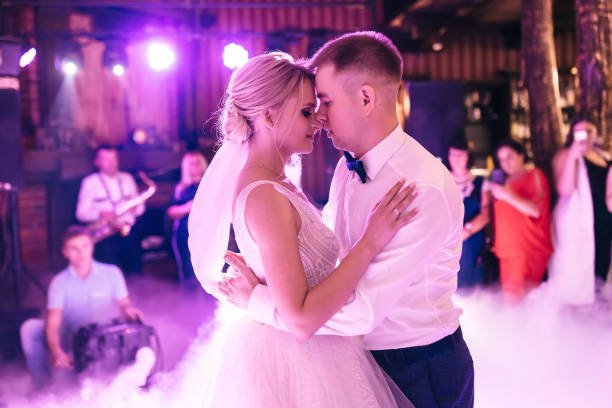
15. Do Not Schedule the First Dance Too Early
The first dance signals to every guest that the celebration has officially begun. When it happens before guests have drinks in their hands and before the room has reached its natural energy, it falls flat. Give guests at least thirty minutes to arrive, find their seats, and receive their first drink before any formal moment begins.
16. Give Your DJ a Playlist and a Do Not Play List
A song list tells your DJ what to play. A do-not-play list tells them what to never play regardless of guest requests. Both are equally important. Submit both lists at least two weeks before the wedding.
17. Keep the Table Visits Brief
Visiting every table during dinner is one of the most consistent reasons couples do not eat, miss toasts, and arrive at cake cutting feeling exhausted. If you are going to do this, keep each visit brief and meaningful; guests will understand you have many guests to visit with. Better yet, visit with guests during cocktail hour if possible.
18. Brief Guests Before the Grand Exit
The most beautiful grand exit photographs are the ones where every guest is participating. When guests do not know the exit is coming, half of them are in the bathroom or in conversation on the opposite side of the room when it begins. Have your coordinator make a venue-wide announcement five minutes before so everyone is in position with their sparklers, petals, or bubbles. For more details on unique wedding exits, this post on wedding exit ideas covers them all.
Advice From a Wedding Planner
19. Schedule a Private Moment for Just the Two of You
The wedding day is the most people-filled day of most couples’ lives. The couples who describe their wedding day most warmly almost always protected one private moment: ten minutes alone after the ceremony, a quiet drink before entering the reception, a walk around the venue before guests arrived. Tell your coordinator to protect this time specifically. Do not use it to check your phone. Be married for ten minutes before you share it with everyone else.
20. Realize in Advance That Something Will Go Wrong — and That It Will Not Matter
Something will not go exactly as planned on your wedding day. This is true of every wedding I have planned in 35 years without a single exception. What separates couples who enjoy their wedding day from couples who do not is rarely the number of things that go wrong. It is whether they decided in advance to let those things go. Make that decision before the day begins.
21. Thank Your Vendors Personally
The people working your wedding day are working hard to make your celebration exactly what you imagined. A genuine personal thank-you from the couple at some point during the day is something vendors remember. It costs nothing and means more than most couples realize.
22. Assign Someone to Collect Cards and Gifts
Wedding cards left unattended on gift tables disappear. Assign one specific person, not a member of the wedding party who will be occupied elsewhere, to collect all cards and gifts at the end of the evening and transport them to a designated secure location.
23. Designate a Day-of Contact Person for All Vendors
Every vendor who needs to reach you on the wedding day should have one specific number to call, and it should not be the bride’s number. Assign your coordinator, your maid of honor, or a trusted family member as the day-of contact for all vendors. The bride should be unreachable for logistics on her wedding day. For a full picture of what a coordinator handles on the wedding day, the What a Wedding Coordinator Actually Does guide covers every role in detail.
24. Go to Bed at a Reasonable Hour the Night Before Your Wedding
The night before the wedding, go to bed at a reasonable hour. Do not scroll social media. Do not stay up finishing things that are not finished. The planning is done. Give yourself a full night of sleep before the most photographed and most remembered day of your life.
25. Permit Yourself to Feel Whatever You Feel
Wedding days produce a wider range of emotions than most couples anticipate. There will be moments of overwhelming joy, unexpected grief for the life you are leaving behind, exhaustion, hilarity, and moments of such beauty that they are hard to believe are real. All of these are the correct feelings to have. There is no wrong way to experience your own wedding day. Permit yourself to feel everything, and to be completely, fully present for it.
Build a Realistic Wedding Budget
A wedding budget is not just the major vendor costs. This is where couples can get caught off guard.
Taxes.
Gratuities.
Delivery fees.
Service charges.
Alterations.
Stationery.
Transportation.
Overtime.
Rentals.
Last-minute purchases.
All those little expenses can add up. A realistic budget leaves room for the things you haven’t thought of yet. That is important because there will almost always be something.
If you need help keeping track of every expense, deposit, and payment, my Wedding Budget Worksheet can help you organize the numbers in one place.

Get the Free 25 Things Every Couple Should Know Guide
If you found these tips helpful, I have put them together in a simple printable guide you can keep with your wedding planning materials.
Keep it handy as you plan, and come back to it as your wedding day gets closer.
Frequently Asked Questions About Things I Wish Couples Knew Before Their Wedding
Start by knowing your priorities, creating a realistic budget, understanding your vendor contracts, and building a realistic wedding-day timeline. Just as importantly, decide ahead of time who will handle questions and problems on the wedding day so you aren’t managing everything yourself.
Build extra time into the schedule, communicate clearly with vendors, delegate responsibilities, and have a plan for common problems such as weather, transportation, and personal items. The goal is not to eliminate every possible problem. It is to make sure a small problem does not become your problem.
A wedding day timeline should include getting ready, photography, transportation, the ceremony, cocktail hour, reception events, meals, and the final send-off. It should also account for setup, travel, and transition time between events.
There isn’t one amount of time that works for every wedding. The number of people, photographs, locations, and combinations all affect the schedule. Talk with your photographer about the photographs that matter most and build a realistic amount of time into the timeline rather than trying to fit an enormous shot list into a short window.
Yes, particularly if any part of the wedding takes place outdoors. A backup plan should identify where the event will move, who will make the decision, how guests will be informed, and what vendors need to know.
Ideally, someone other than the couple should handle vendor questions, transportation questions, personal items, gifts, timeline questions, and small logistical problems. That person might be a wedding planner, coordinator, or trusted person you’ve specifically designated for the job.
Remember that your guests usually do not know what was supposed to happen. A small change that feels enormous to you may be completely invisible to everyone else. Take a breath, let your designated person handle the problem when possible, and keep enjoying your wedding.
Don’t make the goal a perfect wedding. Make the goal a meaningful one. Plan carefully, but leave room for real life. Your wedding day is about the two of you and the people you have gathered to celebrate with you.
Couples often focus on the major decisions and overlook smaller logistical details such as transportation time, meals for the couple, water, personal items, gifts, vendor contact information, and who will handle questions during the day. These details may seem minor, but having a plan for them can prevent unnecessary stress.
Some common mistakes include setting a budget without accounting for additional expenses, leaving the wedding-day timeline until the last minute, trying to manage everything themselves, giving vendors incomplete information, and failing to build enough time into the schedule. Another common mistake is spending too much energy trying to make the wedding perfect instead of deciding what actually matters most.
The best way to protect your wedding-day experience is to plan ahead and delegate responsibility. Give someone else the timeline, vendor contact information, personal-item instructions, and other logistical details. When a problem comes up, you want someone else to be able to say, “I’ve got it,” so you can stay focused on the people and moments that matter.
First, take a breath. Then determine whether the problem actually requires your attention. If it does not affect the ceremony, your safety, your guests’ comfort, or something truly important to you, let someone else handle it. Your guests usually do not know what was supposed to happen, so a small change may be completely invisible to them.
Final Thoughts
The wedding day is one day. The marriage is everything that follows it. The couples who are most at peace on their wedding day are almost always the ones who put the day in its proper proportion; they planned it carefully, handed the logistics to capable people, and decided to be present for it rather than to manage it.
None of the mistakes in this guide are catastrophic. Every single one is recoverable. The couples I have watched navigate the most difficult wedding day moments have almost all described those moments later as part of what made the day feel real and theirs.
Plan well. Delegate completely. Show up and be present. The rest takes care of itself.
For the complete month-by-month planning framework, the Ultimate Wedding Planning Guide covers every vendor decision in the correct order. For a professionally designed day-of timeline that builds every buffer into the schedule automatically, the Wedding Day Timeline Template is available as an instant download.
Chris Ramsay is a wedding planner with over 35 years of experience in hospitality, country clubs, and event planning. She shares practical wedding advice, budget-friendly ideas, and real-world tips to help couples plan stress-free weddings at Well Chosen Weddings. Learn more about her on her about page.
Make Wedding Planning Easier
Planning a DIY wedding means keeping track of more than decorations. You also have a budget to manage and a wedding day to organize. I created these shortcuts to help you with your wedding planning.
Wedding Budget Tracker
Keep your wedding expenses organized and see exactly where your money is going.
Wedding Day Timeline
Keep your wedding day organized so you know what needs to happen and when.