
After 35 years of planning weddings, the conversation I have most often in the final month before a couple’s wedding is not about florals or music or the seating chart. It is about money, specifically, the costs that appeared on invoices that were not on the original quote.
A couple who budgeted $35,000 for their wedding and spent $42,000 is not a couple who made bad decisions. In most cases, they simply did not know about the costs that almost every wedding vendor adds at some point in the process. These costs are not hidden in a dishonest sense; they are in the contracts. But they are written in contract language, listed at the bottom of vendor packages, and rarely discussed in planning conversations until the invoice arrives.
This guide covers every hidden wedding cost I have seen catch couples off guard, the exact amount to budget for each one, and the specific questions to ask vendors before you sign anything.
This post contains affiliate links. I earn a commission on purchases made through these links at no additional cost to you.

The Catering Costs Nobody Warns You About
Catering is where hidden costs concentrate most heavily, and where the gap between quoted price and final invoice is widest.
Service Charges and Administrative Fees
When a catering quote says your per-person cost is $95, that number does not include the service charge, which typically runs between 18 and 24 percent of the total food and beverage bill. On a 100-person wedding with a $9,500 catering invoice, a 22 percent service charge adds $2,090 before tax.
What couples miss is that the service charge is itself taxable in most states. So you are paying tax on the service charge as well as on the food. On a $9,500 food bill with a 22 percent service charge and 8 percent tax on both, the actual final number is closer to $12,400.
When you receive a catering quote, ask for a sample final invoice from a comparable wedding. The itemized version will show you exactly what the all-in number looks like before you commit.
Cake Cutting Fees
If you purchase your wedding cake from an outside bakery rather than the venue’s in-house pastry team, most venues charge a cake cutting fee, typically between $2 and $8 per person to cut and plate the cake. On a 100-person wedding, this adds $200 to $800 to the final catering invoice, often without being mentioned during initial venue tours.
Ask about the cake cutting fee directly during venue negotiations. Some venues will waive it if you ask, especially if you are otherwise a profitable event.
For inspiration on wedding dessert bar, this post covers items your guests will love as well as display ideas. Wedding Dessert Bar Ideas.
Corkage Fees
If you bring your own wine or spirits rather than purchasing through the venue’s bar package, most venues charge a corkage fee, typically $10 to $25 per bottle opened. For a couple who purchases their own wine to save money, this fee can eliminate a significant portion of the anticipated savings. Calculate the full cost including corkage before deciding whether bringing your own alcohol makes financial sense.
For cost-saving tips on your food and beverages for your wedding, this post covers selecting the food and bar for your wedding day.
This post focuses on Food and Beverages for Summer Weddings.

Vendor Meals
Most catering contracts require that you provide a meal for each vendor working your reception, photographer, videographer, DJ, coordinator, and any assistants. This is standard industry practice and worth planning for. Budget a vendor meal cost equal to roughly 60 to 70 percent of your per-person guest rate for every vendor who will be present during dinner service. On a 100-person wedding with six vendors, this typically adds $300 to $600.
Venue Costs That Appear After Booking
Setup and Breakdown Fees
Many venues quote a rental fee for the space itself and add setup and breakdown fees separately. These cover the staff time required to arrange chairs, tables, and equipment before your guests arrive and to remove everything afterward. Setup and breakdown fees typically run between $500 and $2,000 depending on the venue size and the complexity of the event.
Ask specifically whether setup and breakdown are included in the rental fee or billed separately before signing the venue contract.
Overtime Fees
Your venue contract specifies an end time, and vendors who stay past that time typically charge overtime at a per-hour rate. For venues, this is typically $500 to $1,500 per additional hour. For photographers and videographers, overtime runs $200 to $500 per hour depending on their package structure. For a DJ, $150 to $300 per hour is standard.
After 35 years of planning weddings, I recommend building an additional thirty minutes into every vendor’s contracted end time as a buffer. Receptions almost always run slightly long, and the cost of overtime surprises couples every time.
Parking Fees
If your venue is in an urban area, a hotel, or a private club, parking validation or valet service may not be included in the venue package. Guest parking fees can add several thousand dollars to the final invoice for larger weddings in metropolitan markets. Check whether parking is included, whether you can offer validation, or whether a shuttle from a nearby free parking lot is a more economical solution.
Coat Check and Attendant Fees
Winter and fall weddings often require coat check service. If the venue provides this, it may be billed separately from the main rental fee. If the venue does not provide it, you may need to hire an attendant independently. Budget $200 to $400 for coat check service at a 100-person event.

Vendor Gratuities — The Cost Most Couples Forget Entirely
Gratuities for wedding vendors are not mandatory but are standard industry practice for vendors who perform exceptionally, and in the wedding industry, most do.
The general framework I give couples is this: Budget 15 to 20 percent gratuity for catering staff (this is often separate from the service charge, which goes to the company rather than the individual servers), $50 to $200 for photographers and videographers depending on the length of coverage and their level of service, $50 to $150 for the DJ, $50 to $100 for the florist’s delivery and setup team, and $50 to $150 for the officiant if they are not charging a formal fee.
For a 100-person wedding with a full vendor team, gratuities typically total between $500 and $1,500. Budget for this separately from your main vendor costs.
This guide on wedding etiquette includes a vendor tipping guide.
Floral and Decor Costs That Catch Couples Off Guard
Delivery, Setup, and Breakdown Fees
Most florists charge separately for delivery, setup at the venue, and breakdown at the end of the evening. These fees vary significantly by distance from the florist’s studio to the venue and by the complexity of the installation. For large-scale floral installations, ceremony arches, hanging installations, and elaborate tablescapes, breakdown fees can run $300 to $600 on top of the floral budget itself.
If you are considering doing your own wedding decor, this post covers DIY Wedding Decor Ideas.
Rental Return Fees
If your florist uses rental vessels, vases, urns, candelabras, pedestals, there is almost always a rental fee for these items and a deposit against damage or non-return. Ask for the full rental and return fee schedule before approving the floral proposal.
Attire and Beauty Costs That Appear After the Initial Purchase
Wedding Dress Alterations
The cost of alterations is rarely included in the purchase price of a wedding dress. For a gown that requires significant fitting work, hemming, taking in the bodice, adding a bustle, and adjusting the sleeves, alterations can run between $300 and $1,200 depending on the complexity and the alterations specialist you choose. Budget for alterations as a separate line item from the moment you purchase the dress.
For more ideas on affordable wedding dresses and accessories, this post has the latest styles.
Hair and Makeup Trial Run
Most hair and makeup artists charge for a trial run, a session conducted before the wedding day to determine the final look. Trial fees typically run between $100 and $250 and are separate from the wedding day rate. Many artists require a trial before confirming wedding day bookings, so this is a cost you will encounter early in the planning process.
Day-of Touch-Up Kits
The cost of a bridal emergency kit- travel-size makeup, a sewing kit, stain remover, pain reliever, blister bandages- is small individually but adds up when assembled. Budget $50 to $100 for a fully stocked kit.
For a comprehensive, professionally curated wedding day emergency kit checklist, the Wedding Day Emergency Kit guide covers everything you need in the bridal suite.
Stationery and Communication Costs
Postage
Wedding invitation postage is consistently underestimated. A standard invitation suite with RSVP card and envelope can weigh enough to require additional postage beyond the standard letter rate, typically $0.88 to $1.40 per envelope depending on weight and size. For 150 invitations, the difference between standard and elevated postage is $60 to $135.
Bring a fully assembled invitation to the post office and have it weighed before purchasing postage for the full quantity.
RSVP Non-Response Follow-Up
For couples who include a physical RSVP card with a return stamp, the stamp cost on 150 enclosed RSVP envelopes runs $87 to $100 at current rates. Many couples are switching to digital RSVPs through their wedding website to eliminate this cost entirely.
For a free wedding website that manages digital RSVPs, WedSites handles all guest communication in one place.
For advice on how to word a wedding invitation for an adults-only wedding, this post will give you great ideas.
Legal and Administrative Costs
Marriage License
Marriage license fees vary significantly by county and state, typically between $25 and $115. Some states have waiting periods between application and issuance. Research your specific jurisdiction’s requirements and fees as early as possible.
Name Change Costs
If you plan to change your name after the wedding, the administrative costs include a certified copy of your marriage certificate (typically $10 to $25 per copy), Social Security Administration processing (currently free), and various state DMV fees for an updated driver’s license. Budget $50 to $150 for name change administrative costs.
Wedding Insurance
Most couples do not think about wedding insurance until something goes wrong.
Wedding insurance policies typically range from $150 to $600, depending on coverage level and total event cost. They can cover cancellation due to illness, extreme weather, vendor no-shows, venue closure, and liability for accidents during the event.
Given that the average wedding now costs $34,000 to $36,000, the cost of basic wedding insurance is genuinely small relative to what it protects. I have worked with couples who were devastated by vendor cancellations and venue closures. The ones who had insurance recovered. The ones who did not had very few options.
Day-of Transportation Costs
Transportation for the couple and the wedding party between getting-ready locations, the ceremony venue, and the reception venue is often an afterthought in the initial budget. Limousine and shuttle rentals typically run $500 to $2,000 depending on vehicle size, distance, and duration.
For couples with out-of-town guests, a shuttle between the hotel and the venue for the wedding day typically adds $300 to $800 per run. This is a guest experience investment worth making; it eliminates the liability of guests driving after an open bar and dramatically improves the end-of-evening logistics.
Photography and Videography Add-Ons
Engagement Session
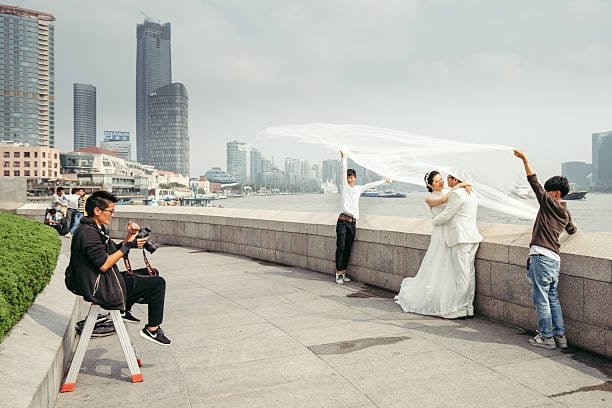
Many photographer packages include an engagement session; many do not. An a la carte engagement session typically runs $300 to $600.
Additional Hours
If your reception runs long or your getting-ready timeline begins earlier than originally planned, photographer and videographer overtime runs $150 to $500 per hour depending on their package structure. Confirm exactly when their clock starts and when it ends.
Albums and Print Products
Most photographers quote their package price for digital files only. Physical albums, parent albums, and printed products are typically sold separately. A professional wedding album runs $800 to $2,500. Budget for this separately if you want one.
How to Protect Yourself: What Every Couple Should Do Before Signing
After 35 years of watching couples navigate these costs, here is the single most effective thing you can do: ask for everything in writing, and ask for it before you fall in love with the vendor.
Every contract should include:
A complete itemized list of every fee and charge, the overtime rate and how it is calculated, whether gratuity is included or expected separately, what happens if your guest count changes, cancellation and refund policies in clear language, setup, breakdown, and cleanup responsibilities, and any associated fees
If a vendor cannot or will not provide a fully itemized contract, that is your answer about whether to work with them.
This guide will help you with the important questions to ask when booking a wedding venue. How to find the perfect wedding venue.
A wedding planning binder is one of the most practical tools for keeping contracts, quotes, and vendor correspondence organized in one place. Keeping every document together means you can quickly compare what you were quoted against what you are being billed.
Amazon has this binder that I have recommended before, and I know they love it.
For a complete framework for building your wedding budget with all categories accounted for, read the Wedding Budget Framework guide.
Frequently Asked Questions About Hidden Wedding Costs
In my experience, the catering service charge is the most consistently underestimated cost. Couples see a per-person price and budget from that number without realizing that a 20 to 24 percent service charge plus tax on both the food and the service charge can add 28 to 32 percent to the final catering invoice. On a $15,000 catering contract, this adds $4,200 to $4,800 that was not in the original budget.
The most effective strategy is requesting an itemized sample final invoice from each vendor before signing their contract. Ask specifically: what does the total invoice look like for an event comparable to mine, including all fees, service charges, taxes, overtime, and gratuities? Vendors who are reluctant to provide this information are vendors worth scrutinizing carefully.
Budget between $500 and $1,500 for a 100-person wedding with a full vendor team, covering catering staff, photographer, videographer, DJ, florist delivery team, and coordinator. Gratuities are not mandatory but are standard practice for vendors who perform well, which most do.
No. This distinction matters significantly. A service charge on a catering invoice goes to the catering company and is used to cover labor costs, overhead, and operational expenses. It does not automatically go to the individual servers and bartenders who worked your event. If you want to tip the actual people who served your guests, you typically need to provide cash gratuities separately.
Cake cutting fees, corkage fees, overtime fees, and setup and breakdown fees are all worth discussing during contract negotiations. Many venues will waive or reduce these fees for couples who negotiate in good faith before signing, but very few vendors will volunteer to waive them without being asked. The key is to raise them before signing, not after.
After 35 years of reviewing wedding budgets, the item couples most consistently forget is alterations. The dress purchase feels like a complete transaction but is actually only the beginning. Budget at least $300 for alterations on any gown requiring significant fitting work and up to $800 to $1,200 for complex alterations.
Final Thoughts
The couples who stay closest to their wedding budgets are almost never the ones with the most discipline or the most resources. They are the ones who asked the most specific questions before signing anything.
Every cost in this guide is findable in vendor contracts before the wedding day. None of them are truly hidden, they are simply never discussed in the initial sales conversation, because no vendor’s first meeting covers gratuities, overtime, cake cutting fees, and service charge tax structures.
Use this guide as your question list for every vendor meeting. Ask about each fee category specifically. Get the full answer in writing. And build a ten percent buffer into your total budget from the beginning, because something you did not anticipate will almost always appear.
For the complete wedding budget framework, including the percentage breakdown by category that shows exactly where your money should go, the Wedding Budget Breakdown guide covers every planning decision in the correct order.
For couples who want a comprehensive planning structure from start to finish, the Wedding Planning Timeline covers the month-by-month sequence including when these budget conversations should happen relative to each vendor booking.
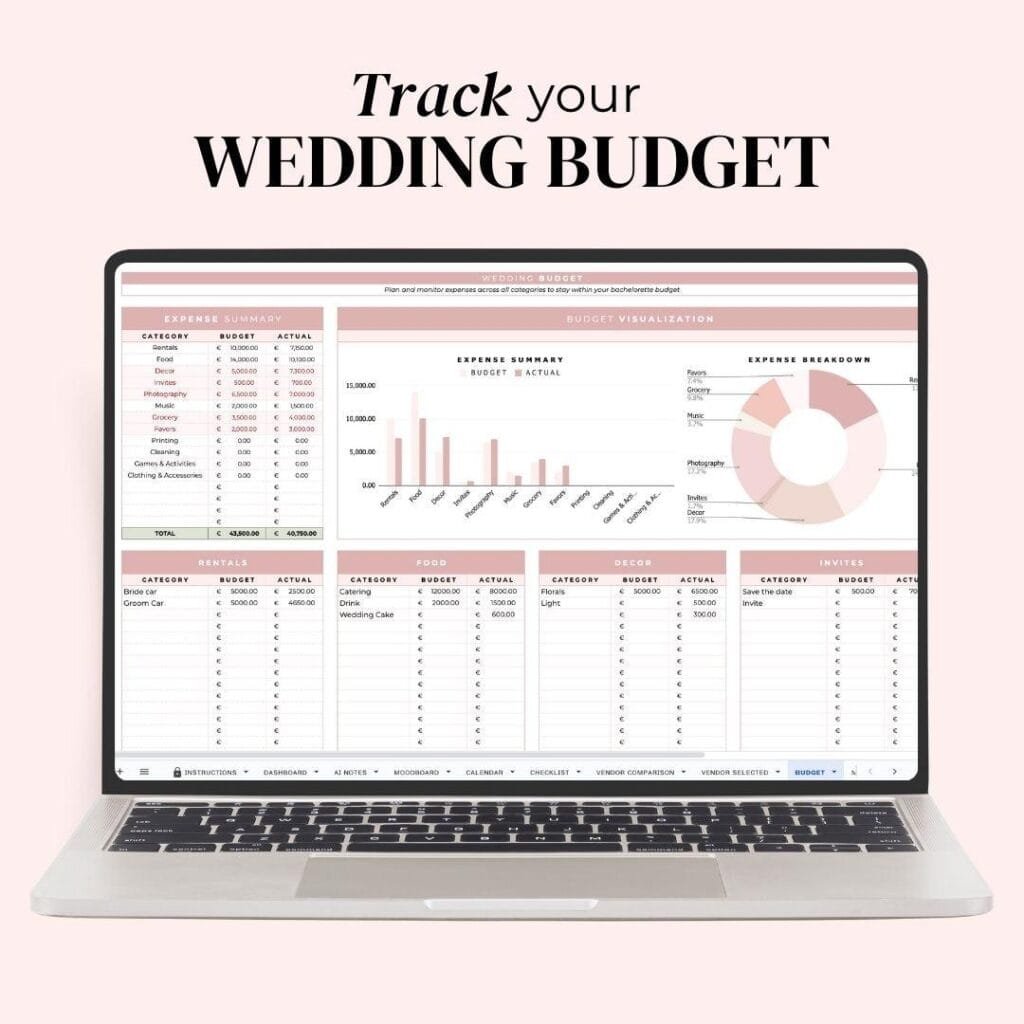
Do not Just Set a Wedding Budget. Track It.
Knowing about hidden wedding costs is important, but you also need a way to keep track of everything as those expenses start adding up.
My Wedding Budget Worksheet was created to help you organize your planned expenses, track what you spend, and keep your overall wedding budget in view as you make decisions.
Get the Wedding Budget Worksheet here and make your wedding budget easier to manage.
When it is time to coordinate the ceremony, read this blog on wedding ceremony rehearsals.
Chris Ramsay is a wedding planner with over 35 years of experience in hospitality, country clubs, and event planning. She shares practical wedding advice, budget-friendly ideas, and real-world tips to help couples plan stress-free weddings at Well Chosen Weddings. Learn more about her on her about page.
Make Wedding Planning Easier
Planning a DIY wedding means keeping track of more than decorations. You also have a budget to manage and a wedding day to organize. I created these shortcuts to help you with your wedding planning.
Wedding Budget Tracker
Keep your wedding expenses organized and see exactly where your money is going.
Wedding Day Timeline
Keep your wedding day organized so you know what needs to happen and when.