Wedding seating charts can make or break the flow of your reception. A well-planned seating arrangement keeps dinner service smooth, prevents awkward guest interactions, and helps everyone feel comfortable throughout the evening. Here are 14 of the most common mistakes I see couples making with their seating charts and how to avoid them.
As a wedding planner with decades of experience, I have seen the same seating chart problems happen again and again. The good news is that they are easy to avoid once you know what to look for.
In this guide, you will learn the most common wedding seating chart mistakes couples make and practical tips to create a seating plan that keeps your reception running smoothly.
Most couples don’t realize how important their wedding seating chart is until something goes wrong. From awkward table pairings to confusing layouts, small mistakes can quickly impact the flow of your reception. The good news? With a few expert strategies, you can avoid these issues and create a seating plan that feels effortless for both you and your guests.
What Are the Biggest Wedding Seating Chart Mistakes?
The most common wedding seating chart mistakes include:
- Skipping assigned seating altogether
- Misnumbering the tables (or not numbering)
- Separating guests who know each other
- Forgetting to account for family dynamics
- Making the seating chart hard to read or find
- Overstuffing tables
Avoiding these mistakes helps your reception run smoothly and keeps guests comfortable throughout the evening.
Many common wedding trends can negatively impact the guest experience without couples realizing it. If you want your wedding to feel smooth and enjoyable for everyone, read my guide on wedding trends to avoid and what to do instead.
Related Post: Seating Charts for every style.
1. Skipping the Seating Chart Altogether
Letting guests pick their own seats may sound relaxed, but it usually creates stress, cliques, awkwardness, and empty chairs. You will also end up needing more centerpieces due to the extra tables needed, because guests will not fill in the tables. Assigned tables are also essential for plated dinners, so catering staff can easily deliver the correct meals to the right guests.
A Wedding Planner’s Perspective on Seating Charts
After working with hundreds of weddings, I can confidently say that seating charts are one of the most underestimated parts of wedding planning.
When couples skip this step or rush through it, dinner service slows down, guests become confused, and the reception energy drops.
But when seating is thoughtfully planned, guests settle in quickly, conversations flow naturally, and the reception feels effortless.
A well-organized seating chart is one of the easiest ways to improve the overall guest experience.
Even for casual weddings, assigned tables give guests structure and prevent confusion. Escort cards or a simple chart go a long way in making everyone feel welcome and comfortable.
This post contains affiliate links. As an affiliate, I earn a commission from qualifying purchases at no additional cost to you. Read my Affiliate Disclosure for details.
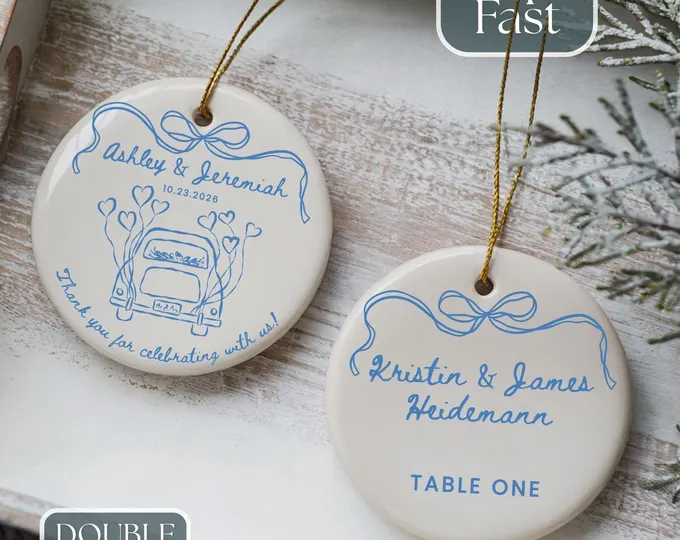
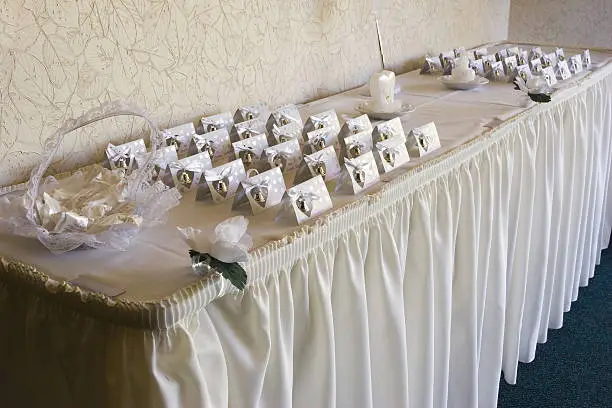
Bonus tip: Offer an escort card that doubles as a wedding favor. Etsy offers these, favors, escort cards, and Christmas ornaments all in one!
2. Not Numbering or Misnumbering Tables
Random or illogical table arrangements can cause traffic jams, confusion, and late dinner service.
Shop Etsy for a huge selection of table numbers. Make sure they are easy to read and logical.
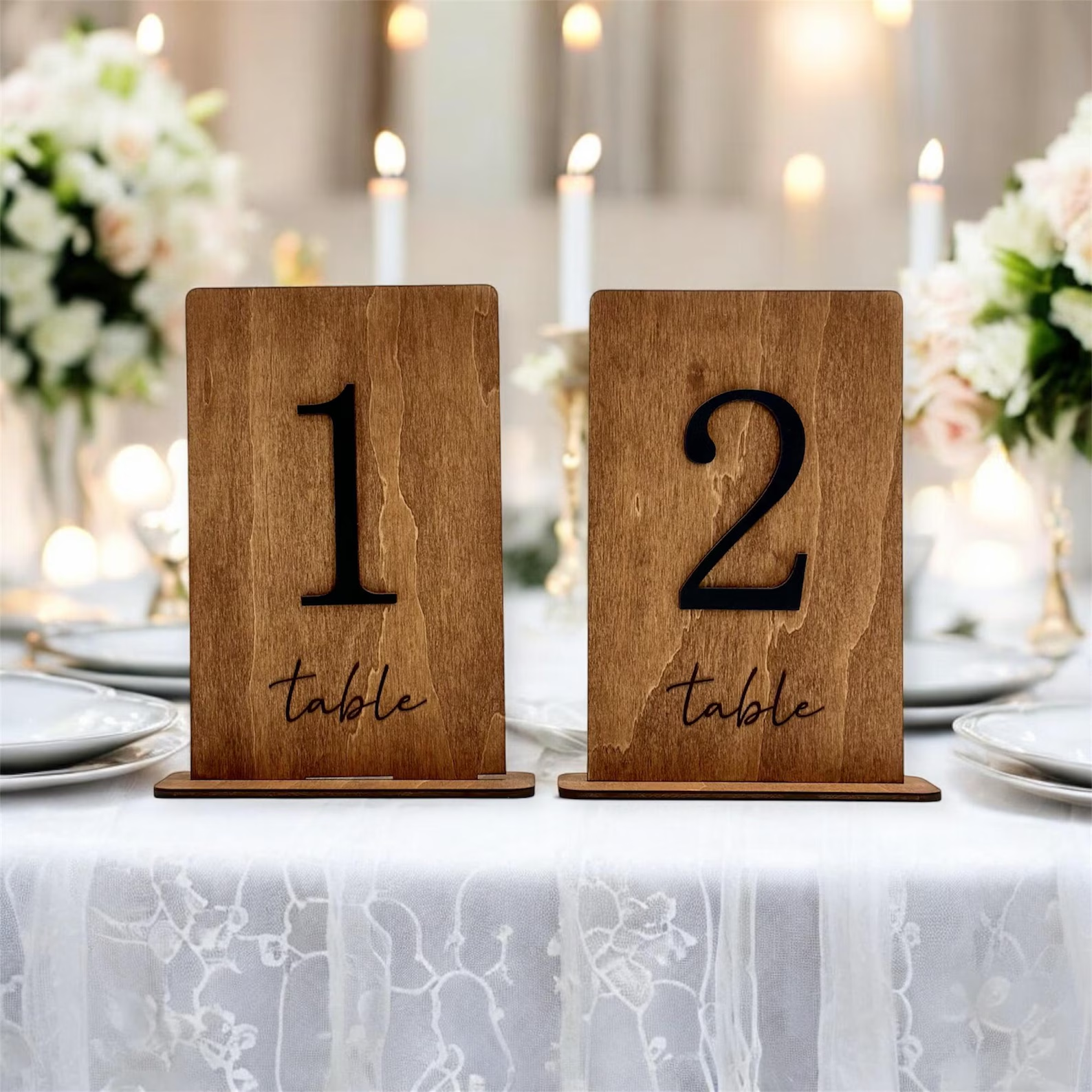
Number tables in a clear pattern, either clockwise from the entrance or by sections. If you’re naming tables, also include numbers and organize the seating chart alphabetically by guest name, not by table. Do not make it too difficult for guests to find their table. Always place the table number facing the entrance.
Use WedSites to manage your seating chart. Click the image below to go to their site. They also offer free wedding websites.
3. Leaving Out a Guest
There’s nothing more uncomfortable than a guest realizing they don’t have a seat. This causes a lot of confusion and delays the food service. If you have questions about your guest list or seating chart, leave me a message in the comments below.
Avoid this by: Triple-checking your RSVP list, having a central guest tracking system, and asking a trusted friend to review your final plan for missing names. Better yet, use a digital checklist or spreadsheet
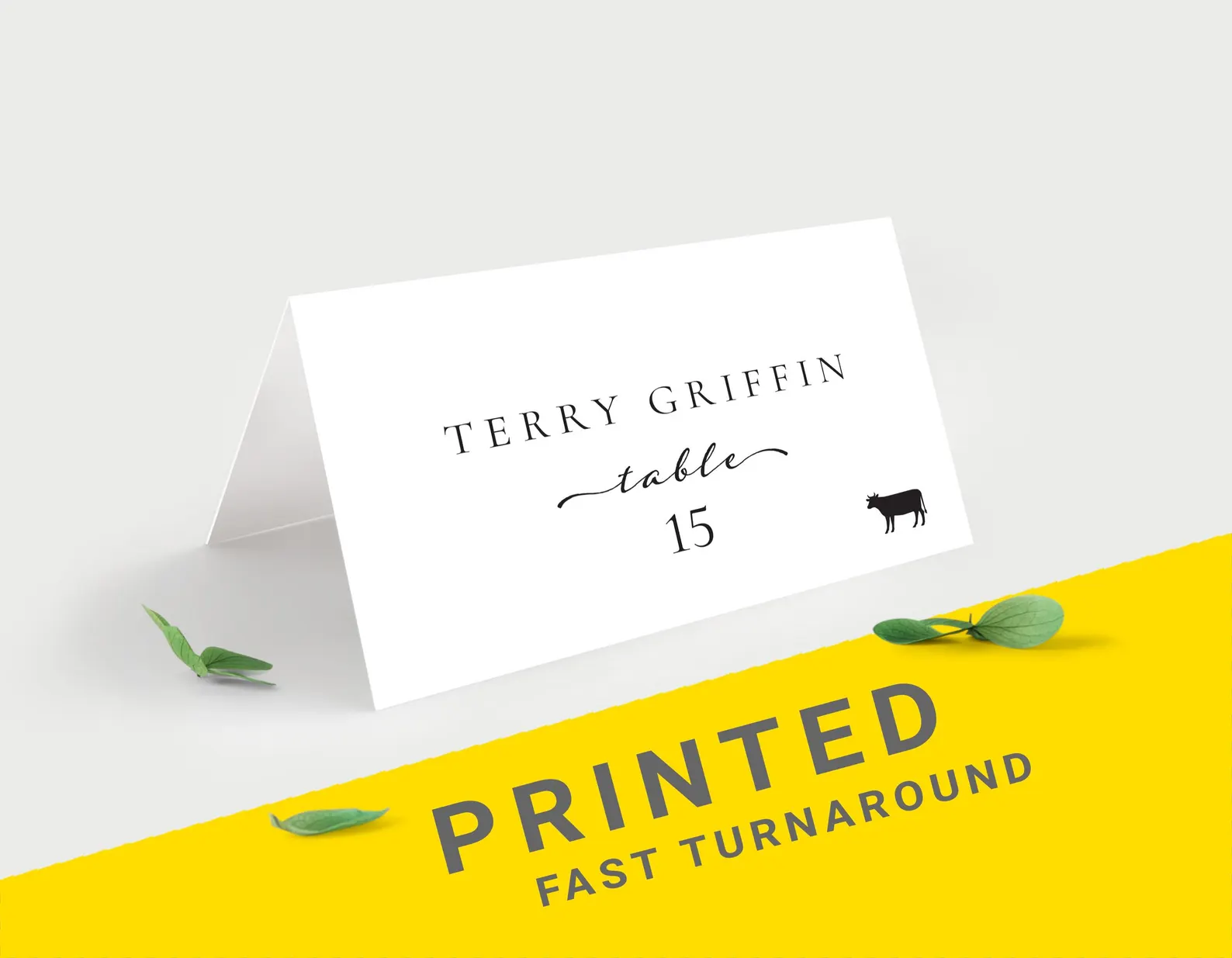
Pro tip: Have your place cards (or escort cards) professionally printed by Etsy. I have seen thousands of place cards in my time as a wedding planner, and the biggest mistake I see over and over is couples printing the cards with hard-to-read or illegible writing or symbols indicating the meal selection. Keep in mind that the catering servers need to be able to read the card from a distance and often in poor lighting. Make it easy to read! Leave the formatting and printing to a professional. It will be crunch time right before your wedding, and you do not need the added task of painstakingly printing out the place cards.
Shop Etsy for a wide variety of printed place cards.
4. Forgetting About Your VIPs
Your closest people- parents, grandparents, and bridal party- shouldn’t feel like an afterthought.
What works: Designate great-view, easily accessible tables for them. Whether you have a head table, sweetheart table, or family-style seating, make sure they feel honored and special.
Read this blog on the top 10 Wedding Planning Problems and how to fix them.
5. Overstuffing Tables
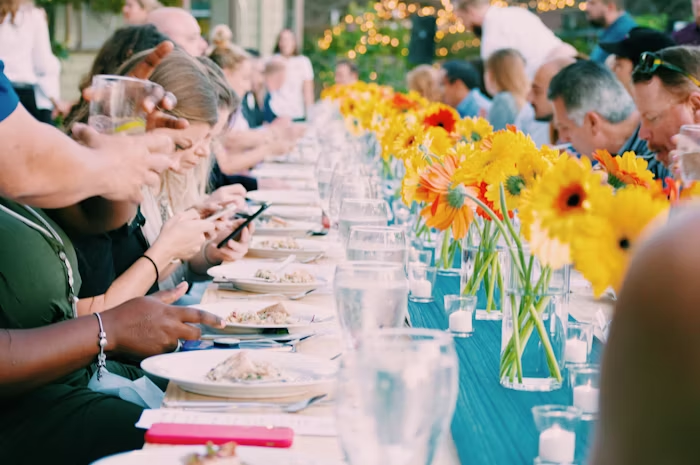
Just because a table seats 10 doesn’t mean it comfortably seats 10, especially with chargers, centerpieces, and glassware.
Do this instead: Round down. Leave breathing room for guests to eat and move without elbow battles.
6. Not Planning for Last-Minute Changes
Unexpected plus-ones or last-minute no-shows are common.
Pro solution: Set aside a “swing table” with a couple of open seats. If unused, just remove the place settings before dinner begins, or leave them; no one will notice.
7. Seating Young Adults at the Kids’ Tables
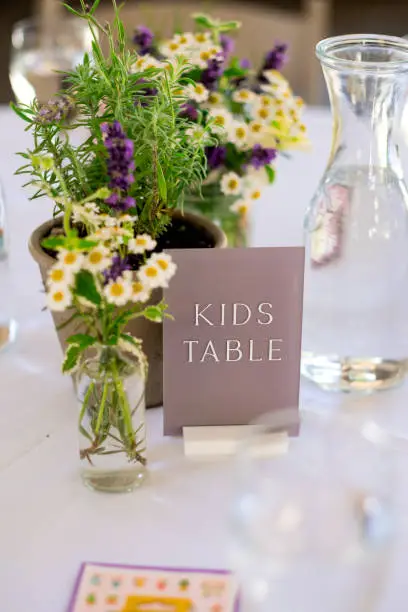
Putting college-aged cousins with toddlers can come off as dismissive.
Try this: Group twenty-somethings together or seat them with family and friends they know. Keep the kids’ table exclusively for little ones under 10. Also, provide some activities at this table to keep the little ones engaged.
8. Trying to Force New Friendships

Mixing strangers “just to help them mingle” usually backfires.
Better idea: Let people sit with those they know or have something in common with. Weddings are a celebration, not a networking event or the high school cafeteria.
9. Placing Guests at the Outskirts with No Connection
Outlying tables can feel like social exile, especially if they’re full of strangers.
Fix this by including friendly, outgoing guests or bridal party members at those tables to help keep the energy elevated.
10. Not Prioritizing Accessibility
Guests with mobility issues or older guests should have clear paths, comfortable seating, and visibility of the main events.
Plan for: Proximity to restrooms, wide aisles, no loudspeakers nearby, and chairs removed ahead of time for wheelchairs.
11. Making the Seating Chart Hard to Find
If guests can’t find the chart quickly, it causes delays and confusion. Many couples display their seating chart on a large sign with an easel at the entrance to the reception. Etsy will create a beautiful, customized seating chart sign for you.
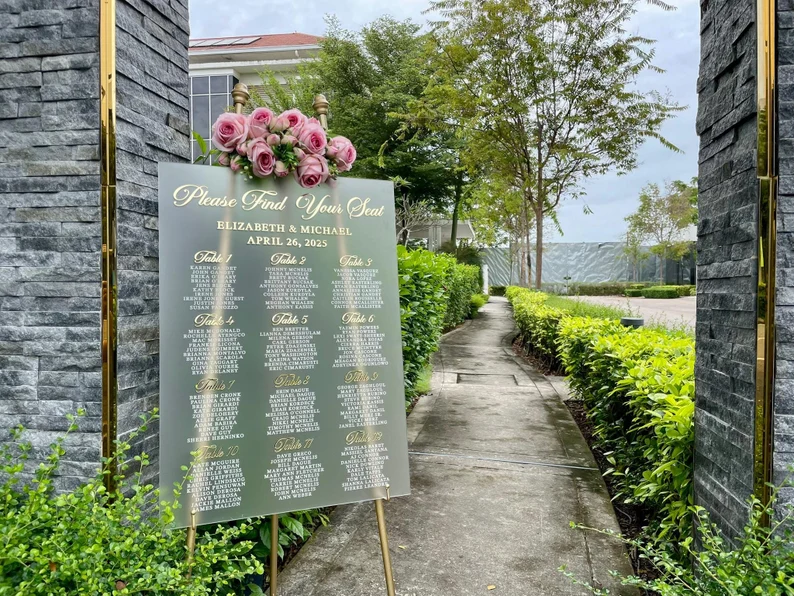
Pro tip: Place your seating chart in a high-traffic area during cocktail hour, where everyone will pass by, near the entrance, bar, or escort card table.
12. Designing a Seating Chart That is Hard to Read
Shop for a professional, stylish seating chart on Zazzle. It makes a great first impression.
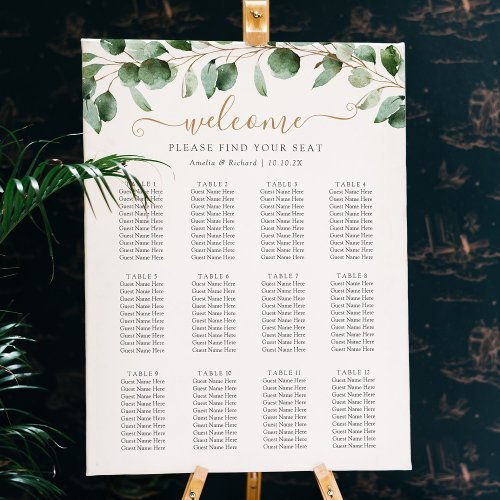
Acrylic on glass with no contrast, or cursive so fancy it’s unreadable. Beautiful, but impractical. Better to have something made for you. Just make sure the RSVPs are finalized before you go to print.
Be smart: Use high-contrast backgrounds and easy-to-read fonts. Alphabetize names for faster look-up, especially for larger guest counts. Always put escort cards in alphabetical order by last name, not in table number order.
13. Creating a Singles Table
A table full of single guests who don’t know each other is awkward at best. Don’t put your guests in this situation.
Better option: Mix singles into tables where they know someone or share common interests. Romance happens naturally; no need to force it.
14. Forgetting About Guest Dynamics (AKA drama)
Be thoughtful about: Divorced Parents and exes, family rifts, friends who have had a falling out. Ask both sides of the family to help identify potential trouble spots.
WedSites is a great site to create your wedding website, and it helps you with your seating plan. It is free!
When Should You Create Your Wedding Seating Chart?
Most couples should start creating their seating chart about three to four weeks before the wedding, once RSVPs are finalized. Begin by grouping guests who already know each other, then adjust the layout based on table size and venue floor plan.
Waiting until the final week often leads to rushed decisions and unnecessary stress.
Step-by-Step Process for Creating a Wedding Seating Chart
Creating a wedding seating chart can feel overwhelming, but breaking it into steps makes it much easier.
Step 1: Finalize your guest list
Do not start your seating chart until RSVPs are complete.
Step 2: Group guests who know each other
Start with family, close friends, and the bridal party.
Step 3: Place VIP tables first
Seat parents, grandparents, and the wedding party near the head table or sweetheart table.
Step 4: Fill the remaining tables logically
Seat guests with others they know or have something in common with.
Step 5: Leave a few seats open
Unexpected guests and last-minute changes happen often.
Tools That Make Creating a Seating Chart Easier
If you’re feeling overwhelmed, using a digital seating chart tool can save hours and prevent costly mistakes.
Look for tools that allow you to:
- Drag and drop guests between tables
- Visualize your floor plan
- Track RSVPs in one place
- Make last-minute changes easily
Expert Tips for a Seamless Seating Plan
- Start as soon as your RSVPs are complete; don’t wait until the week before your wedding.
- Use tools like AllSeated, Zola, or The Knot to visualize your layout.
- Print out name cards or labels and move them around physically if needed.
- Create categories (friends, family, coworkers) to stay organized.
- Have a backup plan for seating changes on the day of your wedding.
- Leave a few empty spots. Add a swing table with at least 2 open seats in case someone brings a plus one you did not expect.
- Use place cards effectively. Too many symbols on a place card can be overwhelming and confusing. Make them clear and easy to read.
You may also like this blog on wedding welcome bags. Welcome bags are a great way to say “thank you for coming to our wedding” to those out-of-town guests. They have put in a lot of time and money to attend your wedding. The wedding welcome bags set a nice, welcoming tone to the weekend.
Related Wedding Planning Tips You Shouldn’t Miss
If you’re working on your seating chart, these guides will help you plan the rest of your reception smoothly:
- How to create a wedding timeline that actually works
- Wedding reception layout ideas for better flow
- Wedding guest list tips to avoid stress
Frequently Asked Questions About Wedding Seating Charts
The easiest way to organize a wedding seating chart is to group guests by relationships such as family, friends, and coworkers. Once groups are formed, place guests at tables where they already know someone. This helps conversations flow naturally and keeps guests comfortable throughout dinner.
Yes. Most wedding planners recommend listing guests alphabetically by last name on seating charts. This allows guests to quickly find their name and table number without scanning the entire chart.
Most round reception tables comfortably seat 8 guests. While many venues advertise seating for 10, leaving extra space creates a more comfortable dining experience, especially when chargers, centerpieces, and glassware are on the table.
No. Assigned seating is considered standard etiquette for most weddings. It actually helps guests feel more comfortable because they know exactly where to go and who they will be sitting with.
After planning hundreds of weddings, one thing is always true: guests remember how they felt at your wedding.
A well-planned seating chart:
- Makes guests feel comfortable immediately
- Encourages natural conversation
- Keeps the reception flowing without delays
A poorly planned one creates confusion, awkwardness, and unnecessary stress.
When in doubt, always prioritize comfort over aesthetics.
Next, read wedding seating charts for every style. and
How to create a seating chart with awkward family dynamics.
Final Thoughts
The best wedding seating is logical, because everything just works. Avoiding these seating plan mistakes means fewer awkward moments, less stress, and more enjoyment for you and your guests.
Whether you’re hosting 30 guests or 300, the way you seat them matters. Take your time, start early, and use this guide to avoid the most common pitfalls. Thoughtful seating shows your guests you care and helps your wedding flow effortlessly from start to finish.
Follow me on Pinterest for more wedding planning tips.
Read this blog on the 10 problems engaged couples face.
WedSites is a great place to set up your free wedding website.
Chris Ramsay is a wedding planner with over 35 years of experience in hospitality, country clubs, and event planning. She shares practical wedding advice, budget-friendly ideas, and real-world tips to help couples plan stress-free weddings at Well Chosen Weddings. Learn more about her on her about page.