

Planning a wedding is exciting, but if you are newly engaged, it can also feel like you suddenly have a thousand decisions to make and no idea where to begin.
How much should you spend? Which vendors should you book first? When should you send invitations? What happens if something goes wrong on the wedding day?
These are questions almost every couple faces during the planning process.
After more than 35 years of experience in wedding planning and event coordination, I’ve learned that a beautiful wedding isn’t simply about choosing the right flowers, finding the perfect dress, or selecting a gorgeous venue. It is about making thoughtful decisions, understanding how all the pieces fit together, and creating an experience that you and your guests can enjoy.

I have also learned that wedding planning is a skill. You do not have to know everything when you begin. As you learn more, ask questions, and make decisions, the process becomes much more manageable. Don’t forget to ask questions; that is how you learn.
I have put together answers to some of the most common wedding planning questions to help you move forward with more confidence and a little less stress.
Getting Started with Wedding Planning
1. Where should I start when planning my wedding?
Start with a conversation with your partner. Before looking at venues, flowers, dresses, or decorations, talk about the kind of wedding you both want.
Consider your preferred wedding style, approximate guest count, budget, and the time of year you’d like to get married.
You don’t need to have every detail figured out. You simply need a starting point.
Once you have a general direction, establish a realistic budget and begin researching venues. Your venue, guest count, and budget will influence many of the decisions that follow.
If you are feeling overwhelmed, don’t worry. You don’t have to plan the entire wedding today. Take it one decision at a time. I am here to help.
Helpful resource: The Ultimate Wedding Planning Guide
2. How far in advance should I start planning my wedding?
Ideally, begin planning 12 to 18 months before your wedding, particularly if you have your heart set on a popular venue or a Saturday during peak wedding season.
This gives you more time to compare venues, research vendors, make decisions, and spread expenses over a longer period.
However, you don’t need 18 months to have a wonderful wedding. A six-month engagement can work very well if you’re organized, flexible, and prepared to make decisions efficiently.
The most important thing is to establish your priorities and understand which decisions need to happen first.
Helpful resources:
12-Month and 6-Month Wedding Planning Timeline
How to Plan a Wedding in 6 Months
3. Do I really need a wedding planner?
Not every couple needs a full-service wedding planner. It depends on your wedding’s size, complexity, and budget, as well as how comfortable you are managing multiple vendors and deadlines.
Some couples enjoy handling the planning themselves. Others appreciate having a professional guide them through the process, handle logistics, and coordinate the wedding day.
Even if you decide to plan everything yourself, consider hiring a day-of or month-of coordinator. Having someone responsible for managing the schedule, communicating with vendors, and handling unexpected issues can make a tremendous difference.
One thing I always tell couples: You should be enjoying your wedding day, not managing it.
Helpful resource: How to Plan a Wedding Without a Wedding Planner
Wedding Budgets and Money
4. How much should I budget for my wedding?
There isn’t one budget that works for every couple. Wedding costs vary considerably depending on your location, guest count, venue, food and beverage choices, and overall expectations.
The best place to begin is with an honest conversation about how much you can comfortably afford to spend.
If family members are contributing, establish those amounts before making commitments.
Next, create a budget that accounts for all the major expenses, including:
- Venue and catering
- Bar service and beverages
- Photography and videography
- Wedding attire and alterations
- Flowers and decorations
- Entertainment
- Invitations and stationery
- Transportation
- Hair and makeup
- Officiant and ceremony expenses
- Rentals and additional services
Remember to leave room for unexpected expenses. Small additions can accumulate quickly, and you do not want to spend your entire budget before the final details are addressed.
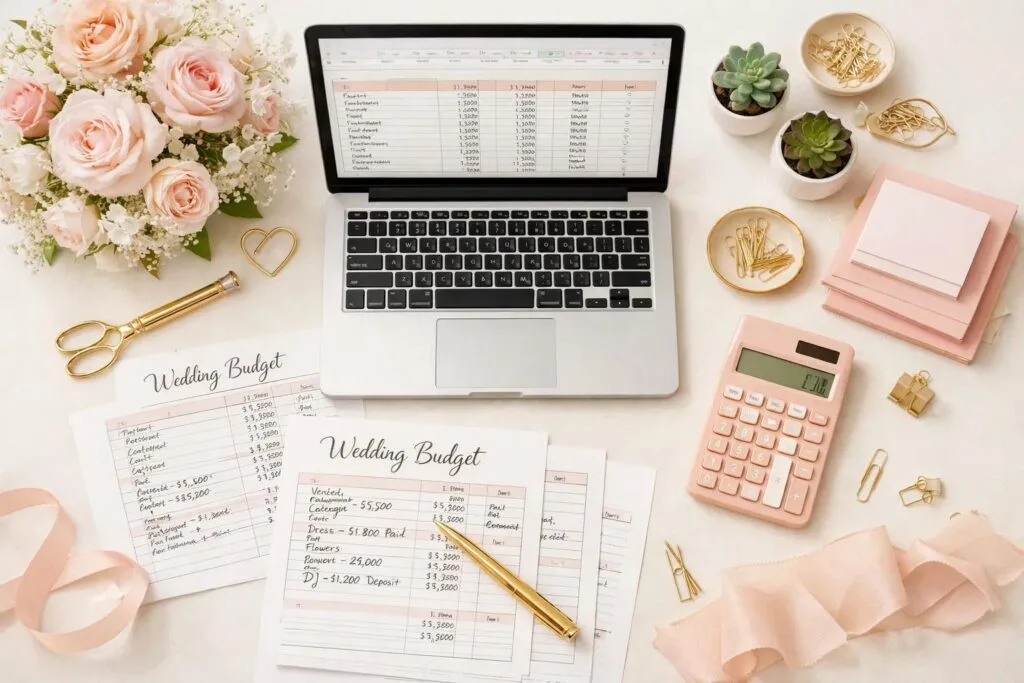
Need Help Keeping Your Wedding Budget Organized?
Knowing how much you can spend is just the beginning. Keeping track of where your money is going is what helps you stay on course.
I’ve created a Wedding Budget Planner to help you organize your expenses, track payments, and keep your wedding spending under control. Instead of juggling numbers in different notebooks or spreadsheets, you can keep your wedding finances organized in one convenient place.
It’s a practical tool to help you make informed decisions and feel more confident throughout the planning process.
Explore the Wedding Budget Planner
Helpful resource: Wedding Budget Tips: How to Create a Realistic Wedding Budget
5. What are the best ways to save money on a wedding without sacrificing quality?
You can have a beautiful wedding without spending money on every available upgrade.
In my experience, some of the best savings come from making thoughtful choices rather than simply choosing the cheapest option.
Consider these ideas:
- Choose a Friday, Sunday, or off-season wedding date.
- Reduce your guest count. Every additional guest affects food, beverages, seating, and other expenses.
- Consider a smaller cutting cake with a sheet cake served to guests.
- Reuse ceremony flowers and decorations at the reception.
- Simplify printed materials such as programs and menus.
- Look for wedding attire that doesn’t require extensive custom work.
- Ask venues what is included before purchasing additional rentals.
I have seen couples save thousands by being creative with flowers, choosing less expensive dates, and making practical decisions about their reception.
The goal isn’t to make your wedding look inexpensive. It’s to spend your money where it matters most to you.
6. What unexpected wedding expenses should I plan for?
Some of the biggest budget surprises aren’t the major purchases. They’re the smaller expenses couples overlook when creating their initial budget.
These may include:
- Alterations and accessories for wedding attire
- Postage for invitations and additional inserts
- Taxes and service charges
- Gratuities
- Vendor meals
- Transportation and parking
- Additional rental items
- Overtime charges
- Setup and cleanup fees
- Last-minute purchases
Ask every vendor for a complete breakdown of charges before signing a contract. Make sure you understand what is included and what may cost extra.
I recommend keeping a buffer amount in your budget rather than assuming every expense will come in exactly as expected.
Helpful resource: Wedding Budget Tips
Wedding Venues and Vendors
7. When should I book my wedding venue?
Your venue should be one of your first major bookings.
Many popular wedding venues book 12 to 18 months in advance, and some fill their most desirable dates even earlier.
Before booking, consider your guest count, overall budget, location, and the type of wedding you envision.
Do not choose a venue based solely on how beautiful it looks in photographs. Think about how the space will function throughout the day.
Consider parking, guest accessibility, restrooms, food service, ceremony locations, and the flow between cocktail hour and the reception.
A beautiful venue that does not function well can create unnecessary challenges.
Helpful resource: How to Choose the Perfect Wedding Venue
8. Which wedding vendors should I book first?
Your venue is generally the first major booking because it establishes your date and often determines many of your other decisions.
After securing your venue, prioritize vendors whose availability is limited or whose services are especially important to you.
These typically include:
- Photographer and videographer
- Caterer, if not provided by your venue
- DJ or band
- Florist
- Wedding planner or coordinator
- Officiant
The order may vary depending on your priorities and what your venue already provides.
Before paying a deposit, read the contract carefully. Understand exactly what you are purchasing, when payments are due, and what happens if either party needs to cancel or make changes.
9. What questions should I ask before booking a wedding venue?
Do not be afraid to ask questions. You are making a significant financial commitment, and you deserve to understand exactly what you are getting.
Some important questions include:
- What is included in the rental price?
- Are tables, chairs, linens, and other rentals included?
- Are there required food and beverage minimums?
- Can we choose our own vendors?
- What time can vendors begin setting up?
- Are there additional charges for overtime?
- What is the cancellation or postponement policy?
- Is there an indoor backup plan for an outdoor ceremony?
- Who will be our main contact on the wedding day?
Get the answers in writing whenever possible.
Helpful resource: How to Choose the Perfect Wedding Venue
Wedding Day Planning
10. Do I really need a wedding day timeline?
Absolutely.
A wedding day timeline is one of the most important planning tools you can have. It keeps vendors informed, helps everyone understand where they need to be, and allows the day to move from one event to the next without unnecessary confusion.
Your timeline should include getting ready, photography, transportation, the ceremony, cocktail hour, dinner, speeches, special dances, and the final send-off.
It should also account for setup, travel, and transitions between events.
One mistake I frequently see is couples trying to squeeze too much into too little time. Build in extra time wherever possible. A schedule that looks perfect on paper can quickly become stressful when one small delay affects everything that follows.
Helpful resource: Wedding Day Timeline Template
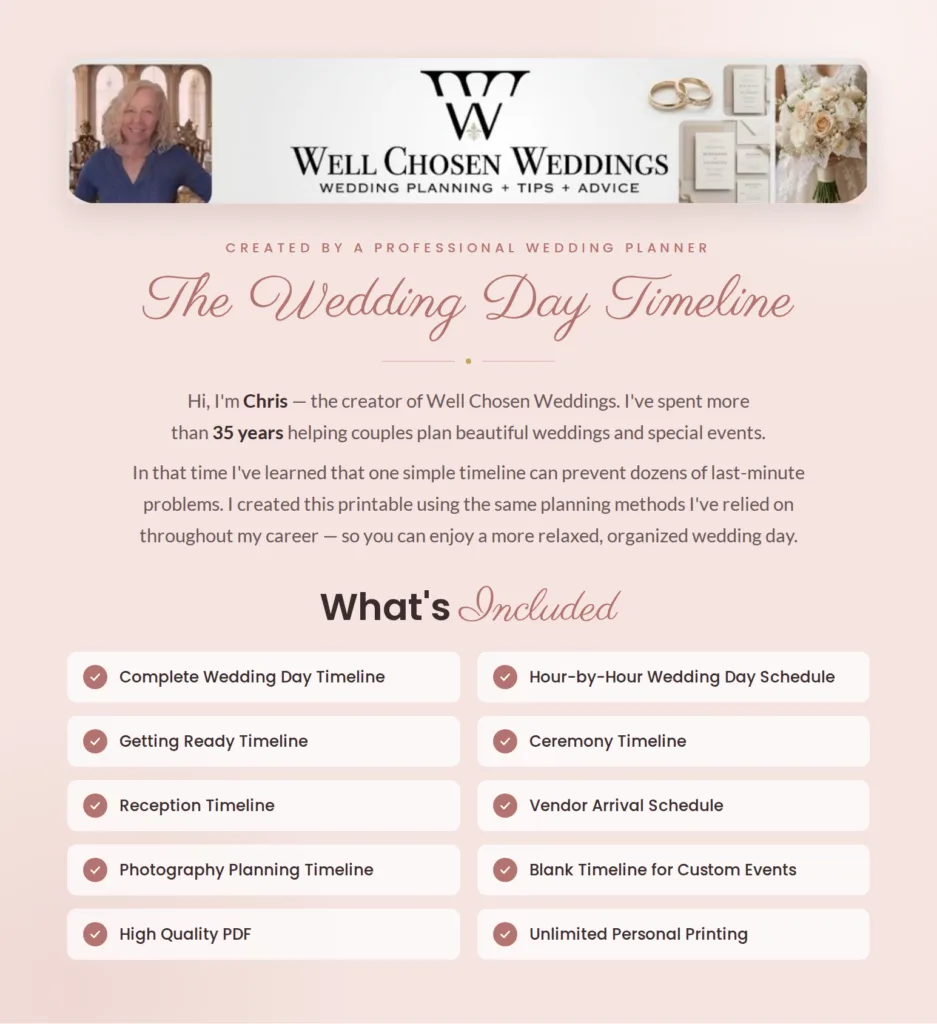
Make Your Wedding Day Schedule Easier to Manage
A well-organized wedding day timeline helps keep everyone on the same page, from your photographer and DJ to your venue coordinator and other vendors.
But creating that timeline from scratch can feel overwhelming, especially when you are trying to coordinate multiple people, events, and responsibilities.
My Wedding Day Timeline is designed to help you organize the important details, establish a schedule, and keep everything moving in the right direction.
It is one less thing you have to figure out on your own.
Explore the Wedding Day Timeline
11. How do I make sure my wedding day runs smoothly?
The secret is not expecting everything to go perfectly. It is having a plan and making sure the right people know their responsibilities.
Before the wedding:
- Confirm all vendor arrival times.
- Distribute the final timeline.
- Make sure everyone knows where they need to be.
- Assign someone to handle questions and unexpected problems.
- Confirm transportation arrangements.
- Prepare an emergency kit.
- Review the schedule with your coordinator or designated point person.
Most importantly, do not make yourself the person everyone comes to with questions.
You have spent months planning this day. You deserve to enjoy it.
12. What happens if it rains on my wedding day?
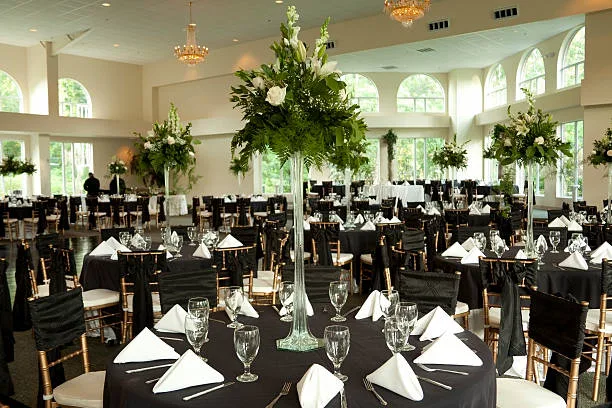
If you are planning an outdoor wedding, you need a backup plan before your wedding day arrives.
This is especially important for outdoor ceremonies, cocktail hours, and receptions.
Ask your venue what happens if the weather does not cooperate. Is there an indoor alternative? How quickly can the space be prepared? Who decides to move the event indoors?
Don’t leave these decisions until the morning of your wedding.
I have seen how quickly weather can change an event’s logistics. Having a good plan in place makes it much easier to handle unexpected conditions without creating panic.
Remember, your guests will remember celebrating with you far longer than they will remember whether your ceremony took place outside.
Family, Relationships and Wedding Planning Stress
13. How do I keep wedding planning from becoming overwhelming?
First, take a breath. It is perfectly normal to feel overwhelmed when you begin planning something you have never done before. Take it one step at a time.
Think about learning a new language or taking up a new sport. At first, everything feels unfamiliar. You do not know all the terminology, you are not sure which decisions matter most, and you may feel like everyone else knows something you don’t.
Wedding planning is similar.
As you learn the process, ask questions, and make decisions, you become more knowledgeable, comfortable, and confident.
Break the planning into smaller stages. Focus on what needs to be done now rather than worrying about everything that still needs to happen months from now.
And please remember that your health and your relationship are more important than any wedding detail.
In my years of working with couples, I’ve seen stress take a serious toll. I’ve seen brides become so overwhelmed that they experience significant weight loss and even hair loss. I’ve also seen wedding disagreements create lasting damage to relationships with mothers, bridesmaids, and other family members.
Your wedding should be a celebration, not something that makes you physically or emotionally unwell.
Protect your time together. Take breaks from planning. Make decisions as a team, and don’t be afraid to ask for help.
Helpful resource: Wedding Planning Stress: How to Enjoy the Journey
14. How do I handle family members who want to control my wedding?
This can be one of the most difficult parts of wedding planning.
Family members may have strong opinions about the guest list, traditions, ceremony, reception, or how money should be spent.
Sometimes their intentions are good, but their expectations do not always match what you and your partner want.
Start by having an honest conversation with your partner about what matters most to both of you.
If someone is contributing financially, discuss expectations before accepting the money. Financial contributions should not automatically mean that someone else gets to make every decision.
Be respectful, but establish boundaries.
You can listen to someone’s opinion without agreeing to it.
Remember that this is your wedding and the beginning of your life together. Do not allow disagreements over flowers, seating arrangements, or traditions to damage relationships that matter to you.
15. How do I keep wedding planning from affecting my relationship?
Make a conscious effort to keep your relationship at the center of the experience.
It’s easy for wedding planning to become the only thing you talk about. There are always more decisions, deadlines, and details to discuss.
Set aside time when wedding planning is completely off the table.
Go on dates. Enjoy ordinary evenings together. Talk about your future beyond the wedding.
When you disagree, remember that you are on the same team. You do not have to have identical opinions about every detail.
Some decisions will matter more to one of you than the other. Learn to recognize those differences and decide together where to compromise.
The wedding lasts one day. Your marriage is what you are building.
Guest Experience and Wedding Details
16. How do I make sure my wedding guests have a good experience?
Think about your wedding from your guests’ perspective.
From the moment they arrive, they should feel welcomed, comfortable, and informed.
Consider practical details such as:
- Convenient parking and clear directions
- Comfortable seating
- Appropriate accommodations for guests with mobility needs
- A well-paced timeline
- Enough time between ceremony and reception events
- Food and beverages that meet your guests’ needs
- Clear communication about dress codes and transportation
A beautiful wedding is wonderful, but a comfortable and thoughtfully organized wedding is what makes guests feel appreciated.
You do not need to spend a fortune on elaborate extras. Often, the simplest details make the biggest difference.
Helpful resource: The Ultimate Wedding Guest Experience Guide
17. How much time should I allow between my ceremony and reception?
This depends on your schedule, location, photography plans, and whether your ceremony and reception take place at the same venue.
If both events are at the same location, a cocktail hour of approximately one hour is common.
If guests need to travel between locations, allow enough time for transportation, parking, and arrival.
One thing to avoid is leaving guests with a long period of time with nowhere to go and nothing to do and nothing to eat and drink.
Think through the entire guest experience, not just the individual events.
18. What wedding details do couples often forget?
It’s often the practical details that get overlooked because couples are focused on the more exciting decisions.
Some commonly forgotten items include:
- Vendor meals and meal timing
- Transportation arrangements
- A designated person to collect gifts and cards
- Who takes home personal belongings and decorations
- Emergency supplies
- Vendor setup and breakdown schedules
- Final payments and gratuities
- A plan for leftover food, flowers, and personal items
- If you make last-minute changes, be sure to communicate those changes to everyone involved
Create a list of responsibilities and assign someone to each task.
You do not want to be figuring out who is taking home the card box while you’re trying to enjoy your reception.
Final Thoughts: Enjoy the Wedding Planning Journey
Wedding planning is about so much more than choosing a venue, selecting flowers, and deciding what to serve for dinner.
It is an opportunity to learn about each other, establish priorities, make decisions together, and prepare for the life you’re building.
There will be decisions you find easy and others that take more time. There may be disagreements, unexpected expenses, and moments when you wonder whether you will ever get everything finished.
That’s okay.
You don’t have to be an expert when you begin. You just need to be willing to learn, take things one step at a time, and remember why you’re doing all of this in the first place.
After more than 35 years in this industry, one thing I know for certain is that the most memorable weddings aren’t necessarily the ones with the biggest budgets or the most elaborate decorations. They’re the ones where the couple can relax, enjoy the people they love, and truly experience the day they’ve worked so hard to create.
You deserve that, too.
If you need a little guidance along the way, explore the wedding planning resources at Well Chosen Weddings. I’m here to help you make sense of the process, make confident decisions, and enjoy more of the journey.
Happy planning!
Chris Ramsay
Well Chosen Weddings
Wedding Planning + Tips + Advice
Chris Ramsay is a wedding planner with over 35 years of experience in hospitality, country clubs, and event planning. She shares practical wedding advice, budget-friendly ideas, and real-world tips to help couples plan stress-free weddings at Well Chosen Weddings. Learn more about her on her about page.