Thoughtful wedding ceremony planning ensures your day feels intentional, organized, and deeply meaningful.
If you’re wondering how to plan a wedding ceremony, what the traditional ceremony order looks like, or how to make your ceremony feel personal and memorable, this wedding ceremony planning guide will walk you through everything step-by-step.
The reception is about celebration. The ceremony is about meaning.
After more than 35 years working in weddings, from high-end country clubs to intimate backyard ceremonies, I can tell you this: when couples thoughtfully plan their ceremony, the entire wedding day feels more intentional and emotionally powerful.
Below is a typical wedding ceremony layout diagram showing where the bride, groom, maid of honor, best man, and wedding party stand during the ceremony.
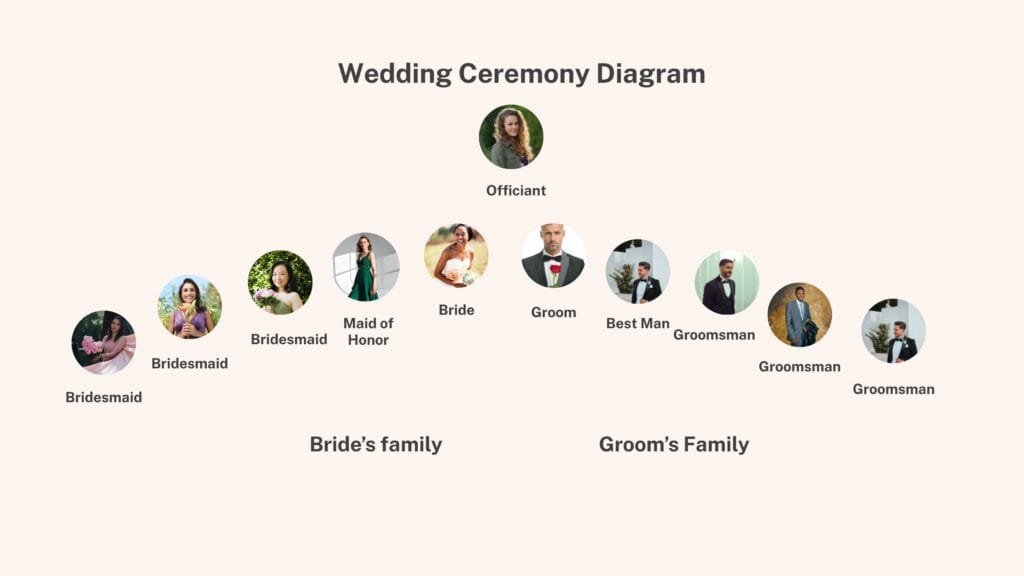
You can use this as a guide when planning your wedding ceremony. If this does not feel right to you, adjust as you wish.
This guide will walk you through how to plan a wedding ceremony step-by-step, explain the traditional and modern wedding ceremony order, and help you avoid common mistakes, especially if you’re planning an outdoor ceremony.
This post contains affiliate links. I earn a commission on purchases made through these links at no additional cost to you.
Why Wedding Ceremony Planning Matters
The ceremony is the emotional centerpiece of your wedding day.
It’s the moment when guests lean forward in their chairs, when parents tear up. It’s when everything becomes real.
Yet many couples spend months choosing centerpieces and signature cocktails, and only a few hours thinking about the ceremony structure.
Thoughtful wedding ceremony planning ensures:
- The flow feels natural
- The length feels appropriate
- Guests stay engaged
- The tone reflects your relationship
- Logistics don’t distract from the moment
When done well, the ceremony feels effortless. But behind that effortlessness is intentional planning.
How to Plan a Wedding Ceremony Step-by-Step
Be sure to read the wedding ceremony order guide.
Step 1: Decide the Style and Structure
Before choosing readings or music, decide what kind of ceremony you want.
- Is it traditional and faith-based?
- Modern and non-religious?
- Interfaith?
- Cultural?
- Intimate and brief?
Your answers will shape everything else, from officiant selection to ceremony length to script structure.
For example, a traditional church ceremony may have required elements and an established order, while a secular outdoor ceremony allows much more flexibility.
If you’re planning a smaller celebration, this pairs beautifully with a micro wedding format.
This blog is all about planning a micro wedding.
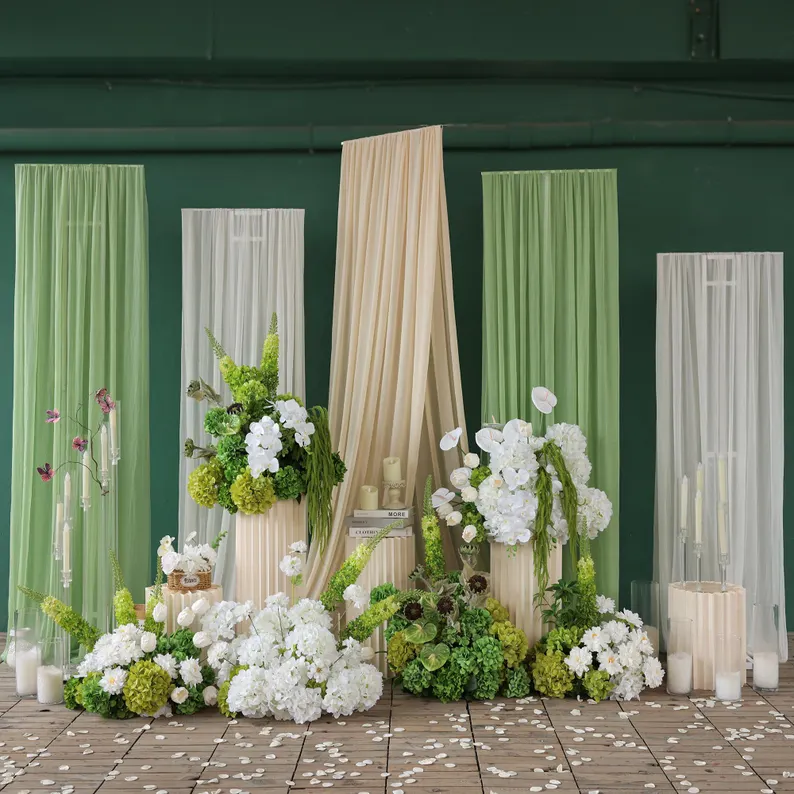
For ceremony decor including aisle lanterns, floral chair markers, and arch florals, Etsy has a wide selection of handmade and customizable options that suit every style and budget. Etsy has a lot to choose from.
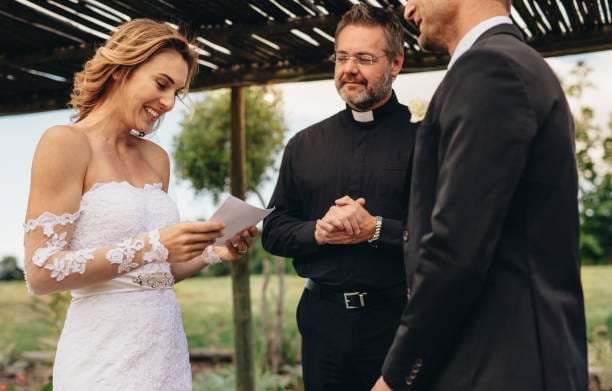
Step 2: Choose the Right Officiant
Your officiant does more than read a script; they set the tone.
A strong officiant:
- Speaks clearly and confidently
- Knows how to guide nervous couples
- Keeps the ceremony moving
- Understands timing
When selecting your officiant, think about personality fit just as much as credentials. Schedule a conversation (ideally a video call or in-person meeting) and ask yourself:
- Do we feel comfortable with this person?
- Do they understand our vision?
- Are they open to personalization?
- Do they have sample scripts we can review?
If you’re asking a friend or family member to officiate, make sure they understand the legal responsibilities in your state and are willing to rehearse. Being charismatic at dinner is very different from leading a structured ceremony in front of 150 guests.
Another important consideration is preparation time. Professional officiants typically provide structured guidance, script templates, and timeline coordination. A friend may need more direction from you, which can add stress if you’re already juggling other wedding details.
Finally, confirm whether your officiant attends the rehearsal. This is not optional in my professional opinion. Rehearsal ensures:
- Everyone knows where to stand
- The processional timing is smooth
- Microphone logistics are handled
- There are no awkward pauses
The right officiant makes the ceremony feel natural and seamless. The wrong one can unintentionally make it feel stiff, disorganized, or overly long.
This is one of the most important vendor decisions you’ll make for your ceremony; choose thoughtfully.
Understanding the Wedding Ceremony Order
Most ceremonies follow a basic structure, even when personalized.
Traditional Wedding Ceremony Order:
- Prelude music as guests arrive
- Processional (wedding party entrance)
- Welcome and opening remarks
- Readings or scripture
- Exchange of vows
- Ring exchange
- Unity ceremony (optional)
- Pronouncement of marriage
- First kiss
- Recessional
The key isn’t rigid tradition; it’s logical progression.
Guests should feel guided from anticipation to emotional connection to celebration.
Understanding the traditional wedding ceremony order helps couples plan a ceremony that feels smooth, meaningful, and easy for guests to follow.
This blog on 25 cute wedding ideas has some great touches you can add to your big day
What Happens During a Wedding Ceremony? (Step-by-Step Explanation)
If you want guests to easily follow along with your ceremony, printed wedding programs can be a helpful addition. Many couples choose simple, elegant designs that match their wedding theme. You can browse customizable options here. Etsy Wedding Programs.
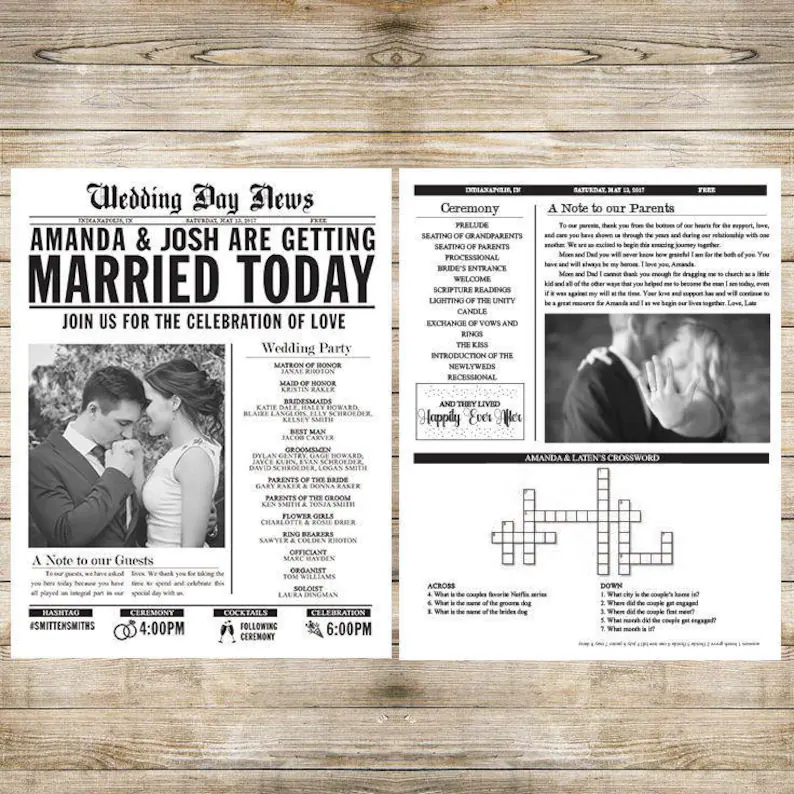
Many couples understand the basic wedding ceremony order, but it can be helpful to know what each part of the ceremony actually includes.
Many couples share their ceremony order and logistics through their wedding website rather than printed programs. WedSites offers a free, beautifully designed wedding website platform that keeps guests informed about ceremony details, venue directions, and the day-of schedule.
Here is a simple breakdown of what typically happens during each stage of a wedding ceremony.
Prelude
Prelude music plays as guests arrive and take their seats. This usually begins about 15–20 minutes before the ceremony starts and helps create a relaxed atmosphere while guests settle in.
Processional
The processional is when the wedding party walks down the aisle. This typically includes parents, the wedding party, and finally the bride.
Music cues are especially important during this portion of the ceremony to ensure smooth timing.
Opening Remarks
Once everyone is in place, the officiant welcomes guests and may briefly speak about the couple, the meaning of marriage, or the purpose of the ceremony.
This sets the tone for the rest of the ceremony.
Readings or Scripture
Some couples include meaningful readings, poems, or scripture passages. These are often performed by close friends or family members.
Readings can add a personal touch and help reflect the couple’s values or relationship story.
Exchange of Vows
The vows are the emotional heart of the ceremony. Couples may choose traditional vows or write their own.
Personal vows are increasingly popular because they allow couples to express their commitment in their own words. If you would like to consider writing your own wedding vows, this blog covers wedding vows and speeches.
Ring Exchange
The couple exchanges wedding rings as a symbol of their marriage commitment.
The officiant may explain the symbolism of the rings before the exchange takes place.
Unity Ceremony (Optional)
Some couples choose to include a unity ritual, such as:
- Unity candle
- Sand ceremony
- Handfasting
- Wine ceremony
This symbolizes the joining of two lives into one.
Pronouncement of Marriage
After vows and rings are exchanged, the officiant formally pronounces the couple married.
This is often followed by the announcement of the couple’s new married name.
The First Kiss
This is usually the most anticipated moment for guests and photographers.
It marks the official completion of the ceremony.
Recessional
The recessional is when the newly married couple and the wedding party exit the ceremony.
This is typically accompanied by upbeat music and signals the transition into the celebration portion of the wedding day.
Wedding Ceremony Processional Order (Who Walks Down the Aisle)
One of the most common questions couples ask is:
Who walks down the aisle and in what order?
While every wedding is different, most ceremonies follow a similar processional structure.
Typical Processional Order
- Officiant
- Groom (with parents or best man)
- Grandparents
- Parents of the groom
- Mother of the bride
- Wedding party
- Maid of honor
- Ring bearer/flowergirl
- Bride
Your ceremony diagram above can help visualize where everyone stands once they reach the altar.
Modern Wedding Ceremony Outline Example
Many couples today prefer a streamlined, personalized format.
A modern ceremony outline often includes:
- Warm welcome and a short love story
- One meaningful reading
- Personal vows
- Ring exchange
- Brief unity ritual
- Pronouncement and celebratory recessional
This format typically runs 18–25 minutes, which is ideal for guests’ attention span.
Long enough to feel meaningful. Short enough to stay engaging.
This structure keeps the ceremony flowing naturally and prevents awkward pauses or confusion.
You do not need to perform the entire ceremony; just clarify transitions.
Key Elements of a Wedding Ceremony Script
Whether your ceremony is religious, secular, or interfaith, most ceremonies include several core script elements.
These typically include:
- Opening welcome
- Remarks about the couple
- Readings or scripture
- Exchange of vows
- Ring exchange
- Unity ceremony (optional)
- Pronouncement of marriage
Your officiant will usually guide you through this structure, but understanding the components helps couples personalize their ceremony in meaningful ways.
Outdoor Wedding Ceremony Planning Tips
Outdoor wedding ceremony planning requires additional logistics.
Nature is beautiful, but unpredictable.
This blog on Garden Weddings will explain what to watch out for when planning an outdoor ceremony.
Always Create a Real Backup Plan
A “we’ll decide that morning” strategy is not a plan.
Have:
- A confirmed indoor location
- Or a tent reserved in advance
- A weather decision deadline
Communicate this clearly with vendors.
Prioritize Guest Comfort
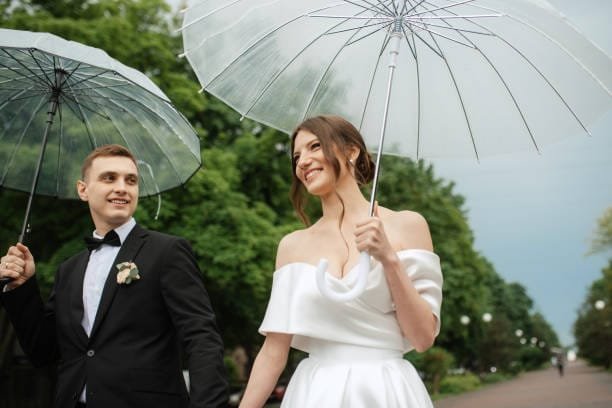
Consider these items from Amazon & Etsy:
Uncomfortable guests become distracted guests. These small comfort details make a noticeable difference in guest experience, and they’re simple to plan in advance.
Invest in Proper Audio
Wind absorbs sound.
Even small weddings benefit from microphones.
Clear audio keeps guests emotionally connected.
You may also like this blog on How to Choose the Perfect Wedding Venue, which includes a printable checklist.
Ceremony Seating Layout and Guest Experience
Many couples also add a simple “Choose a Seat, Not a Side” wedding sign at the ceremony entrance so guests know they can sit anywhere. These signs are especially popular for modern weddings. You can find them on Etsy with this link.
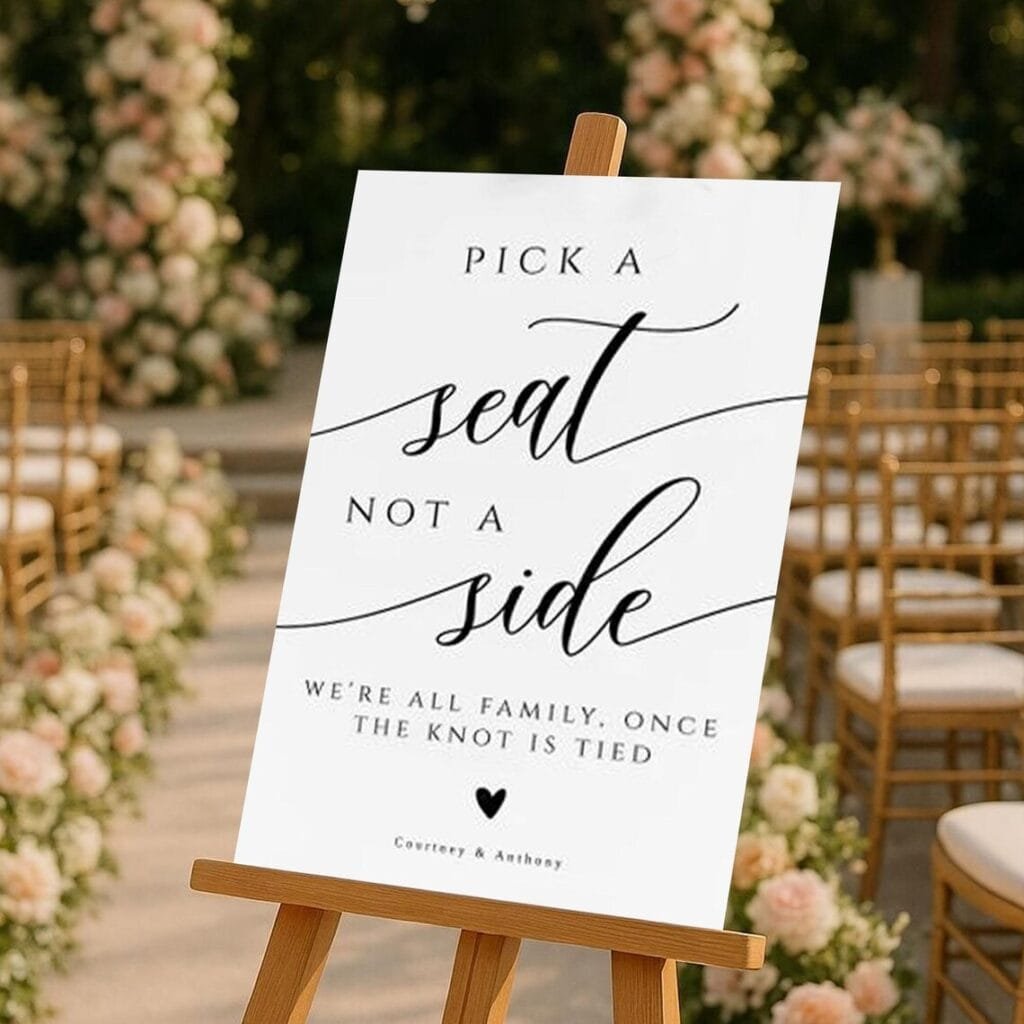
Your seating layout impacts both aesthetics and photography.
Traditional straight rows create a classic look.
Semi-circle or in-the-round setups feel more intimate and modern.
Important considerations:
- Leave at least 5–6 feet for the aisle
- Reserve front rows for immediate family
- Ensure photographers have unobstructed angles
- Provide clear reserved signage
The ceremony should feel welcoming, not confusing.
Wedding Ceremony Music Planning
Music guides emotional pacing.
Typically, you will need:
- Prelude music (15–20 minutes before start)
- Processional song(s)
- Optional unity ceremony music
- Recessional song
Coordinate timing during rehearsal to avoid awkward pauses.
Live musicians require clear cue communication. DJs should have exact start/stop instructions.
Music transitions are often where ceremonies feel either polished or chaotic.
How Long Should a Wedding Ceremony Last?
The ideal ceremony length depends on the format:
- Religious: 30–60 minutes
- Secular: 15–30 minutes
- Micro wedding: 10–20 minutes
From a guest experience standpoint, under 30 minutes is typically ideal.
If including multiple readings or rituals, balance emotional depth with pacing.
Guests remember how it felt, not how long it lasted.
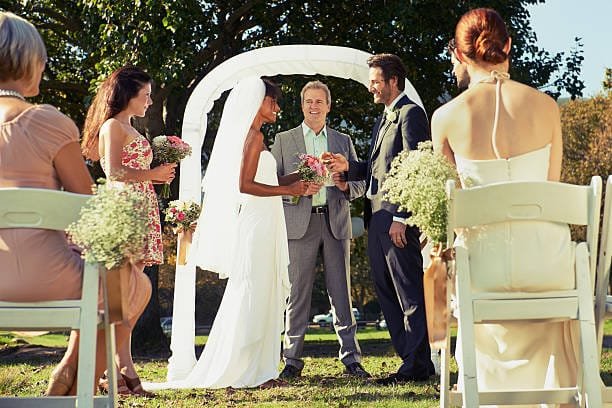
Wedding Ceremony Décor Checklist
Ceremony décor should enhance, not overwhelm.
Consider these items from Amazon:
- Arch, arbor, or backdrop
- Aisle markers or florals
- Programs (optional)
- Welcome sign
- Reserved seating markers
- Unity ceremony table
If flipping the space for reception use, coordinate with your planner or venue to simplify transitions.
Less clutter makes transitions smoother.
Be sure to download this wedding ceremony planning checklist. Check off items as you complete them.
Many couples find it helpful to organize all ceremony details, vendor notes, and timelines in a dedicated wedding planning binder. This highly rated option on Etsy is popular for good reason.
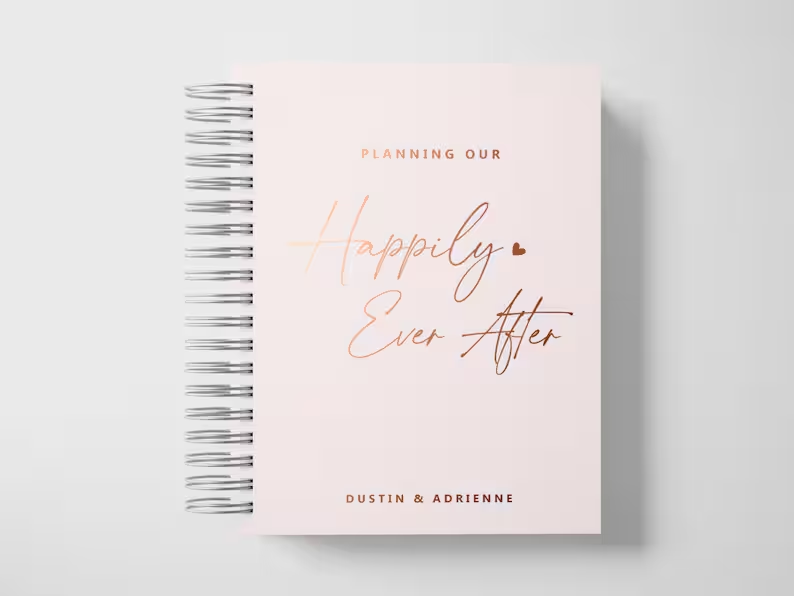
Printable Wedding Ceremony Planning Checklist
- Decide ceremony type
- Select officiant
- Confirm marriage license requirements
- Draft ceremony outline
- Choose readings
- Write vows
- Select music
- Design seating layout
- Plan rehearsal
- Confirm audio equipment
- Prepare unity ceremony items
- Assign ring holder
- Finalize backup weather
Download the free Wedding Ceremony Planning Checklist PDF to use alongside this guide.
Common Wedding Ceremony Mistakes to Avoid
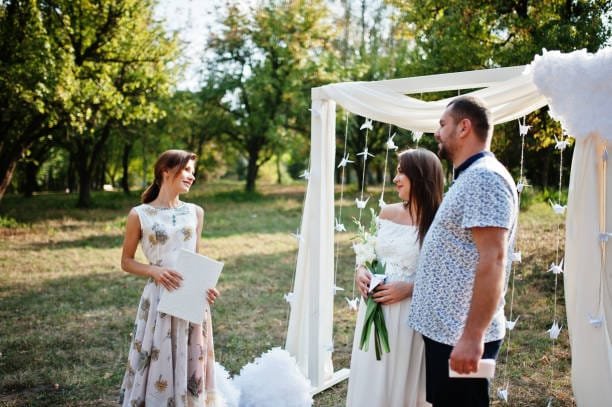
One of the biggest mistakes I see is skipping the rehearsal or only running through it once. It is difficult to get everyone’s attention during the ceremony rehearsal. Be sure to run through it more than once.
Rehearsal prevents:
- Awkward aisle timing
- Confusion about where to stand or when to walk
- Ring mishaps
- Microphone confusion
Other common mistakes:
- No backup plan
- Ceremony running too long or starting late
- Not communicating an unplugged ceremony request in advance. An unplugged ceremony means asking guests to put away phones and cameras so the photographer has clear sight lines and guests are fully present. If you want one, include the request on your wedding program and have the officiant announce it before the processional begins.
- Poor audio
- Not briefing the wedding party
Preparation creates confidence.
Couples often have similar questions when planning their ceremony. Here are answers to some of the most common wedding ceremony planning questions.
Frequently Asked Questions About Wedding Ceremony Planning
Ideally, you should begin planning your wedding ceremony 6-9 months before the wedding date. This allows time to secure your officiant, especially if you are marrying during peak season, and to personalize your ceremony script thoughtfully. If you’re including custom vows, cultural rituals, or multiple readings, give yourselves ample time to write, edit, and practice. Rushed ceremony planning often leads to awkward pacing or last-minute stress. Early planning ensures the ceremony feels polished and meaningful.
Traditionally, grandparents are seated first, followed by parents, the groom, the wedding party, and finally the bride. However, modern weddings allow for flexibility. Some couples choose to walk down the aisle together. Others incorporate blended family dynamics creatively. The key is to communicate the order clearly during rehearsal so everyone feels confident. The processional sets the tone, so clarity and pacing matter more than strict adherence to tradition.
Wedding programs are optional. They are most helpful when your ceremony includes religious rituals, cultural elements, or multiple readings that guests may not be familiar with. For shorter, modern ceremonies, many couples skip printed programs entirely. If budget or sustainability is a concern, consider a single large welcome sign outlining the ceremony order instead.
The strongest ceremonies share five qualities — heartfelt vows delivered in the couple’s own words, a confident officiant who knows how to pace the room, smooth transitions between each element, clear audio so every guest can hear every word, and a joyful recessional that signals the beginning of the celebration. Couples are often surprised to learn that guests rarely mention the floral arrangements or ceremony backdrop in their memories. What people remember is whether the ceremony felt genuine.
During a traditional wedding ceremony, the officiant stands at the center front facing the guests. The couple stands in front of the officiant, usually with the bride on the left and the groom on the right. The maid of honor stands next to the bride, and the best man stands next to the groom. Bridesmaids typically stand on the bride’s side of the altar, while groomsmen stand on the groom’s side. Immediate family members usually sit in the front rows of the ceremony seating area.
Most traditional wedding ceremonies follow a similar structure. Guests arrive and listen to prelude music while being seated. The ceremony begins with the processional, when the wedding party walks down the aisle. The officiant then gives opening remarks, followed by readings or scripture. The couple exchanges vows and rings, and may include a unity ceremony. The officiant then pronounces the couple married, followed by the first kiss and the recessional as the newlyweds walk back down the aisle together.
The three most commonly forgotten outdoor ceremony elements are audio equipment, a confirmed weather backup plan with a specific decision deadline, and guest comfort items like shade, water stations, and fans or heaters. A beautiful outdoor setting does not help if guests are overheated, cannot hear the vows, or are unexpectedly ushered into a backup space that was never properly prepared.
Most wedding ceremonies last between 15 and 30 minutes. Religious ceremonies may be longer, sometimes lasting 30 to 60 minutes, depending on traditions and readings. Secular ceremonies are often shorter and more streamlined. For many modern weddings, a ceremony lasting about 20 minutes feels meaningful while still keeping guests engaged. The key is balancing personal elements like vows and readings with a smooth pace that keeps the ceremony focused and memorable.
For a detailed guide on planning the entire wedding, read the Ultimate Wedding Planning Guide.
Final Thoughts
Your wedding ceremony is not just the beginning of your reception.
It is the beginning of your marriage.
When planned intentionally, with thoughtful structure, clear logistics, and meaningful personalization, it becomes the most powerful part of your wedding day.
And that is always worth the extra planning.
For a complete walkthrough of the full wedding day structure, the Wedding Day Timeline Template on this site maps out every moment from ceremony through reception exit.
Chris Ramsay is a wedding planner with over 35 years of experience in hospitality, country clubs, and event planning. She shares practical wedding advice, budget-friendly ideas, and real-world tips to help couples plan stress-free weddings at Well Chosen Weddings. Learn more about her on her about page.