If you’re planning your wedding ceremony, one of the most common questions couples ask is:
What actually happens during a wedding ceremony, and in what order?
While every wedding is unique, most ceremonies follow a traditional flow that has been used for generations. Understanding the typical wedding ceremony order makes it much easier to plan the moment, coordinate with your officiant, and ensure your rehearsal runs smoothly.
The traditional wedding ceremony order includes the processional, opening remarks, readings, exchange of vows, ring exchange, pronouncement of marriage, the kiss, and the recessional.
The good news is that today’s couples have plenty of flexibility. You can follow the traditional format exactly, or customize the ceremony to reflect your personalities, culture, or faith.
In this guide, we’ll walk through the traditional wedding ceremony order step by step, explain what each part means, and show you how couples often personalize the ceremony.
This blog contains affiliate links. I earn a commission on purchases made through these links at no additional cost to you.
The Traditional Wedding Ceremony Order at a Glance
Most ceremonies follow a similar structure. While details may vary, the typical order of a wedding ceremony looks like this:
Tip: Save this guide so you can reference the wedding ceremony order while planning your ceremony.
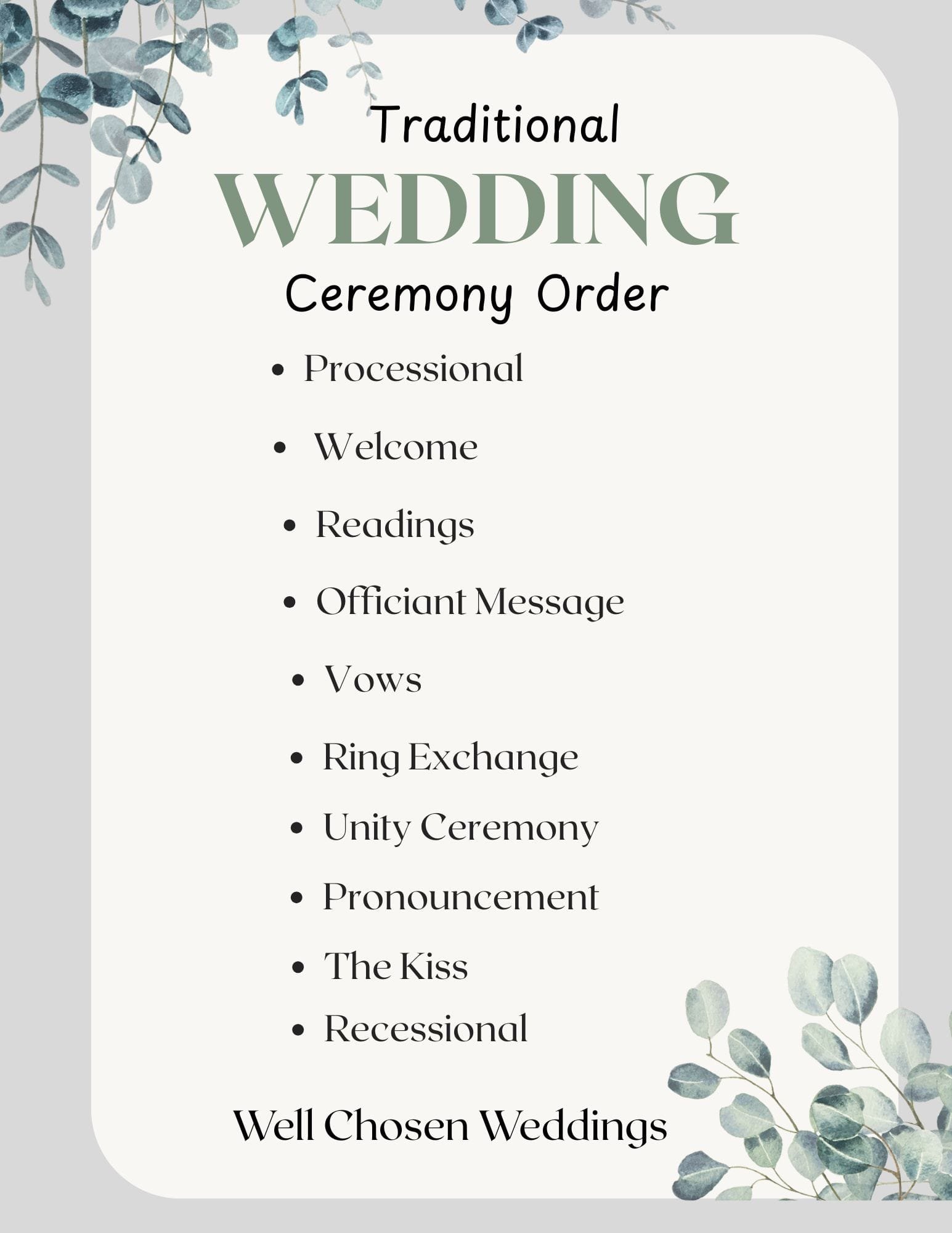
- Processional
- Welcome or Opening Remarks
- Readings or Special Ceremony Elements
- Officiant’s Address
- Exchange of Vows
- Exchange of Rings
- Unity Ceremony (optional)
- Pronouncement of Marriage
- The Kiss
- Recessional
Below, we’ll walk through each part so you understand exactly what happens during the ceremony.
Other Ceremony planning blog posts:
Wedding rehearsal; dinner guide.
Step-by-Step Wedding Ceremony Order Explained
Processional
The ceremony begins with the processional, when the wedding party walks down the aisle.
Typically, the officiant enters first, followed by members of the wedding party. The bride traditionally enters last, often escorted by a parent or loved one.
The processional music begins as guests stand and watch the wedding party take their places at the altar.
Every wedding handles the entrance a little differently, so the exact order can vary depending on tradition and personal preference.
Welcome or Opening Remarks
Once everyone is in place, the officiant begins the ceremony with a welcome.
This opening typically includes:
- Greeting the guests
- Acknowledging the couple and their families
- Setting the tone for the ceremony
Some officiants also briefly explain the meaning of marriage or share a short message about love and commitment.
This moment helps transition guests from the excitement of the processional into the meaningful moments of the ceremony.
Readings or Special Ceremony Elements
Many couples include readings or meaningful passages during their ceremony.
These readings might come from:
- Literature or poetry
- Religious texts
- Personal letters or vows
- Meaningful quotes about love and partnership
Often, a friend or family member is invited to read the passage, which can make the ceremony feel more personal and inclusive.
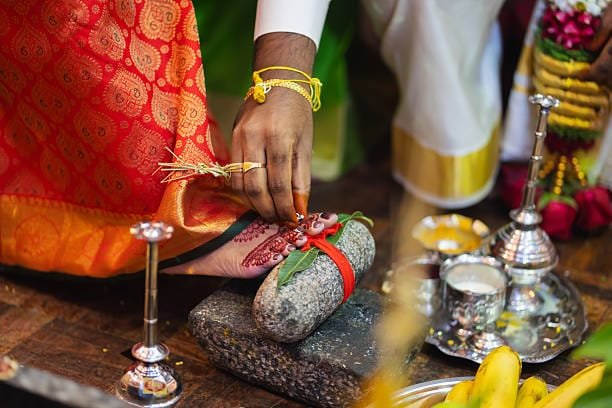
Some ceremonies also incorporate cultural traditions or symbolic rituals during this part of the ceremony.
Officiant’s Address
The officiant typically shares a short message with the couple and their guests.
This is sometimes called the sermon, homily, or ceremony message, depending on the type of ceremony.
The address may include:
- Thoughts about marriage and partnership
- A brief story about the couple
- Advice for a strong and lasting relationship
In modern ceremonies, officiants often personalize this section to reflect the couple’s journey together.
Exchange of Vows
The exchange of vows is one of the most meaningful moments of the ceremony.
During this part, the couple makes promises to each other about their future together.
Couples may choose to:
- Recite traditional vows
- Repeat vows after the officiant
- Write and read personal vows
Personal vows have become increasingly popular because they allow couples to express their love, values, and commitment in their own words.
Amazon has all types of cute signs for your ceremony. Check them out here:
Exchange of Rings
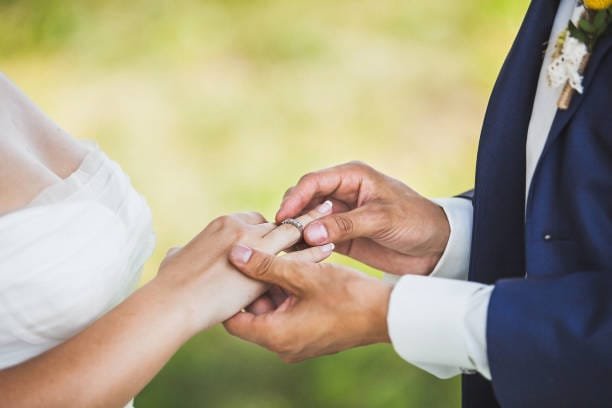
After the vows, the couple exchanges wedding rings.
The rings symbolize the promises that were just made and represent a lifelong commitment.
The officiant may ask each partner to place the ring on the other’s finger while repeating a short phrase or vow.
For example:
“Take this ring as a symbol of my love and commitment.”
This simple moment is often one of the most emotional parts of the ceremony.
Unity Ceremony (Optional)
Some couples choose to include a unity ceremony to symbolize the joining of their lives.
Unity rituals vary widely and are completely optional.
Common unity ceremonies that I have seen include:
- Lighting a unity candle
- Pouring sand into a shared container
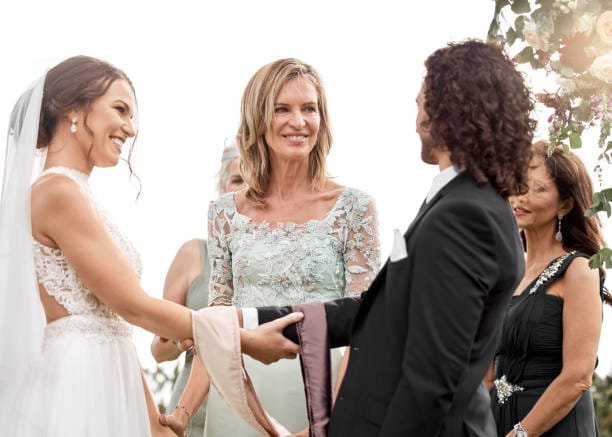
- Handfasting ceremonies
- Blending wine together
- Planting a tree together
These rituals can represent the merging of families, cultures, or traditions.
Many couples also skip this step entirely, especially if they prefer a shorter ceremony.
Pronouncement of Marriage
Once the vows and rings have been exchanged, the officiant formally declares the couple married.
This is known as the pronouncement of marriage.
You may hear something like:
“I now pronounce you married.”
This moment is the official legal declaration of the marriage.
The Kiss
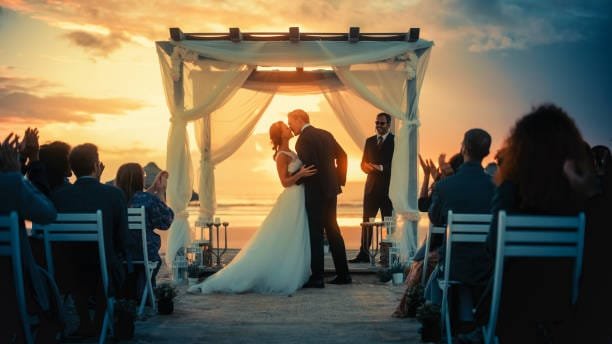
Immediately after the pronouncement, the officiant usually invites the couple to seal their vows with a kiss.
This is the moment guests often cheer, clap, and celebrate.
The first kiss as a married couple has become one of the most iconic wedding moments.
Recessional
The ceremony concludes with the recessional, when the newlyweds walk back down the aisle together.
They exit first, followed by the wedding party.
Guests then make their way to the next part of the celebration, such as cocktail hour or the reception.
The recessional music usually has a joyful, upbeat feel, celebrating the newlyweds.
How long does a Wedding Ceremony Usually Last
Wedding ceremonies can vary in length depending on tradition and the number of elements included.
Typical ceremony lengths include:
- Civil ceremonies: 10–15 minutes
- Non-religious ceremonies: 15–25 minutes
- Religious ceremonies: 30–60 minutes
Couples who want a shorter ceremony often skip additional readings or unity rituals, while longer ceremonies may include multiple readings or religious traditions.
Etsy offers so many things you will need for your wedding. Check it out here:
Etsy’s Guide to Weddings
Civil Wedding Ceremony Order
A civil wedding ceremony is typically shorter and simpler than traditional religious ceremonies. Most civil ceremonies follow a streamlined order of events.
A typical civil ceremony order may include:
Processional (optional)
Welcome from the officiant
Declaration of intent
Exchange of vows
Exchange of rings
Pronouncement of marriage
The kiss
Recessional
Civil ceremonies often last 10–15 minutes, making them a popular choice for couples planning courthouse weddings, elopements, or intimate celebrations.
Religious Wedding Ceremony Differences
Religious wedding ceremonies often follow a similar structure but may include additional traditions depending on the faith. There are way too many to list here, but I have gathered a few.
For example:
Christian ceremonies may include prayers, scripture readings, or communion.
Jewish ceremonies often include traditions such as the ketubah signing, the seven blessings, and the breaking of the glass.
Catholic wedding ceremonies may include a full Mass, which can extend the length of the ceremony.
If you are planning a religious ceremony, your officiant or religious leader will guide you through the specific traditions and order used in your faith.
How Couples Customize the Ceremony Order
While the traditional ceremony order works well for many weddings, today’s couples often customize the ceremony to reflect their personalities and beliefs.
Some common ways couples personalize their ceremony include:
- Writing their own vows
- Including cultural or family traditions
- Adding personal readings
- Involving children or family members
- Combining vows and ring exchanges
Some couples even rearrange the order slightly to fit their ceremony style better.
The most important thing is that the ceremony feels meaningful and authentic to you.
Sample Wedding Ceremony Order
Here is an example of what a simple wedding ceremony outline might look like:
Processional
Welcome and opening remarks
Reading
Officiant’s address
Exchange of vows
Exchange of rings
Pronouncement of marriage
The kiss
Recessional
Many modern ceremonies follow a format similar to this.
Tips for Planning Your Ceremony Order
When planning your ceremony, keep these helpful tips in mind:
Keep the ceremony length comfortable for guests
Most couples aim for a ceremony lasting around 20 minutes.
Discuss the order with your officiant early
Your officiant can help guide the ceremony flow and suggest meaningful additions.
Share your ceremony outline with key vendors
Your DJ, musicians, and planner should know the order of events so they can coordinate music and timing.
Practice the ceremony during your rehearsal
Walking through the ceremony ahead of time helps everyone feel more confident on the wedding day.
Frequently Asked Questions About Wedding Ceremony Order
The processional comes first in a wedding ceremony. During the processional, the officiant and wedding party walk down the aisle, followed by the couple. Once everyone reaches the altar, the officiant begins the ceremony with opening remarks.
In most wedding ceremonies, vows are exchanged before the rings. The couple first makes promises to each other during the vow exchange, and then places wedding rings on each other’s fingers to symbolize those commitments.
Most wedding ceremonies last between 15 and 30 minutes. Civil ceremonies may take 10–15 minutes, while religious ceremonies can last 30 minutes to an hour, depending on traditions and readings.
No, a unity ceremony is optional. Many couples include symbolic rituals like a unity candle or sand ceremony, but plenty of weddings skip this step and move directly from the ring exchange to the pronouncement of marriage.
Final Thoughts
Your wedding ceremony is one of the most meaningful moments of the entire day. Understanding the traditional wedding ceremony order makes it easier to plan a ceremony that flows smoothly while still reflecting your personalities.
Whether you choose to follow tradition closely or customize the ceremony with personal touches, the goal is to create a moment that feels meaningful, joyful, and memorable for both of you.