Wedding traditions and customs have been passed down for generations. From walking down the aisle to cutting the cake, many of these customs were created long before modern couples began planning weddings that reflect their personalities, values, and lifestyles. Today, couples are rethinking what tradition means and deciding which elements still feel meaningful and which ones could use a fresh update, creating new twists on old wedding traditions. Here are some modern ways to make them your own.
After 35 years of planning weddings, I have watched this shift happen gradually and then all at once. The couples who are happiest with their wedding day decisions are almost always the ones who asked themselves whether each tradition added meaning to their celebration rather than including it simply because tradition expected it.
Instead of throwing old traditions out entirely, many couples are choosing to reimagine them in different ways that feel personal, inclusive, and intentional. These modern twists on old wedding traditions allow couples to honor the past while celebrating their relationship in a way that feels authentic to them as a couple.
If you are planning a wedding and wondering how to balance classic, traditional wedding traditions with modern, updated wedding ideas, this guide will walk you through meaningful ways to update time-honored customs without losing their significance.
This post contains affiliate links. As an affiliate, I earn a commission on purchases made through my links at no additional cost to you.
Why Couples Are Reinventing Old Wedding Traditions
Modern weddings look very different from even twenty years ago. Couples today are more focused on personalization, guest experience, and meaning than following a strict set of outdated rules.
One major reason couples are choosing non-traditional wedding ideas is that weddings are no longer one-size-fits-all. Second marriages, blended families, cultural and gender diversity, and intimate celebrations have reshaped what a modern wedding can look like. Many couples are also paying for their own weddings, which gives them more freedom to decide what feels worth including, and sometimes more limitations on spending ability.
There is also a growing shift toward intentional wedding planning. Couples are asking themselves whether a tradition adds value to their day or if it is only being included out of obligation. When a tradition no longer feels aligned with their values, couples are finding creative alternatives that feel more fitting to them as a couple.
Social media and wedding inspiration platforms have also exposed couples to unique and modern wedding traditions from around the world. Seeing creative ceremony ideas and modern reception trends has encouraged couples to think outside the box while still honoring the heart of traditional wedding customs.
This blog on 23 cute wedding touches to add to your wedding day is a must-read.
Ceremony Traditions With a Modern Twist
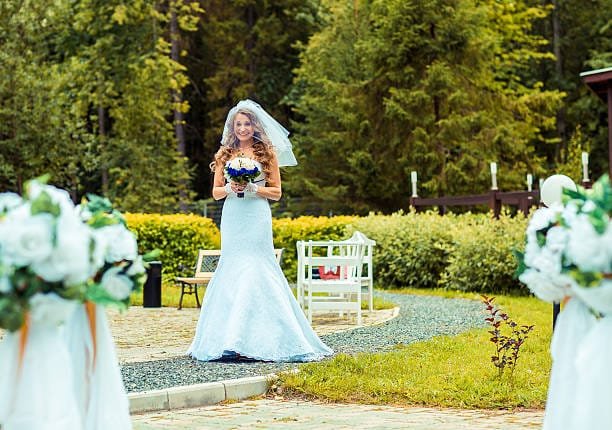
Walking Down the Aisle
Traditionally, the bride is escorted down the aisle by her father, symbolizing a transfer of responsibility. While this custom is still meaningful to many families, modern couples are choosing alternatives that better reflect their relationships.
Some couples choose to walk down the aisle together, symbolizing that they are entering marriage as equals. Others opt to be escorted by both parents, a stepparent, or another important figure. Many brides and/or grooms choose to walk alone as a sign of independence and self-choice. I have seen all of these variations in the past few years, and all are perfectly acceptable.
This blog goes over the wedding ceremony order and timeline.
These trending wedding ceremony ideas allow couples to redefine what the aisle walk represents without eliminating it.
Wedding Vows
Traditional repeat-after-me vows are still common, but personalized vows have become one of the most popular modern wedding traditions. Writing your own vows allows you to speak directly to your partner and share promises that feel personal and heartfelt.
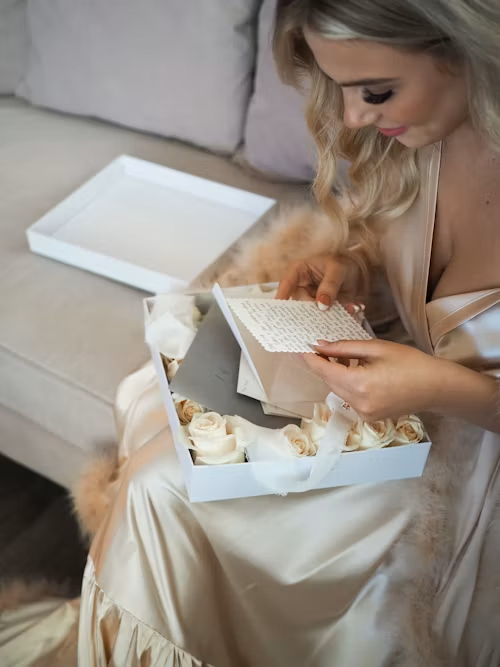
Some couples choose to exchange private vows during a first look or letter reading before the ceremony, while still using traditional wording during the public ceremony. This option works well for couples who want an intimate moment without feeling pressure to speak in front of a crowd, which can be intimidating for many people. The right answer is whatever feels right for you as a couple.
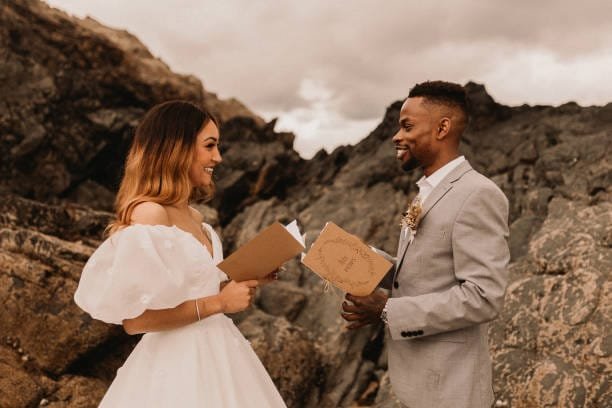
Blended vows are another popular option. Couples combine traditional language with personal promises, creating a balance between timeless and modern wedding ceremony traditions.
Bridal Party
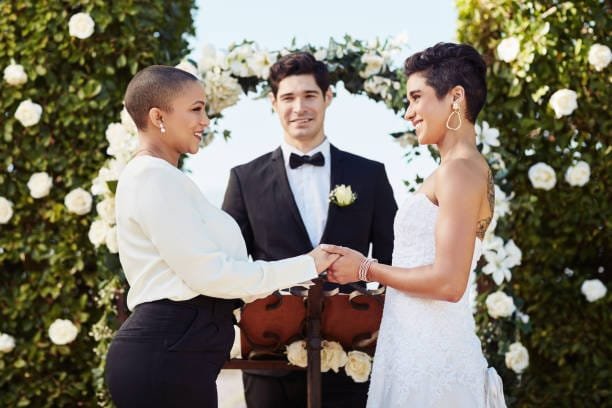
Traditionally, bridal parties were very structured and gender-specific: the bride stood beside her bridesmaids, the groom with his groomsmen, and each role came with clearly defined duties, matching attire, and a specific place in the ceremony. This setup symbolized support, community, and, historically, even protection for the couple. Today, many couples are reimagining this tradition to better reflect their real lives and relationships. It’s increasingly common to see mixed-gender bridal parties, with friends and siblings of any gender standing on either side of the couple, chosen for closeness rather than tradition.
Please read this blog on bridal party roles explained. It even includes a quick reference chart of suggested responsibilities.

Some couples are also skipping a formal bridal party altogether, opting instead for a simpler ceremony without attendants. This choice often comes down to wanting a more relaxed, inclusive, and budget-friendly wedding, avoiding added expenses and logistics, or reducing pressure on friends who may not be able to commit to the time or cost involved.
Unity Ceremonies
Unity candles and sand ceremonies have long been used to symbolize two lives becoming one. Today, couples are finding creative unity ceremony alternatives that feel more personal and interactive.
Popular modern unity ceremony ideas include handfasting, wine box ceremonies, planting a tree together, or creating a time capsule to open on a future anniversary. These alternatives allow couples to choose a ritual that reflects their shared interests or values.

Wedding Attire Traditions Reimagined
The Wedding Dress
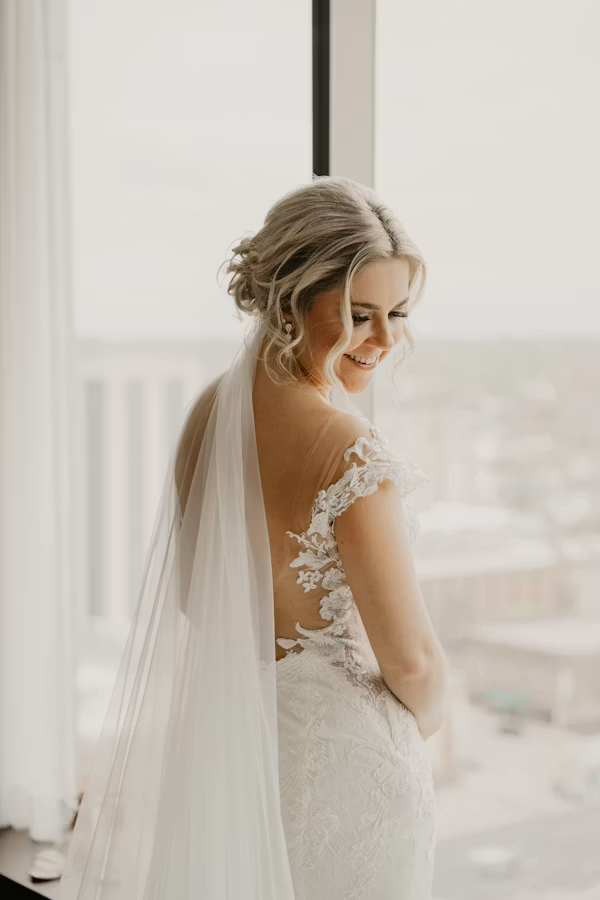
The white wedding dress became popular in the nineteenth century, but modern brides are redefining what bridal attire looks like. While white gowns remain classic, many brides are choosing champagne, blush, floral, or patterned dresses for a more unique look. I am seeing much more variety and self-expression in wedding attire.
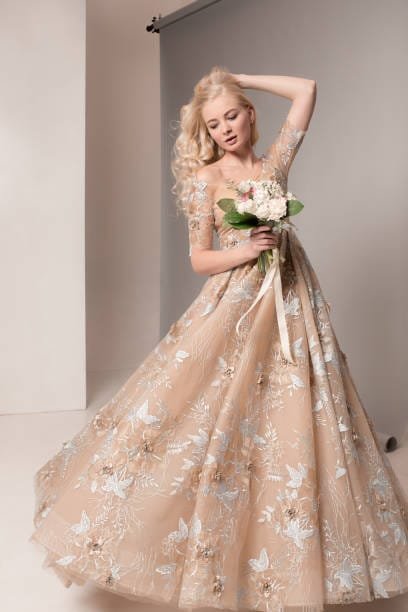
Two-look weddings are another modern twist on tradition. Brides wear a more formal gown for the ceremony and change into a second outfit for the reception, allowing for comfort and personal style.
Bridal jumpsuits, short dresses, and non-traditional wedding outfits are especially popular for courthouse weddings, backyard celebrations, and micro weddings.
Bridal Party Attire
Matching bridesmaid dresses were once considered a must, but today’s couples are embracing flexibility. Mixing and matching bridesmaid dresses in the same color family allows each person to choose a style that flatters their body type.
Some couples choose neutral palettes or allow bridal party members to select their own outfits within guidelines. Non-gendered wedding party attire is also becoming more common, reflecting inclusivity and individuality.
These modern wedding party ideas reduce stress while still creating a cohesive look.
This blog is all about summer wedding attire.

Reception Traditions With a Fresh Update
This blog will give you overall guidance in planning your wedding reception.
The First Dance
The traditional first dance is still a highlight of many receptions, but couples are finding ways to make it more comfortable and meaningful.
Some couples choose a private last dance at the end of the reception, allowing them to soak in the moment without an audience. Others opt for a short first dance followed by an invitation for guests to join them on the dance floor.
Group dances with the wedding party or family members are another fun alternative that keeps the energy high while easing nerves.
Cake Cutting
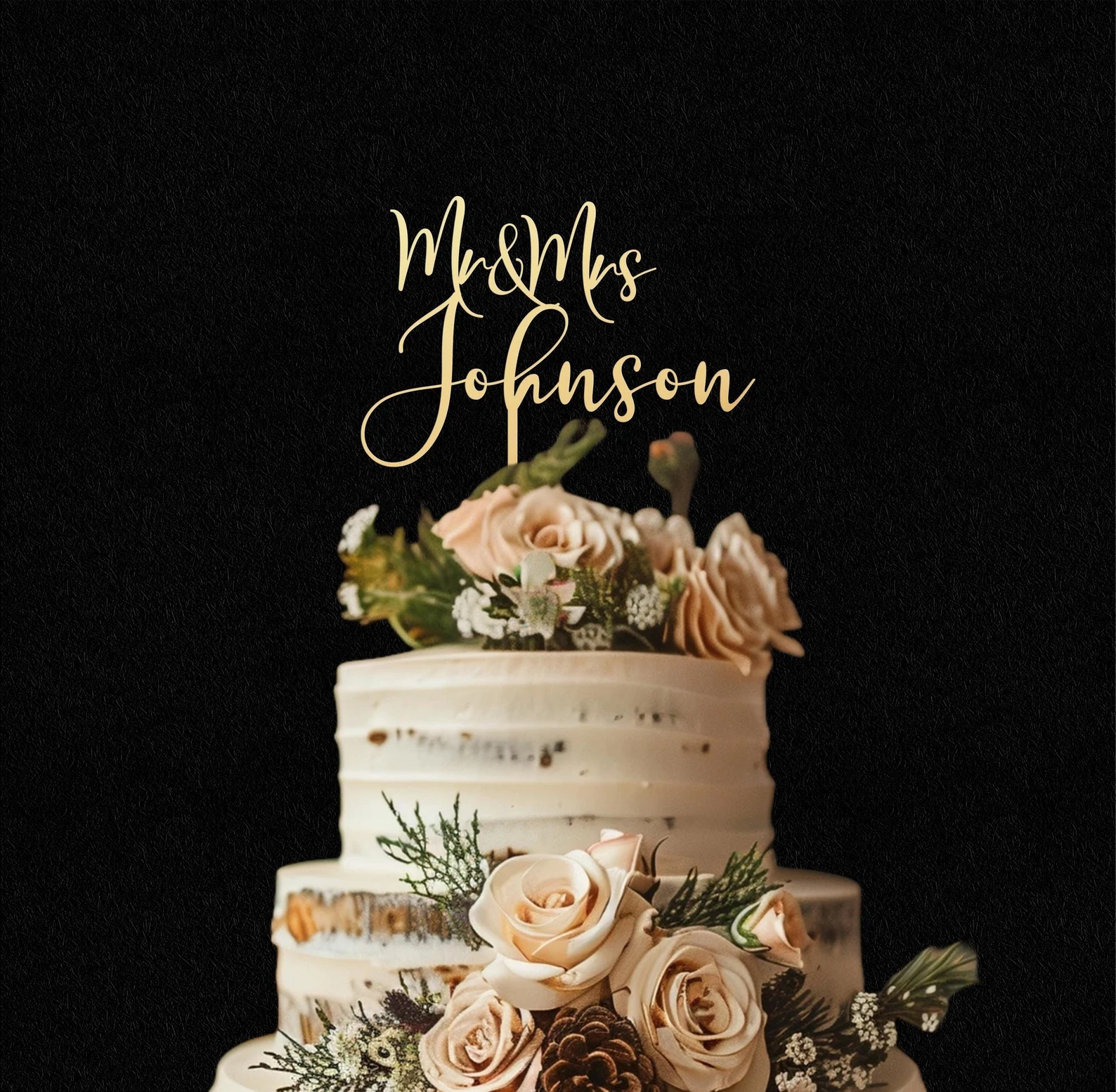
The tiered wedding cake remains a classic symbol, but modern couples are redefining how desserts are served. Dessert bars, mini cakes, cupcakes, donuts, and pies are popular alternatives that offer variety and flexibility.
Shop Etsy for personalized cake toppers. You can still have a cute cake topper on your wedding pie.
Read this blog on wedding dessert table ideas.
This one is a tutorial on making a layered wedding cookie cake.
Many couples choose a small ceremonial cake for cutting and serve sheet cake or alternative desserts to guests. This option can be more budget-friendly while still preserving the tradition.
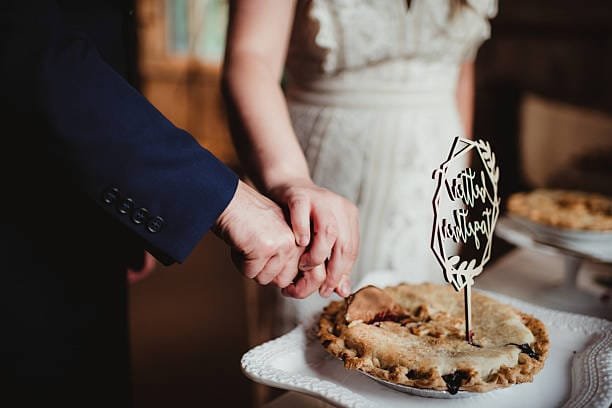
A wedding cake is no longer mandatory. It is perfectly acceptable to have any type of dessert you would like.
Bouquet and Garter Toss
The bouquet and garter toss has become less popular in recent years, with many couples opting for alternatives that feel more inclusive.
An anniversary dance is a meaningful replacement. Married couples are invited to the dance floor, and couples leave as they have been married the longest. The last couple dancing, being the couple married the longest, receives the bouquet.
Other alternatives include dedicating the bouquet to a loved one, donating flowers to a local organization, or skipping the tradition altogether.
This blog covers the wedding traditions couples are skipping and what to replace them with.
Modern Wedding Guest Experience Traditions
Seating and Introductions
Traditional formal seating charts and grand introductions are being replaced with more relaxed options. Lounge seating, family-style tables, and open seating arrangements create a more casual and social atmosphere.
Some couples skip formal wedding party introductions to keep the reception flowing smoothly. Others introduce only themselves or close family members.
These modern reception ideas focus on guest comfort and experience rather than rigid structure.
Wedding Favors
Traditional wedding favors often go unused. Today, couples are choosing consumable favors like edible treats, candles, or locally made items.
This blog is all about wedding favor ideas.
Experience-based favors such as late-night snacks, photo booths, or interactive guest activities are becoming more popular. Some couples choose to donate to a charity in their guests’ honor instead of providing physical favors.
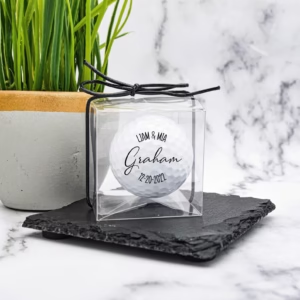
These modern wedding favor ideas are practical, memorable, and meaningful.
This blog is all about 25 DIY wedding favors.
Updating Family and Cultural Wedding Traditions
Family and cultural traditions often carry deep meaning, which can make updating them feel challenging. The key is communication and intention. Respectful adaptation allows couples to honor their heritage while still planning a wedding that reflects who they are today.
Updating family and cultural wedding traditions does not mean rejecting them. It means choosing which traditions still feel meaningful to you and finding ways to honor them in a way that fits your values, personalities, and the type of wedding you are planning. The most important step is open communication. Talking with parents or close family members early helps everyone understand why you may want to adapt certain customs rather than follow them exactly.
For example, imagine one partner comes from a family where a large religious ceremony is expected, while the couple prefers a smaller, more personal wedding. Instead of skipping the tradition entirely, they might include one meaningful ritual from that faith, such as a blessing, prayer, or reading, while keeping the overall ceremony simple. This allows the tradition to be respected without dictating the entire event.
Another common example is blending traditions from different cultures. A couple might include a traditional tea ceremony to honor one family’s heritage, followed by a Western-style exchange of vows. Rather than treating these as separate or confusing moments, the officiant can briefly explain the meaning behind each tradition so guests understand why they are included. This context turns the ceremony into a shared experience instead of leaving guests feeling unsure or disconnected.
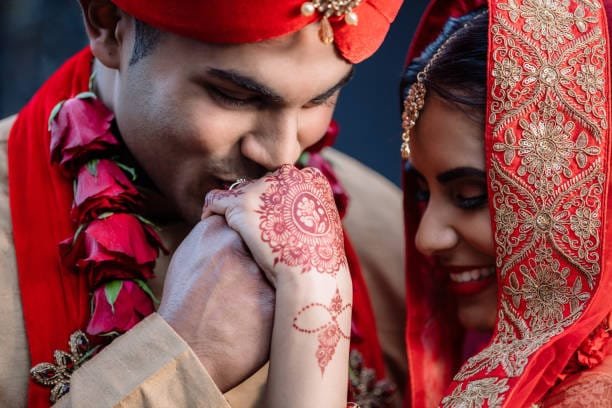
Some couples also update traditions symbolically. For instance, instead of a formal receiving line or rigid seating customs, they might honor family elders with a special toast or private moment before the reception. The tradition’s purpose, respect, and gratitude remain intact, even though the format has changed.
Communicating all of these decisions clearly with your guests, including the reasoning behind any updated traditions, is much easier when you have a central wedding website. WedSites offers a free platform where you can share your ceremony structure, any cultural context guests might appreciate, and all logistics in one place.
When couples approach traditions with intention and explanation, it often leads to less tension and more understanding. Guests are usually very receptive when they understand the meaning behind the choices, and families often feel honored when their traditions are acknowledged thoughtfully, even if they look a little different from what was expected.
How to Decide Which Wedding Traditions to Keep or Skip
When deciding which traditions to include, ask yourself a few simple questions. Does this tradition feel meaningful to us? Does it add joy or stress? Would we miss it if we skipped it?
This blog will give you the rules to follow when creating your wedding guest list.
It can be helpful to prioritize traditions that align with your values and vision for the day. Budget and timeline considerations may also play a role in your decisions.
Remember that there is no rulebook you must follow. The most meaningful weddings are those that reflect the couple, not a checklist.
This post on rehearsal dinners explains what they are and what happens at the rehearsal dinner.
Final Thoughts
Wedding traditions continue to evolve, and today’s couples have more freedom than ever to shape their celebrations. By choosing modern twists on old wedding traditions, you can honor the past while creating a wedding that feels personal, intentional, and joyful.
You may like this post on bridal party roles.
Whether you keep classic elements, update them, or create new traditions entirely, the most important thing is that your wedding reflects your relationship and values. Tradition is not about following rules. It is about meaning.
For the full guide on wedding decor, start here:
Frequently Asked Questions About Modern Wedding Traditions
Yes, mixed-gender bridal parties are very common today. Couples often choose their closest friends and family members regardless of gender, with attendants standing on either side of the couple.
No, the bouquet toss has become one of the most commonly skipped wedding traditions. Many couples replace it with an anniversary dance, where married couples join the dance floor and leave as the years increase until the longest-married couple remains to receive the bouquet. Others dedicate the bouquet to a loved one or simply skip the moment altogether. There is no obligation to include it.
There is no ideal number. Bridal parties today range from one or two attendants to none at all. When deciding, couples often consider venue size, budget, and how many people they truly want involved in the ceremony, rather than feeling obligated to include everyone.
Many religious ceremonies allow some degree of personalization within their structure. The best approach is to speak directly with your officiant early in the planning process about what flexibility exists. Some couples use the official religious vows for the public exchange and share personal, written vows privately during a first look or letter exchange before the ceremony begins.
No. A tiered cake remains popular because it photographs beautifully and provides a ceremonial cutting moment, but there is no requirement to serve one. Dessert bars, cupcakes, pie, donuts, and mini cakes are all widely accepted alternatives. Many couples keep a small cutting cake for the ceremonial moment and serve sheet cake or a different dessert to guests, which is often more cost-effective.
Traditional wedding etiquette assigned specific expenses to specific families, but these expectations have largely dissolved. Most modern couples pay for their own weddings, and any contributions from family members are best handled through early, explicit conversations rather than assumed obligations. Clarity at the beginning prevents tension later.
Yes, family members can absolutely participate without being part of the bridal party. Some couples have siblings or close relatives walk down the aisle, do a reading, or take part in the ceremony without formal titles.
Follow me on Pinterest for more great ideas.
Chris Ramsay is a wedding planner with over 35 years of experience in hospitality, country clubs, and event planning. She shares practical wedding advice, budget-friendly ideas, and real-world tips to help couples plan stress-free weddings at Well Chosen Weddings. Learn more about her on her about page.