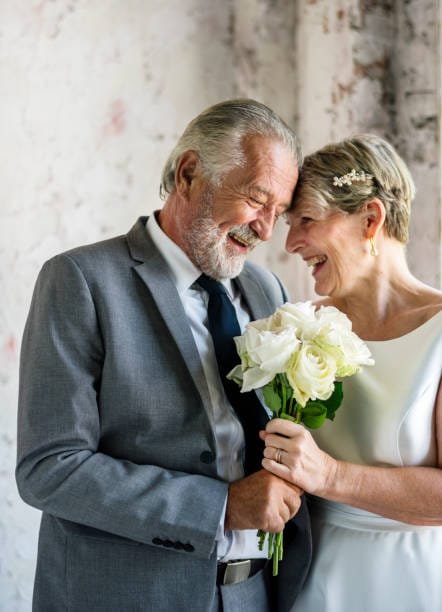
Planning a second wedding is a very different experience from planning your first wedding. You’re likely more confident in who you are, clearer about what matters, and far less interested in following traditions just because you’re “supposed to.” At the same time, second weddings, or encore weddings, can come with their own set of questions, emotions, blended families, and etiquette concerns. This is your complete guide to planning your second wedding, along with a checklist for your next “I Do”.
This blog contains affiliate links. As an affiliate, I earn from purchases made through my links at no additional cost to you.
Whether this is a remarriage, a later-in-life wedding, or a second celebration after a small ceremony, planning a second wedding gives you the opportunity to do things with intention. This guide walks you through what’s different, what actually matters, and how to plan a second wedding that feels meaningful, comfortable, and completely your own.
This blog gives you suggestions on beautiful wedding decor items from Amazon.
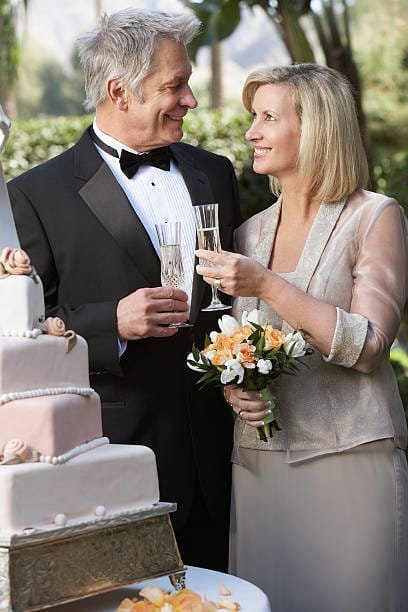
How Planning a Second Wedding Is Different From Your First Wedding
Second wedding planning often feels more grounded and less overwhelming. Many couples approach it with a clearer sense of perspective and fewer outside pressures.
For starters, you may already know what didn’t matter the first time around. The tiny details that once felt urgent often fade into the background, replaced by a desire for connection, ease, and enjoyment.
Another key difference is confidence. Couples planning a second wedding tend to feel more comfortable setting boundaries, saying no to expectations, and choosing what feels right for them rather than what looks good on paper.
This blog on DIY decor items may be helpful.
Why Second Weddings Tend to Be More Personal
Second weddings are often more reflective of real life. Couples may already share a home, have children, or blend families. The celebration becomes less about launching a new chapter and more about honoring the one you’re building together.
Whether you have 12 months or 6 months to plan your second wedding, this blog covers the steps to take.
Because of this, many second weddings are smaller, more intimate, and intentionally designed. Instead of trying to please everyone, couples focus on creating a day that feels joyful and authentic.
This blog on themes for your wedding may be helpful in your planning.
Second Wedding Etiquette: What Still Matters and What You Can Skip
One of the most common concerns couples have when planning a second wedding is etiquette. There’s often uncertainty around what’s appropriate and what’s unnecessary.
The truth is that etiquette for second weddings isn’t about rigid rules. It’s about consideration and clarity. Guests mainly want to know what to expect and how to celebrate with you comfortably.
Do You Need a Big Wedding the Second Time?

No. And you also don’t need to justify having one if that’s what you want.
Some couples opt for a small backyard wedding, a private ceremony, or a destination celebration. Others still love the idea of a formal event with dinner and dancing. Both choices are completely valid.
The key is alignment. Your guest list, venue, and tone should align with the type of celebration you’re hosting, so that guests feel comfortable and welcome.
Should You Follow Traditional Wedding Customs Again?
You can, but you don’t have to.
Many second-time couples choose to skip traditions that no longer feel meaningful, such as bouquet tosses, formal bridal parties, or rigid ceremony scripts. Others keep the traditions they genuinely enjoy and discard the rest.
Walking down the aisle, exchanging vows, and celebrating with loved ones are timeless elements that never need justification. Everything else is optional.
Who to Invite to a Second Wedding
Creating a guest list for a second wedding can feel complicated, especially if family dynamics have changed or expectations linger from the first wedding.
This bog on creating your wedding guest list will help with this.
This blog on wedding etiquette will also be helpful.
The good news is that second wedding guest lists are often smaller and more intentional.
Inviting the Same Guests From Your First Wedding
You are not obligated to invite everyone who attended your first wedding. Guest lists should reflect your current relationships, not your past ones. Chances are, years have passed since your first wedding, and those important to you have also changed.
If you’re planning a smaller or more intimate wedding, it’s perfectly acceptable to limit invitations to close family and friends. Clear communication helps prevent hurt feelings, but you don’t need to over-explain your choices.
Navigating Blended Families and Adult Children
For couples with children or blended families, inclusion often matters more than formality. Many second weddings incorporate children into the ceremony through readings, unity rituals, or simple roles that feel meaningful without pressure.
Adult children may also have strong feelings about the wedding. Open conversations and thoughtful involvement can help everyone feel respected and included.
This blog is about new twists on old wedding traditions.
Budgeting for a Second Wedding
Second wedding budgets tend to be more flexible. Couples are often paying for the wedding themselves and want to spend money where it truly adds value.
Read this blog for a complete guide to setting your wedding budget.
Instead of focusing on what a wedding “should” cost, many couples focus on how they want the day to feel.
Where Couples Often Splurge
Photography is a common priority. Couples understand the long-term value of well-captured memories and are often willing to invest here.
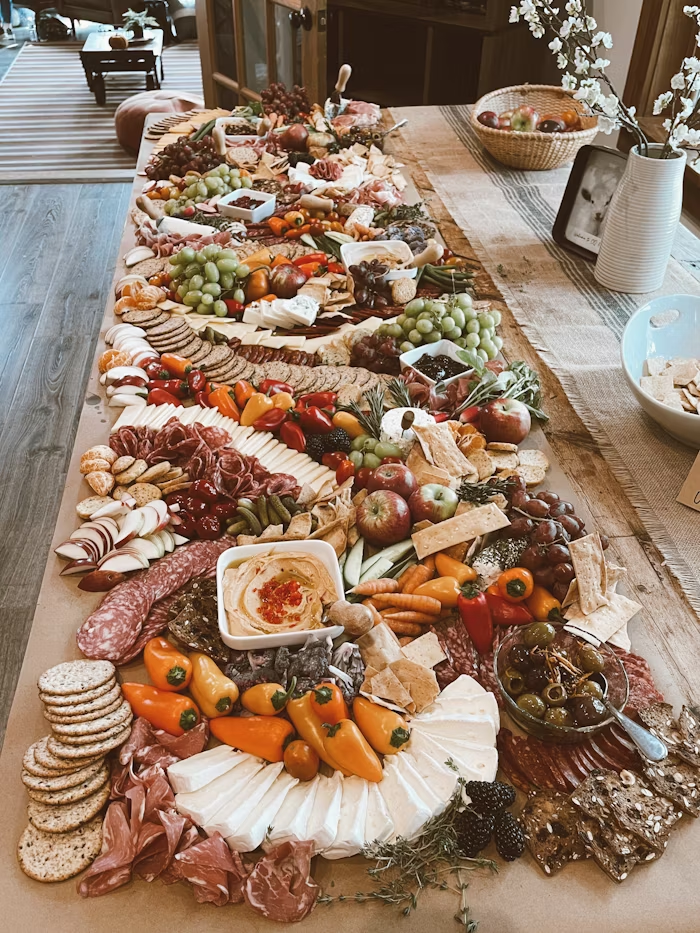
Food and drink are another area where second-time couples tend to spend more thoughtfully. A great meal, good wine, and a relaxed atmosphere go a long way in creating a memorable experience.
This blog on how to select the food and drinks for your wedding may be helpful.
Where Couples Often Save
Décor is often simplified. Many second weddings rely on beautiful venues, seasonal florals, or minimal design rather than elaborate installations.
Read this blog on DIY wedding decor.
Guest count is another major cost saver. Smaller weddings naturally reduce expenses across catering, rentals, and stationery.
What to Wear to a Second Wedding
Attire for a second wedding is where many couples feel the most freedom. There are no color rules, style rules, or expectations tied to what you wore before. Most couples tend to be a bit more casual in their attire at a second wedding.
The most important factor is comfort and confidence.
Second Wedding Dress Alternatives
Many brides choose nontraditional dresses for their second wedding. Short dresses, simple gowns, jumpsuits, or even elegant separates are all popular choices.
Color is also completely open. Ivory, champagne, blush, and even bold hues are all appropriate. Choose something that feels like you, not something that checks a box.
Amazon has a great selection of dresses and suits that are perfect for a second wedding.
Groom and Partner Attire Options
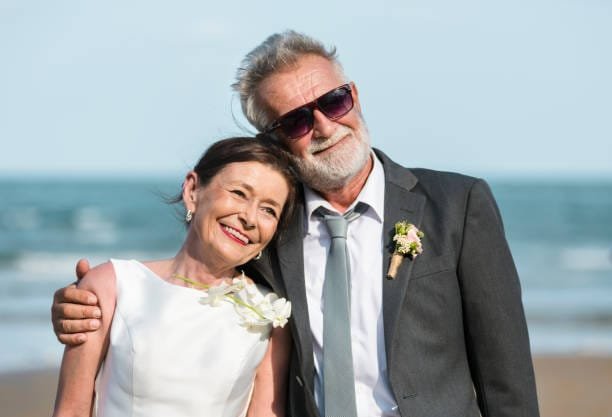
Suits are far more common than tuxedos for second weddings, especially for daytime or smaller celebrations. Some couples opt for more relaxed attire, particularly for destination or backyard weddings.
This blog is about summer wedding attire.
What matters most is that your attire matches the tone of your wedding and feels comfortable to wear all day.
Do You Need a Registry for a Second Wedding?
This is one of the most searched questions around second wedding planning, and the answer is simple: it depends.
Read this blog on creating your gift registry.
Many couples already have a fully furnished home and don’t need traditional household items. Others are blending households or starting fresh and appreciate practical gifts.
Registry Alternatives: Couples’ Love
Experience-based registries are especially popular for second weddings. Honeymoon funds, date-night experiences, and travel contributions feel meaningful without being excessive.
Some couples also choose charitable registries or request no gifts at all. If you go this route, clear and gracious wording is key. Be aware that guests will still bring cards, and some will ignore the ‘no gifts” request and still bring a gift.
If you do want to have a gift registry. MyRegistry.com is the place to manage your wedding gift registry.
Ceremony and Reception Ideas for a Second Wedding
Second wedding ceremonies often feel more personal and less scripted. Couples tend to focus on meaning rather than tradition for tradition’s sake.
Ceremony Ideas That Feel Thoughtful
Personalized vows are especially common for second weddings. Couples often feel more comfortable speaking from the heart and acknowledging the journey that brought them together.
Family readings, unity rituals that include children, or moments of reflection can add depth without making the ceremony feel heavy.
Reception Ideas Guests Actually Enjoy
Second wedding receptions often prioritize conversation and connection. Cocktail-style receptions, brunch weddings, and restaurant buyouts are all popular options.
Read this blog on 9 interactive wedding ideas.
These formats encourage mingling and keep the focus on celebrating rather than a set schedule.
Planning a Second Wedding Later in Life
Read this blog on Backyard Wedding Decor.
Many second weddings happen later in life, when couples have a clearer sense of themselves and their priorities.
Later-in-life weddings often emphasize comfort, accessibility, and meaningful experiences over trends or spectacle.
Hosting a Wedding That Reflects Your Current Season of Life
Timing, venue choice, and guest experience all matter. Afternoon ceremonies, comfortable seating, and thoughtful pacing can make a big difference for guests of all ages.
This is your opportunity to host a celebration that feels relaxed, welcoming, and aligned with your life today.
Common Questions About Planning a Second Wedding
Yes. A second wedding can be as formal or as casual as you want. The key is matching expectations with the experience you’re hosting.
You can, but many couples choose to skip a formal wedding party or keep it very small. Others include close friends or family members in nontraditional ways.
It’s not rude, but many couples prefer alternative registries or no gifts at all. Clear communication helps guests feel comfortable either way.
Absolutely. Destination weddings are especially popular for second weddings, particularly when couples plan a celebration at home afterward for those who can’t attend.
Here’s a simplified checklist to help you stay focused and organized:
- Define your priorities and wedding vision
- Set a realistic budget
- Decide on guest list size and boundaries
- Choose your venue and date
- Decide on attire and ceremony tone
- Determine registry or no-gift preferences
- Plan communication and invitations clearly
- Focus on meaningful details, not perfection
This checklist is intentionally streamlined to reflect the reality of second wedding planning. Less pressure, more intention.
Your Second Wedding, Your Way
Planning a second wedding isn’t about repeating the past. It’s about honoring where you are now and celebrating the life you’re building together.
You’ve earned the right to plan a wedding that feels comfortable, joyful, and authentic. Whether your celebration is big or small, formal or relaxed, the most important thing is that it reflects you.
Follow me on Pinterest for more planning guides.