
Affiliate note: If you choose to purchase through a link on this page, I may receive a small commission at no extra cost to you. Thank you for supporting this site.
This guide has been fully expanded and updated for 2026.
Your wedding venue is more than just a backdrop; it sets the tone for your entire day. Whether you dream of a rustic barn, a chic downtown loft, or an elegant ballroom, the space you choose will influence everything from your décor to your photography to your guest experience. This blog explains how to choose the perfect wedding venue and includes a checklist to keep you organized.
With over 35 years of experience in hospitality, country clubs, and high-end hotels, I’ve seen firsthand what makes a wedding venue exceptional — and what hidden details can cause unnecessary stress. Choosing the right venue isn’t just about beauty; it’s about functionality, logistics, and guest experience.
But here’s the challenge: with so many beautiful options (and hidden costs), how do you know which venue is truly right for you? Choosing a wedding venue can feel overwhelming, but with the right strategy, you can make a confident decision. This guide breaks down exactly how to choose the perfect wedding venue, step by step, so you’ll know what to prioritize, what questions to ask, and how to avoid common mistakes.
Planning venue tours? Grab my free printable Wedding Venue Checklist here.
Table of Contents
- Step 1: Decide on Your Wedding Style
- Step 2: Set Your Budget Early
- Step 3: Consider Guest Count and Location
- Step 4: Compare What’s Included vs. What’s Extra
- Step 5: Ask the Right Questions
- Step 6: Think About Season and Weather
- Step 7: Tour Multiple Venues Before Booking
- Step 8: Read Reviews and Ask for References
- Step 9: Understand the Wedding Venue Contract Before You Sign
- Step 10: How to Compare Multiple Wedding Venues
- FAQ: Choosing the Perfect Wedding Venue
- Conclusion
Step 1: Decide on Your Wedding Style
Before you start calling venues, think about the vibe you want for your wedding. Are you picturing a romantic garden ceremony, a glamorous ballroom, or a laid-back backyard celebration? Your venue should reflect your style as a couple. When deciding on your style (or theme), this blog on wedding themes will help you plan your style.
- Nature lovers: Consider outdoor spaces like vineyards, farms, or botanical gardens. This blog covers garden weddings.
- City dwellers: Modern lofts, downtown hotels, or rooftop venues may suit your style.
- Classic elegance: Historic mansions or grand ballrooms can create a timeless feel.
Pro tip: Create a Pinterest vision board and save images of venues that inspire you. You’ll notice patterns in style, color palette, and setting, helping you narrow down your options. Follow me on Pinterest.
Statistic: According to a 2025 WeddingWire survey, 68% of couples said the overall wedding style influenced their venue choice more than cost.

Step 2: Set Your Budget Early
Wedding venues often take up 30–50% of your total wedding budget, so it’s crucial to know your numbers before booking tours.
- Flat rental fee vs. per-person packages: Some venues offer all-inclusive pricing; others require you to bring in your own vendors.
- Hidden fees: Always ask about taxes, service charges, and overtime fees.
Expert tip: Use a wedding budget tracker to ensure you don’t overspend on the venue at the expense of food, décor, or photography. Couples who establish a budget early are 42% more likely to stay within their total wedding budget, according to The Knot’s 2025 Wedding Planning Report.
This post is all about setting your wedding budget.
Also, get my wedding budget planner and worksheet.
Step 3: Consider Guest Count and Location
Your guest list and location are closely connected to your venue choice:
- Capacity: Too small feels cramped; too large can feel empty.
- Accessibility: Ensure guests with mobility needs can navigate the space.
- Convenience: Check proximity to airports, hotels, and major highways.
- Parking & Transportation: Ask about valet, shuttle service, and available lots.
Pro tip: Create a spreadsheet of potential venues and rank them by size, location, and amenities. This helps you see which options meet your key criteria.
When creating your guest list, this post explains the rules no one tells you about.
Statistic: Couples hosting 100+ guests spend, on average, 28% more on transportation and accommodations, per WeddingWire.

Step 4: Compare What’s Included vs. What’s Extra
Not all venues are created equal. Some include tables, chairs, linens, and catering; others leave you to supply everything.
- All-inclusive venues: Offer food, drinks, tables, chairs, linens, and sometimes décor.
- DIY-style venues: Blank canvas; you bring caterers, rentals, and decorations. For DIY decor ideas, read this blog.
Always ask: What is included in the rental? Are there vendor restrictions? What’s optional but costs extra?
Step 5: Ask the Right Questions
The right questions ensure logistics match your vision:
Touring venues soon? Don’t rely on memory alone. I created a printable Wedding Venue Checklist that includes every important question to ask before you sign a contract — from pricing and vendor policies to cancellation terms and fine print.
Download the free Wedding Venue Checklist here and bring it with you to every tour.
Availability
- Is my desired date open?
- Are there indoor/outdoor backup options?
Vendor Policies
- Can we bring our own vendors?
- Can we bring our own alcohol?
Timing
- When can setup begin?
- How late can the event go?
- Cleanup policy?
Renovations
- Any planned construction before our wedding?
Pro tip: Bring a printed checklist when touring venues. This keeps you organized and prevents missing key details.
Step 6: Think About Season and Weather
Outdoor weddings are beautiful but weather-dependent:
- Summer: Ask about shade, fans, or AC.
- Winter: Confirm heating and indoor options.
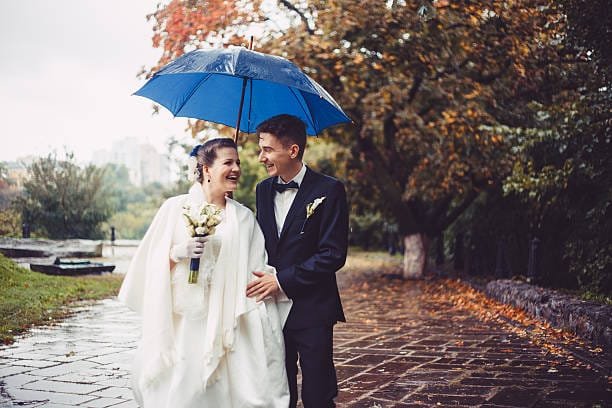
- Spring/Fall: Always have a rain plan.
Seasonal wedding planning posts:
Statistic: 22% of couples in 2024 reported last-minute weather-related venue changes, according to WeddingWire.
Step 7: Tour Multiple Venues Before Booking
Photos can be misleading. Touring in person helps you assess:
- Flow between the ceremony, cocktail, and reception spaces
- Guest amenities like restrooms and coat checks
- Staff professionalism and communication
- Parking, lighting, and general ambiance
Red flags: Disorganized communication, unclear fees, dirty or unkempt spaces, or pressure to book immediately.
Step 8: Read Reviews and Ask for References
Reviews provide insight into actual experiences:
- Check Google, The Knot, and WeddingWire reviews.
- Ask venues for references from past couples.
- Look for consistent feedback on staff, flexibility, and problem-solving.
Expert tip: Pay attention to reviews mentioning punctuality, coordination, and hidden fees; they often reveal the venue’s reliability.
Step 9: Understand the Wedding Venue Contract Before You Sign
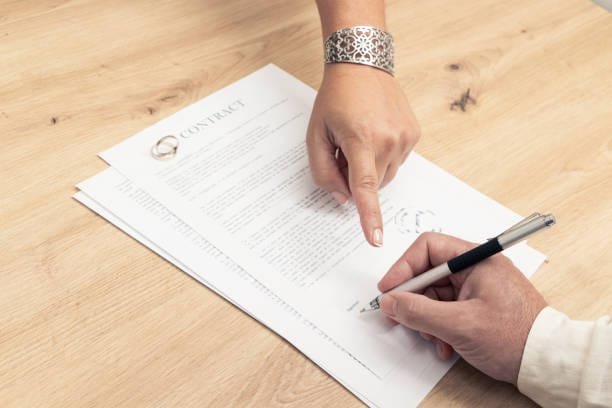
Choosing the perfect wedding venue isn’t just about how it looks; it’s about what you’re legally agreeing to. The venue contract protects both you and the property, but many couples sign without fully understanding the details.
Before you put down a deposit, review the contract carefully and don’t hesitate to ask for clarification.
Here’s what to look for:
Cancellation and Rescheduling Policy
Life happens. Weather, illness, or family emergencies can impact your date. Look for:
- How much of your deposit is refundable
- Deadlines for cancellation penalties
- Rescheduling options
- Force majeure clauses (acts of God, natural disasters, government restrictions)
Many venues made contract updates after 2020, so policies may be stricter than you expect.
Payment Schedule and Due Dates
Most venues require:
- Initial non-refundable deposit (typically 25–50%)
- Scheduled installment payments
- Final balance due 10–60 days before the wedding
Make sure you understand:
- Exact due dates
- Accepted payment methods
- Late payment penalties
Food & Beverage Minimums
If your venue provides catering, there may be a required minimum spend.
This is not the same as a per-person cost.
For example:
A $15,000 food & beverage minimum means you must spend at least $15,000 before tax and service charges, even if your guest count drops.
Clarify:
- What counts toward the minimum
- Whether alcohol counts
- If service charges are included
Service Charges vs. Gratuity
Many couples are surprised to learn:
A 20–25% “service charge” is often NOT a tip.
Ask:
- Is gratuity included?
- Is it distributed to staff?
- Are you expected to tip separately?
This can significantly impact your final bill.
Vendor Restrictions and Exclusivity
Some venues:
- Require you to use their in-house catering
- Restrict outside bartenders
- Have a preferred vendor list
- Charge fees for outside vendors
If you have specific vendors in mind, confirm they are allowed before signing.
Insurance and Liability
Many venues require:
- Event liability insurance
- Alcohol liability insurance
- Certificates of insurance from vendors
This protects you if something is damaged or someone is injured.
Overtime Fees
Ask:
- What happens if your reception runs late?
- Is overtime charged in hourly increments?
- Are staff overtime charges separate?
Even 30 minutes over can cost hundreds.
Signing a venue contract is one of the biggest financial decisions in your wedding planning process. Take your time, ask questions, and never feel rushed into signing.

Step 10: How to Compare Multiple Wedding Venues
After touring two or three venues, they can start to blur together.
To choose the perfect wedding venue confidently, you need a system.
Here’s how to compare venues logically, without losing sight of your emotional response.
Create a Venue Comparison Chart
List each venue across the top of a spreadsheet and compare:
- Rental fee
- Estimated catering total
- Guest capacity
- Inclusions (tables, chairs, linens)
- Location convenience
- Parking availability
- Ceremony backup plan
- Vendor flexibility
- Overall aesthetic
Seeing everything side-by-side prevents emotional decision-making from overshadowing financial reality.
Rank Your Top 3 Priorities
Before choosing, ask yourselves:
What matters most?
- Budget?
- Location?
- Aesthetic?
- Guest experience?
- Convenience?
If one venue excels in your top three categories, that’s a strong indicator.
Evaluate Guest Experience
Imagine the entire day:
- Where will guests park?
- Is the ceremony space comfortable?
- Will elderly guests struggle with stairs?
- Is the cocktail hour area separate from dinner?
- Are there enough restrooms?
- How is the lighting? Is it dimmable?
Sometimes a venue feels beautiful but doesn’t function well.
Consider Stress Level
Ask yourself honestly:
Does this venue make planning easier or harder?
All-inclusive venues often reduce stress.
DIY venues offer flexibility but require more coordination.
There’s no wrong answer, only what fits your personality and timeline.
Trust the Emotional Reaction
When couples find the right venue, they usually feel it.
If you can easily picture your ceremony, your first dance, and your guests celebrating, that’s meaningful.
The perfect wedding venue is a balance of logistics and emotion.
FAQ: How to Choose the Perfect Wedding Venue
A: The most important factors when choosing a wedding venue are your guest count, overall budget, wedding style, and location accessibility. These elements determine whether a venue can realistically support your vision and accommodate your guests comfortably. Always confirm capacity limits and total estimated costs before falling in love with the aesthetic.
A: Most couples book their wedding venue 12 to 18 months in advance. Popular venues and peak wedding dates (May, June, September, and October) often book even earlier. If you are planning a shorter engagement or a Saturday wedding during peak season, securing your venue should be your first priority.
A: The average wedding venue cost in 2026 ranges from $6,500 to $12,000 nationally, depending on location, guest count, and inclusions. In metropolitan areas or luxury markets, venue costs can exceed $20,000. Always ask for a full estimate, including taxes and service charges.
A: Both matter. Pick venues that match your style within your budget range.
A: You should ask about pricing structure, food and beverage minimums, cancellation policies, included rentals, vendor restrictions, overtime fees, insurance requirements, and backup plans for weather. Understanding these details helps prevent unexpected costs and planning stress later.
A: Use a checklist or spreadsheet to compare fees, inclusions, and style.
Conclusion
Choosing the perfect wedding venue doesn’t have to feel overwhelming. Start with your vision, set a clear budget, and ask the right questions. Tour multiple spaces, read reviews, and trust your instincts. The right venue will fit your style, guest list, and celebration.
After planning and overseeing hundreds of events throughout my career, I’ve learned that the perfect wedding venue is the one that supports your vision, your budget, and your peace of mind.
Next step: Download our free Wedding Venue Checklist to make your search stress-free and organized.