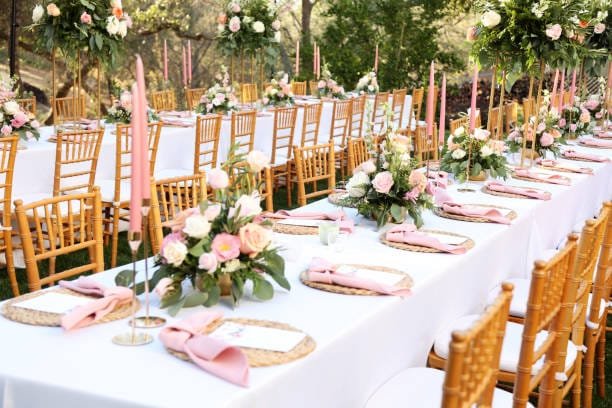
Choosing between a buffet and a plated dinner is one of the biggest decisions you’ll make when planning your small wedding reception. The right choice affects your catering cost, the flow of the evening, your guest experience, and even how many staff your vendor needs. Below you’ll find the pros and cons of each option, the real cost differences for small weddings, and how to estimate dinner for 50 guests so you can budget confidently.
This post contains affiliate links. As an affiliate, I earn a commission on purchases made through my links at no additional cost to you.
Buffet vs Plated Dinner for a Small Wedding Cost Overview

When it comes to small weddings, catering works differently from large events. Labor makes up a significant portion of your catering bill, which means the “buffet vs plated dinner small wedding cost” conversation often has a different outcome than you might expect.

For most small weddings, a buffet is usually the cheaper option, but a plated meal can still be surprisingly affordable because you’re feeding fewer guests and service timing is easier for the kitchen. The choice comes down to what you value most: a smooth and elevated guest experience or maximum variety and cost savings.
Read this blog on micro wedding venue ideas.
Read this blog on managing the stress of planning a DIY wedding.
Buffet Dinner for a Small Wedding
Pros of a Buffet Dinner

Buffets are popular for small weddings because they offer variety and flexibility. Guests can choose what they want and select portion sizes that suit their appetite. Buffets also help accommodate dietary restrictions without needing to customize every plate. Guests will be up and moving around, creating a more relaxed and casual atmosphere.
Read this blog on wedding guest list rules no one tells you about.
Another advantage is that caterers often charge less for the food portion of a buffet since entrées and sides can be prepared in larger batches.
Cons of a Buffet Dinner
Buffets usually require more food because guests tend to take larger portions when serving themselves, and buffets are an “all you can eat” situation. Caterers often recommend planning for 1.25 to 1.5 servings per guest, which increases food cost.
Buffet lines can also cause bottlenecks or slow down the reception if you have limited space. Be sure to have someone dismiss tables to go to the buffet, so that everyone does not get up at once and stand in line. Also, make sure the buffet is double-sided so that guests can go down both sides of the table if you have more than 20 people and there is enough space.
Some couples feel buffets look less formal compared to plated service.
Older guests may have trouble navigating a buffet line and balancing one or more plates.
With a buffet, all guests are touching the same serving utensils; therefore, it is not the most sanitary option.
WedSites is a free wedding website.
Buffet Cost for 50 Guests
If you’re estimating the wedding catering cost for a buffet for 50 guests, here is a typical range:
- Basic buffet: $25 to $40 per person
- Mid-range buffet with two entrées: $40 to $60 per person
- Higher-end buffet: $60 to $90 per person
For 50 guests, expect to spend approximately $2,000 to $3,000 on a simple buffet or $3,000 to $4,500 for a mid-range option.
Read this blog on the 10 problems engaged couples face and how to solve them.
Plated Dinner for a Small Wedding
Pros of a Plated Dinner
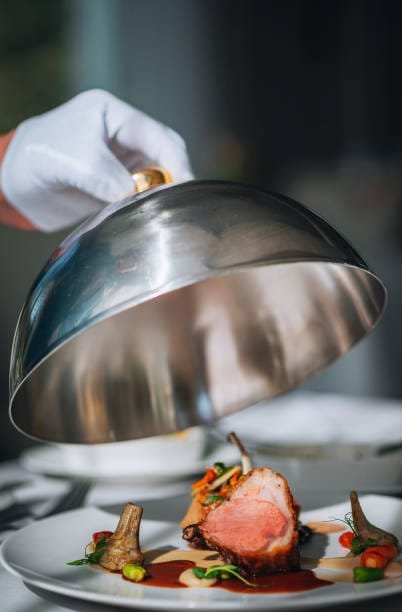
Plated meals give your guests a luxurious, restaurant-style experience, perfect for more intimate celebrations. With fewer guests, the caterer can focus on impressive presentation and perfectly timed service. A plated dinner also keeps the reception moving smoothly since guests stay seated and courses are served in a predictable order.
For couples asking, “Is a plated dinner cheaper for a small wedding?” the answer is sometimes yes. Because the kitchen pre-portions food, waste is minimal, and you only pay for exact servings.
AW Bridal has a great selection of dresses.
Cons of a Plated Dinner
Plated dinners require more servers since plates must be delivered and cleared. Labor can increase your overall catering bill.
If your caterer allows you to pick 2 different entrees for your guests to select from, you will need to keep track of what each guest ordered and create place cards with the entree choice for each guest. This is more work for you, but a nicer experience for your guests.
Your guests are not able to select the quantity of the food.
When planning a plated dinner, stick to menu options that are likely to appeal to everyone. Save adventurous or unusual dishes for other occasions.
Plated Dinner Cost for 50 Guests
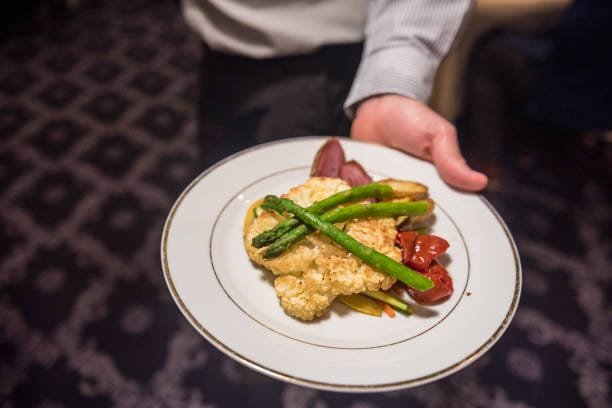
Here is typical pricing:
- Basic plated dinner: $40 to $60 per person
- Mid-range plated dinner: $60 to $90 per person
- High-end plated dinner with premium proteins: $90 to $150 per person
For 50 guests, expect around $2,500 to $4,500 for most plated menus. A gourmet plated menu will cost $5,000 or more.
Read this guide on selecting the food and drinks for your wedding.
How to Choose Between Buffet and Plated for a Small Wedding
If you want the most affordable option with menu flexibility, a buffet is likely your best choice. If you want a beautiful, elevated experience where service flows smoothly, a plated meal is worth the upgrade for a small guest count.
Think about your priorities:
- Guest experience
- Speed and flow of the reception
- Budget
- Kitchen or venue limitations
- Dietary restrictions
Still unsure? Ask your caterer for both quotes. For small weddings, the price difference is often smaller than couples expect.
Be honest with your caterer, tell them what your goal is, and ask which style better suits your desired outcome.
Read this blog on how to create your wedding guest list.
With MyRegistry.com, you can keep all of your wedding gift registries in one place.
How Much Food Do You Need for 50 Wedding Guests
Most couples find it tricky to estimate food quantities. Here is a simple guide for planning:
- Entrée: one serving per guest for plated meals or 1.25 to 1.5 servings per guest for buffets
- Side dishes: two sides per guest (buffet sides should be ordered at 1.5 servings per person)
- Salad: one serving per guest
- Bread or rolls: 60 to 70 pieces
- Dessert: one to one and a half servings per guest. Read this blog on dessert table ideas.
- Beverages: plan for three drinks per guest if alcohol is served, and four to five drinks for alcohol free receptions. Read this blog on 16 drink recipes for your wedding.
Frequently Asked Questions: Buffet vs Plated Wedding Reception
For small weddings, a plated dinner often feels more intimate and elegant. Caterers can focus on presentation and timing since they are preparing fewer plates. However, a buffet may be the better choice if you want menu variety or a more relaxed atmosphere. It ultimately depends on your priorities: elevated experience or flexibility and cost savings.
The most affordable way to serve dinner at a wedding is usually a simple buffet or a streamlined family-style meal. Keeping your menu limited, avoiding carving stations, and reducing labor are key ways to lower catering costs. Food trucks can also be budget-friendly if they offer a pre-set menu and cap labor expenses.
For 50 wedding guests, plan on 50 plated entrées or approximately 62 buffet entrée portions. You will need two sides for each guest, a salad for each guest, 60 to 70 bread rolls, and one to one and a half servings of dessert per person. If you are serving alcohol, guests may eat a little less, while dry weddings typically see higher food consumption. If you have a caterer, let them worry about the amount of food that will be needed,
Yes, many caterers require a minimum spend or a minimum guest count for small weddings. This usually ranges from $2,000 to $5,000, depending on the caterer and region. Even if your guest count is below the minimum, you can still book the caterer, but you will pay the minimum amount regardless of the final attendance.