Affiliate note: If you choose to purchase through a link on this page, I may receive a small commission at no extra cost to you. Thank you for supporting this site.
If you’ve just gotten engaged and feel overwhelmed by where to start, you’re not alone. Wedding planning can feel like a lot all at once. This step-by-step guide breaks the entire process into 12 clear, manageable steps so you can move forward with confidence and avoid common planning mistakes.
Planning a wedding can often feel overwhelming, especially for busy couples juggling multiple responsibilities. A comprehensive wedding checklist serves as a vital tool to streamline the planning process, ensuring that no important detail is overlooked. When you break it down into smaller tasks, it does not seem so intimidating. Here are twelve wedding planning essential items to include in your checklist:
1. Establish a Wedding Budget
Creating a wedding budget is one of the first steps in planning your celebration and helps you make confident, informed decisions along the way. Begin by discussing your overall spending comfort level and identifying whether anyone else is contributing financially. From there, outline your top priorities, such as the venue, photography, or food, and allocate a larger portion of the budget to the elements that matter most to you. Research typical costs in your area so you have realistic expectations, and track every estimate, contract, and payment in one place to stay organized. It is also smart to set aside a small contingency fund for unexpected expenses that may come up as plans evolve. A thoughtful and well-managed budget gives you clarity and control, allowing you to enjoy the planning process without unnecessary stress.

2. Select a Wedding Venue
Read this blog on selecting your wedding venue.
Selecting your wedding venue is one of the biggest decisions you will make, because it influences the style, budget, and overall flow of your celebration. Begin by identifying your priorities, such as location, guest capacity, and the type of atmosphere you want, whether it is a romantic garden, a modern loft, a rustic barn, or an elegant ballroom. Schedule tours so you can see each space in person and pay attention to important details like lighting, layout, accessibility, and available amenities. Ask about what is included in the rental fee, including chairs, tables, catering options, and time limits, so you understand the full cost. Choosing a venue that aligns with both your vision and your practical needs will give you a strong foundation for the rest of your wedding planning.
Click below to download my full wedding planning checklist.
If you do not have Amazon Prime, you can sign up for it here.
3. Create a Wedding Guest List
Creating your wedding guest list is one of the first, and most important, steps in the planning process. Start by outlining your total budget and estimated venue capacity, since these two factors usually determine how many guests you can realistically invite. From there, build your list in layers: immediate family, close relatives, your inner circle of friends, and finally acquaintances or optional invites. It’s helpful to create an A-list and B-list so you can prioritize must-have guests while staying within your numbers. Remember to communicate early with anyone contributing financially, as they may have people they hope to include. Above all, aim for a guest list that reflects the celebration you envision, whether that’s an intimate gathering or a large, lively event with everyone you love.
Read this blog on how to create your wedding guest list. It goes over the rules that no one tells you, but you need to know.
4. Book Key Wedding Vendors
Booking your wedding vendors is all about planning ahead and securing the professionals who can bring your vision to life. Start by prioritizing the vendors who typically book up the fastest, think venue, photographer, planner or coordinator, and caterer. Once those key players are locked in, move on to florists, entertainment, rentals, officiants, and any specialized services you’re dreaming of. Always review contracts carefully, ask about payment schedules, and confirm what’s included so there are no surprises later. Don’t be afraid to schedule consultations to ensure their style and personality align with yours. Securing your vendors early not only gives you the best selection but also sets a solid foundation for a smooth and stress-free planning experience.
The blog on selecting the perfect wedding venue will be helpful.
5. Choose Your Wedding Attire
Selecting your wedding attire is an exciting chance to express your personal style and feel your best on the big day. Whether you imagine yourself in a classic gown, a tailored suit, a jumpsuit, or something completely unique, focus on outfits that make you feel comfortable and confident. Consider your venue, season, and wedding theme to help guide your choices, but remember that there are no rules about what you should wear. Bring trusted friends or family to fittings if their support helps you, or shop solo if that feels easier. Above all, choose attire that reflects who you are and celebrates your wedding day in a way that feels authentic to you.
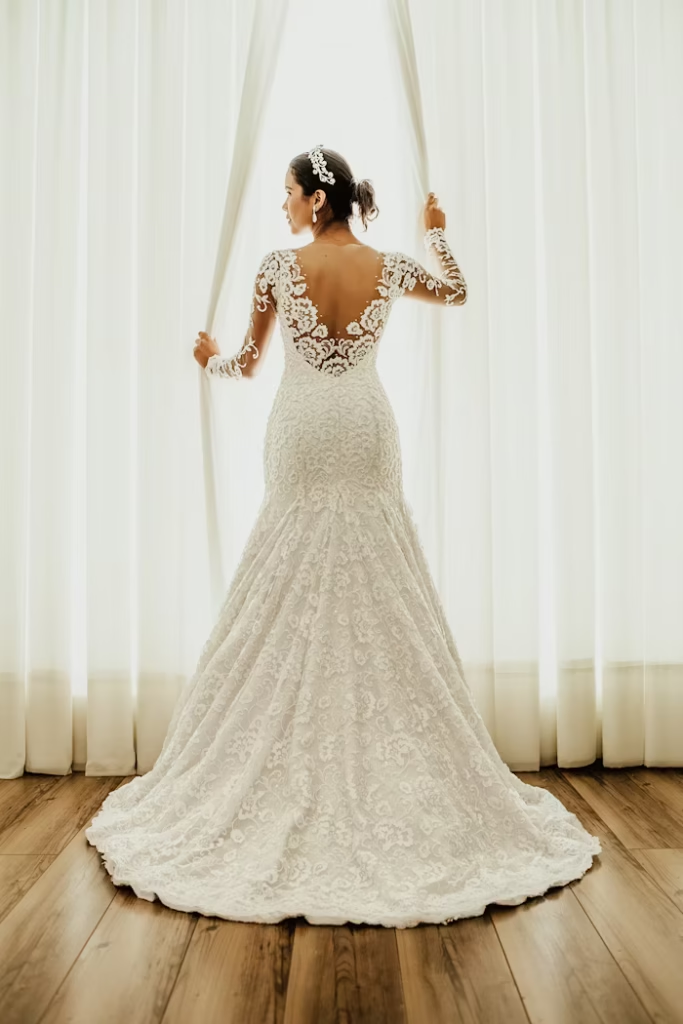
Read this blog on wedding dress codes
6. Design Wedding Invitations
Designing your wedding invitations is a chance to set the tone for your celebration and give guests a first glimpse of what to expect. Think about the style and mood of your wedding as you choose colors, fonts, and layout elements, and aim for a design that feels cohesive with your overall aesthetic. Make sure your wording is clear and easy to read, and include essential details such as the date, time, location, and RSVP information. If you’re working with a stationer or using an online template, review proofs carefully to check for spelling and formatting accuracy. Your invitations should feel like a reflection of your personality and your day, so take your time exploring options until you find a design that feels just right.
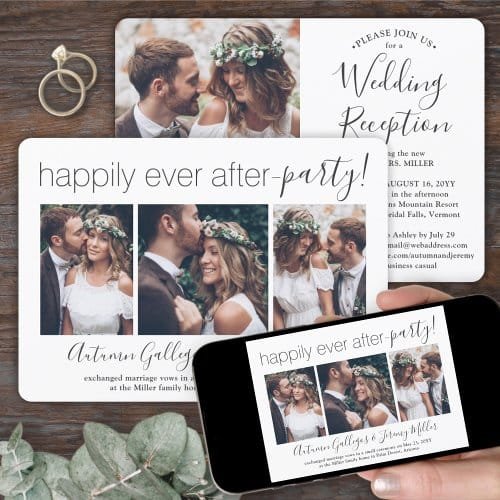
Read this blog on Wedding Etiquette
7. Plan the Wedding Ceremony Details
Planning your ceremony is one of the most meaningful parts of the wedding experience because it sets the emotional tone for the entire day. Start by thinking about the atmosphere you want to create, whether it is heartfelt and traditional, light and playful, or deeply personal and intimate. Choose an officiant who understands your vision and can guide you through the structure and legal requirements. Consider readings, music, and symbolic elements that reflect your relationship and values. It is also helpful to think through the logistics, such as the processional order, microphone needs, and any special accommodations for guests. Your ceremony should feel authentic to you as a couple and create a moment that you will remember long after the celebration ends.

Outline the structure of the ceremony, including readings, music, and officiant details. This will guide your rehearsal and keep everyone on the same page. Think about what is important to you as a couple. Read this blog on Rehearsal Dinners.
8. Coordinate Wedding Day Logistics
Address transportation arrangements for guests, the wedding party, and yourselves. Book hotel room blocks if needed. Ensure that logistics are seamless to avoid disruptions on the big day. Communicate to all involved, where they need to be and when.
9. Pick the Food and Drinks for Your Wedding
Decide on your catering style, menu, and any dietary restrictions. This aspect of planning also ties closely with your budget considerations. Meet with your cake baker and pick your wedding cake. This is the fun part! Read this guide to selecting your food and drinks for your wedding.
Picking the food and beverages for your wedding is an important part of creating a memorable guest experience and reflecting your style as a couple. Start by considering the atmosphere of your celebration and whether a plated dinner, buffet, food stations, or a casual cocktail style reception fits best. Think about your favorite flavors and any cultural or family traditions you might want to highlight, and be sure to offer options that accommodate common dietary needs. When tasting menus, pay attention to presentation, portion sizes, and how well the food suits the season and time of day. Do the same with beverages by deciding whether you want a full bar, signature cocktails, wine and beer, or a more curated drink menu. Selecting food and drinks that feel personal and enjoyable for both you and your guests helps create a warm and welcoming celebration.

Read this blog on food and beverages.
10. Establish a Wedding Timeline
A detailed timeline will keep everyone organized. Incorporate important dates like vendor payment due dates, fittings, and the rehearsal dinner. Also, plan your timeline for the day before the wedding as well as a detailed timeline for the wedding day (I have seen timelines down to the minute!) Sample timeline.
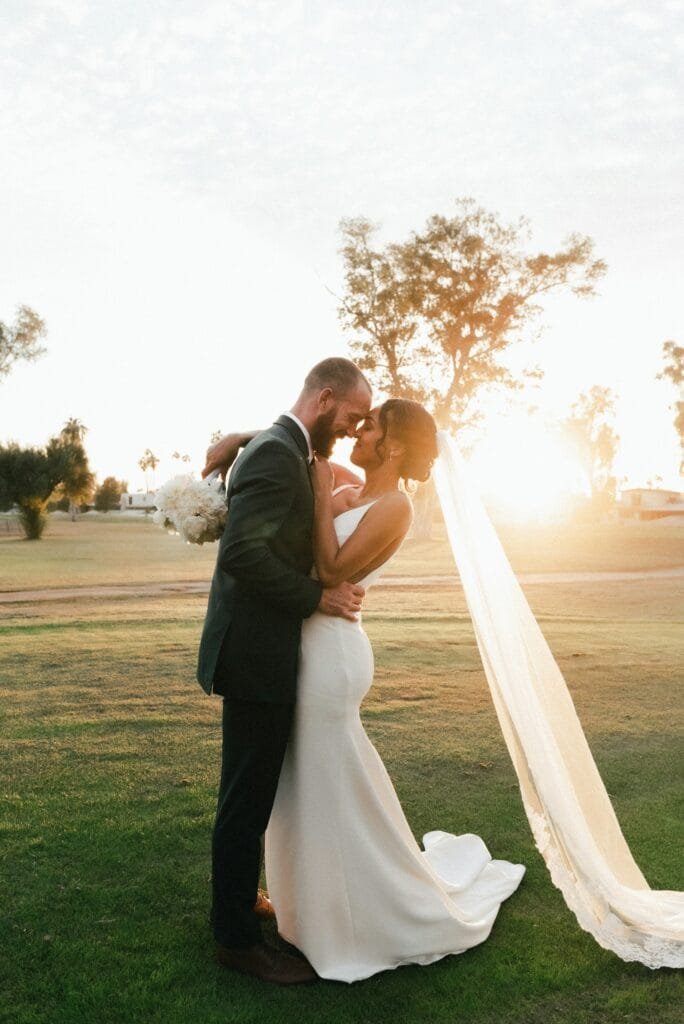
Creating the timeline for your wedding day helps ensure everything flows smoothly and allows you and your vendors to stay on the same page. Start by outlining the major moments you want to include, such as getting ready, the first look, the ceremony, cocktail hour, dinner, and dancing. Work backward from your ceremony time to determine when hair and makeup should begin and when vendors need to arrive. Build in extra buffer time for travel, photos, and any unexpected delays so the day feels relaxed rather than rushed. Share the final timeline with your planner, photographer, DJ, and key family members so everyone knows where they need to be and when. A clear, well-planned schedule helps you stay present and enjoy every moment of your celebration.
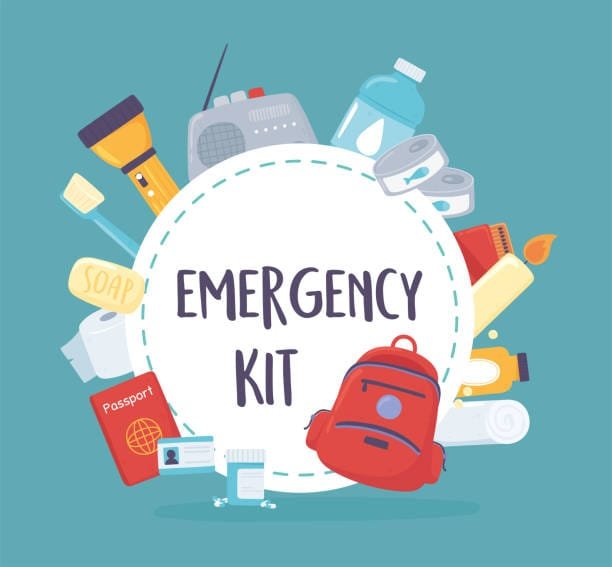
11. Create a Wedding Day Emergency Kit
Prepare a kit with items like sewing kits, stain removers, basic first aid, pain relievers, and other essentials to address any unforeseen issues on the day. Think of all the things that you may need and pack them. Better to have them and not need them than need them and not have them. This is a good job for your maid of honor or best man.
You may also like this blog on wedding day emergency kit essentials.
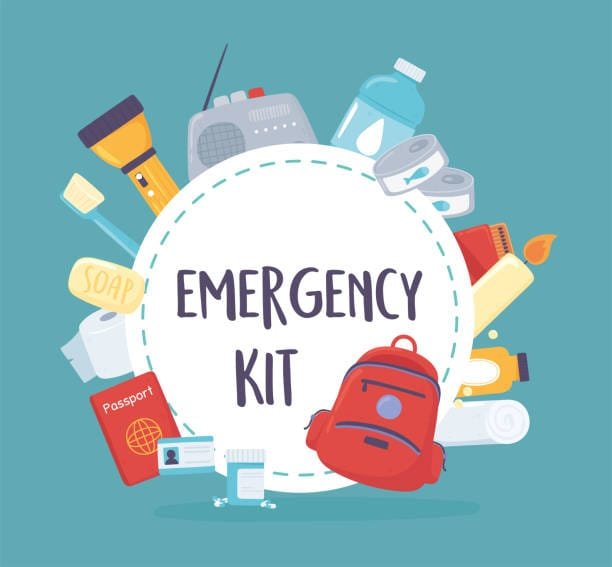
See all Wedding Kits on Amazon, Wedding day Emergency kit.
12. Plan for Post-Wedding Tasks
Consider details like thank-you notes, returns, and final payments, and clean up at the venue. Planning these can help ease the transition once the celebration ends.
By incorporating these twelve wedding planning steps and essential items into your wedding checklist, couples can remain organized and focused throughout the wedding planning process, significantly reducing stress as the big day approaches. Remember, wedding planning is not that hard. Have fun with it, enjoy the ride.
Here are the most frequently asked questions that I get asked as a wedding planner, by couples who are just starting their wedding planning journey.
Wedding Planning FAQ
The first step in wedding planning is deciding your priorities and setting a realistic budget. Before booking a venue or choosing a date, couples should talk about what matters most to them, such as guest count, location, or overall vibe. This helps every other planning decision fall into place and prevents overspending later.
Most couples should start planning their wedding 12 to 18 months in advance, especially if they want a specific venue or popular vendors. Shorter timelines are possible, but starting early gives you more choices, better pricing, and less stress throughout the process.
It’s always better to plan a wedding in a clear order rather than trying to do everything at once. Following a step-by-step wedding planning guide helps you focus on what truly needs to be done first and prevents decision fatigue. A structured approach makes the entire planning experience more manageable and enjoyable.
Follow me on Pinterest for more great ideas.