
Feeling overwhelmed planning your wedding? This step-by-step wedding planning timeline guides you through every phase, whether you have 12 months or just 6 months. Stay organized, reduce stress, and enjoy the wedding planning process with these wedding planning timelines.
This blog contains affiliate links. I earn a commission on purchases made through my links at no additional cost to you.
Why a Wedding Timeline Matters
Planning a wedding can feel overwhelming. One minute you’re excited, the next you’re wondering if you’re already behind. The truth is, most couples don’t need more advice; they need a clear wedding planning timeline that shows what to do, when to do it, and how everything fits together.

Be sure to visit Etsy for your wedding-related gifts and decor.
Etsy’s Guide to WeddingsWhether you’re planning a traditional 12-month engagement or a shorter 6-month engagement, having a structured plan makes all the difference. This guide breaks down the wedding planning process month by month so you can stay organized, reduce stress, and enjoy the planning journey.
For a detailed, step-by-step breakdown of every task, see our 12 Steps to Planning a Wedding.
Understanding Your Wedding Planning Timeline
Every wedding timeline looks a little different, but most follow the same core structure. The difference isn’t what you plan, it’s how quickly you move through each phase.
Downloadable Wedding Planning Checklist
How Timelines Differ by Engagement Length
- 12-month timeline: Gives you plenty of breathing room to research vendors, plan décor, and enjoy your engagement.
- 6-month timeline: Condenses the same steps into a shorter window, requiring faster decision-making but still covering all essential tasks.
For tips on planning the wedding ceremony.
For tips on planning the rehearsal of the ceremony.
Core Phases of Wedding Planning
This is your guide to wedding reception planning.
Most weddings follow three key phases:
- Foundation Decisions: Set your budget, create your guest list, choose your wedding style, and book your most important vendors.
- Midway Planning: Arrange décor, finalize your menu, hire additional vendors, and plan key details. This blog is the Ultimate Planning Guide for Food and Beverages for Your Wedding.
- Final Preparations: Confirm contracts, finalize the day-of timeline, and enjoy final dress fittings and rehearsals.
This phased approach ensures you stay on track, whether you have a year or just six months.
You will also like this blog on Creating Your Wedding Guest List, the Rules No One Tells You.
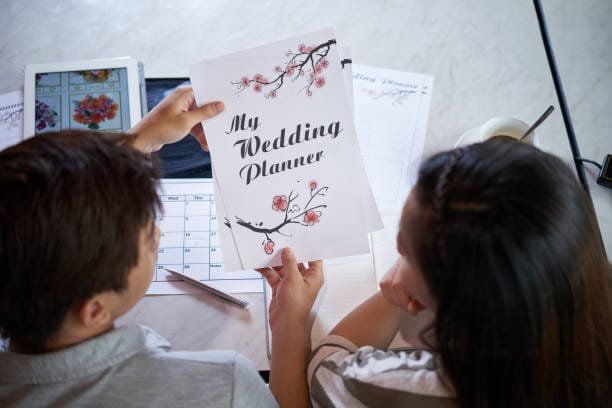
The 12-Month Wedding Timeline
This blog is all about how to set your wedding budget.
Months 12–9: Foundation Decisions
- Set your wedding budget and draft your guest list. See how to create your wedding budget.
- Decide on your wedding style and theme. Read How to Pick Your Wedging Theme.
- Book your venue and essential vendors (photographer, caterer, cake baker, florist). How to Pick the Perfect Wedding Venue.
- Optional: For tips on choosing the perfect venue, see How to Choose a Wedding Venue
Myregistry.com is for putting all of your wedding gift registries in one place. Check them out with the link below.

Months 8–6: Midway Planning
- Plan decor, flowers, and invitations DIY wedding decor ideas
- Schedule dress fittings and attire for the wedding party. Bridal party roles explained
- Finalize vendor contracts
Months 5–1: Final Preparations
- Send out invitations
- Schedule hair and makeup trials
- Confirm logistics with all vendors
- Finalize seating charts and day-of timeline. Seating chart mistakes to avoid.
For a complete month-by-month checklist, see our 12 Steps to Planning a Wedding.
The 6-Month Wedding Timeline

Months 6–4: Foundation Decisions
- Quickly set your budget and guest list
- Book your venue and top vendors
- Decide on your wedding style and theme
Months 3–2: Midway Planning
- Finalize decor, menu, and entertainment. This blog is the Ultimate Guide to Planning Your Wedding Food & Drinks. If you are planning a Summer Wedding, this is the Food & Beverage Guide for Summer Weddings.
- Send invitations and schedule dress fittings. This Guide on Modern Wedding Etiquette will help wth the invitations
- Confirm all vendor contracts

Month 1: Final Preparations
- Confirm vendor details
- Finalize seating chart and day-of timeline, see wedding day emergency kit
- Enjoy final pre-wedding celebrations, planning an engagement party, and planning an affordable bridal shower.
For a faster-paced checklist, see our How to Plan a Wedding in 6 Months guide.
Tips for Staying on Track
- Use a calendar or spreadsheet to track deadlines
- Communicate regularly with your vendors and the wedding party
- Prioritize high-impact decisions first
- Explore related posts: Budgeting for Your Wedding, Wedding Décor Ideas, Creating Your Guest List

Conclusion – Enjoy the Planning Process
Whether you’re planning a wedding over 12 months or only 6, having a clear wedding planning timeline keeps you organized and reduces stress. Remember, shorter timelines don’t mean skipping steps; they mean streamlining them efficiently.
For a full step-by-step resource, see our 12 Steps to Planning a Wedding, and for a condensed, fast-paced checklist, check out How to Plan a Wedding in 6 Months.
You will also want to read this blog on picking the items for your gift registry.
Have questions? Leave a comment below or use our contact form, and we’ll help you get back on track.
Don’t forget your wedding day emergency kit.
For the full guide on planning your wedding ceremony, read this blog. It includes a checklist and a diagram on who stands where.
Frequently Asked Questions About Wedding Planning Timelines:
Most couples start planning their wedding 12 months in advance, which allows more flexibility with venues, vendors, and budgets. That said, a wedding can absolutely be planned in 6 months or less with a clear timeline and faster decision-making.
Yes, a 6-month wedding planning timeline is completely realistic. The key difference is that decisions happen faster, and some steps overlap. You are not skipping important planning steps; you are simply streamlining the process.
The first steps in any wedding planning timeline are:
Setting a realistic budget
Creating an initial guest list
Choosing your wedding style and priorities
Booking your venue and key vendors
These foundation decisions shape everything else in the planning process.
No wedding planning timeline needs to be followed perfectly. Timelines are meant to be guides, not rules. Some couples book vendors earlier or later, depending on availability, location, and personal preferences.
The vendors that should be booked first include:
Wedding venue
Photographer
Planner and coordinator
Caterer-if not included with the venue
These vendors tend to book up quickly and often determine what other vendors are available.
Yes, many couples successfully plan weddings on their own using a structured timeline. However, even couples who plan everything themselves often benefit from a day-of or month-of coordinator to manage logistics and reduce stress during the wedding weekend.
Falling behind does not mean your wedding is off track. Prioritize the most important decisions first, adjust your timeline as needed, and remember that many details can be finalized closer to the wedding date than couples expect.
The biggest difference is pace, not content. Both timelines include the same core planning steps. A 12-month timeline allows more breathing room, while a 6-month timeline requires quicker decisions and earlier bookings.
Follow me on Pinterest for more great ideas.
When it is time to shop for wedding dresses, AW Bridal has an amazing selection at reasonable prices.